
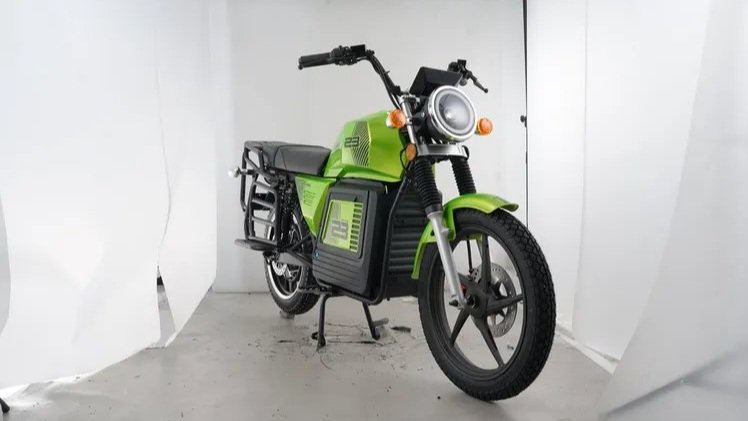

Rwanda has officially become the first country on the African continent to mandate universal battery-swapping interoperability for electric motorcycles. The regulatory milestone establishes a new framework for open electric mobility infrastructure across the region.
Under the new rules, an electric motorcycle rider can swap their bike’s battery at any swapping station, regardless of the specific brand or company that operates the facility.
The regulation, designated as Regulations No. 011/Energy/RURA/2026, was formally issued by the Rwanda Utilities Regulatory Authority (RURA). The directive requires that all electric motorcycles and battery-swapping stations in Rwanda be technically compatible, creating a standardized energy network.
Existing mobility operators in the country have been granted a two-year transitional period to align their hardware and software systems to comply with the new standards.
This historic legislation fundamentally alters the growing Rwandan electric motorcycle market in two major ways. First, it completely eliminates closed ecosystems, which historically kept riders locked into single-operator networks.
Previously, riders had to plan their daily routes around specific proprietary swap cabinets, but, under the new law, riders can seamlessly swap their batteries at any licensed station across the country.
Second, the new framework introduces strict quality controls to ensure high-quality service for all users. The regulations require swapping stations to maintain a ninety-seven percent operational uptime, and guarantee smart charging capabilities.
Additionally, the guidelines mandate that rider wait times must stay under twenty minutes, and all operators must offer non-discriminatory, transparent pricing structures to prevent market exploitation.
In neighboring Kenya, industry stakeholders are calling for similar regulatory measures to support the local transport sector, as regional integration becomes more crucial. Kenya's electric motorcycle market has experienced a massive surge over the last year, driven by private sector investment.
In 2025, electric motorcycles accounted for more than fifteen percent of all new motorcycle registrations in Kenya, highlighting the rapid pace of grassroots adoption.
Despite this impressive growth, Kenyan riders face severe bottlenecks due to fragmented charging networks and proprietary barriers.
The greatest challenge that a boda boda rider faces when owning an electric motorcycle in Kenya is the excessive downtime at swapping stations, and the uneven distribution of operator-specific hubs. This fragmentation restricts the daily operating range of riders, and limits their income potential on a daily basis.
Implementing a universal interoperability standard in Kenya would go a long way in resolving these daily challenges. By reducing downtime and allowing riders to utilize any nearby station, the policy would boost daily earnings, and encourage more riders to transition to electric motorcycles.
Rwanda’s bold initiative provides a clear regulatory blueprint, which could help harmonize green infrastructure development across East Africa.
The transition in Rwanda is already well underway, although thousands of electric motorcycles are already on the roads of Kigali. Prior to this regulation, companies operating in the country developed separate, incompatible battery systems to protect their market share. By breaking down these walled gardens, the regulatory body aims to create a highly efficient, unified network, which supports the country's ambitious green transport goals. I
Ifsuccessful, this unified infrastructure model will prove that public policy can drive commercial viability, paving the way for sustainable mass transit across sub-Saharan Africa.
Comments (0)
Leave a Comment
No comments yet. Be the first to share your thoughts!