
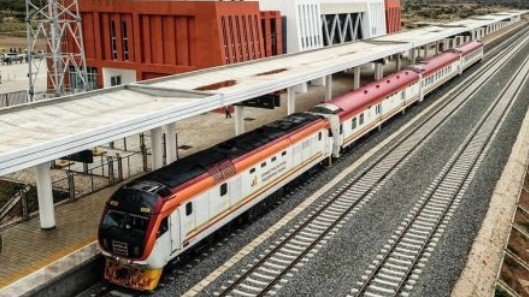

Uganda has raised Sh62 billion through a bond issue to finance the construction of its Standard Gauge Railway (SGR), increasing pressure on Kenya to speed up completion of its own railway line from Naivasha to Malaba. The developments mark a renewed push by both countries to improve regional transport and trade links across East Africa.
The Ugandan government recently confirmed that the bond attracted strong interest from investors, giving Kampala additional funding to continue work on the railway project. Officials said the line is expected to improve cargo movement between Uganda and the Kenyan coast while lowering transport costs for businesses.
Uganda’s SGR project is designed to connect with Kenya’s railway network, creating a continuous modern rail corridor from the port of Mombasa through Nairobi and into Uganda. The line is also expected to support regional trade with neighbouring countries including Rwanda, South Sudan and the Democratic Republic of Congo.
Kenya has already completed the railway section from Mombasa to Naivasha at a cost of hundreds of billions of shillings. However, the extension from Naivasha to Malaba has faced delays linked to financing, land acquisition and changing government priorities.
The Kenyan government now plans to raise about Sh390 billion to complete the remaining section of the railway and ensure connection with Uganda’s network. Officials believe the link could strengthen Kenya’s role as the main trade corridor for the region and protect cargo traffic through the port of Mombasa.
Transport experts say Uganda’s progress could influence Kenya’s urgency in securing funding and beginning construction. If Uganda advances faster than expected, pressure may grow on Kenya to avoid becoming a weak link in the regional railway network.
The Standard Gauge Railway remains one of the largest infrastructure projects undertaken in East Africa in recent years. Supporters argue that the railway can reduce pressure on roads, cut transport time and improve efficiency in cargo handling across borders.
Businesses in both countries have continued to call for improved transport systems to lower the cost of moving goods. Many transporters currently rely heavily on trucks, which contribute to road congestion, higher fuel costs and frequent maintenance expenses on major highways.
Kenya’s existing SGR line between Mombasa and Naivasha has mainly been used for cargo and passenger transport. Government data shows that millions of tonnes of cargo have been moved through the railway since operations began, although questions over profitability and debt repayment continue to emerge.
Some economists have raised concerns about the financial burden associated with large infrastructure borrowing. They argue that governments must ensure railway projects generate enough economic activity and cargo demand to justify the costs involved.
Others maintain that regional infrastructure projects should be viewed as long-term investments rather than short-term commercial ventures. They say efficient transport systems can stimulate industrial growth, attract investors and improve regional competitiveness over time.
Uganda’s decision to raise funds through a domestic bond has also attracted attention from financial analysts. The approach allows the government to tap local investors while reducing immediate dependence on external borrowing.
Kenya is expected to explore a mix of funding options for the Naivasha-Malaba section, including public borrowing, partnerships and possible support from international lenders. Discussions around financing are likely to remain central as the government balances infrastructure expansion with debt management concerns.
Regional leaders have repeatedly supported the idea of an integrated railway network linking East African countries. The system is expected to improve trade under the East African Community framework and strengthen movement of goods across borders.
Construction timelines for both projects remain closely watched by businesses, investors and transport operators. The success of the railway connection could influence trade patterns, logistics investments and economic activity within the region for many years.
Comments (0)
Leave a Comment
No comments yet. Be the first to share your thoughts!