

The National Treasury has unveiled a new five-year plan to shield the country from severe climate shocks and fiscal instability caused by natural disasters.
The Disaster Risk Financing (DRF) Strategy 2026–2030 outlines a shift toward risk preparedness, seeking to reduce the heavy reliance on emergency post-disaster funding. According to the document, drought remains the primary threat to national fiscal stability.
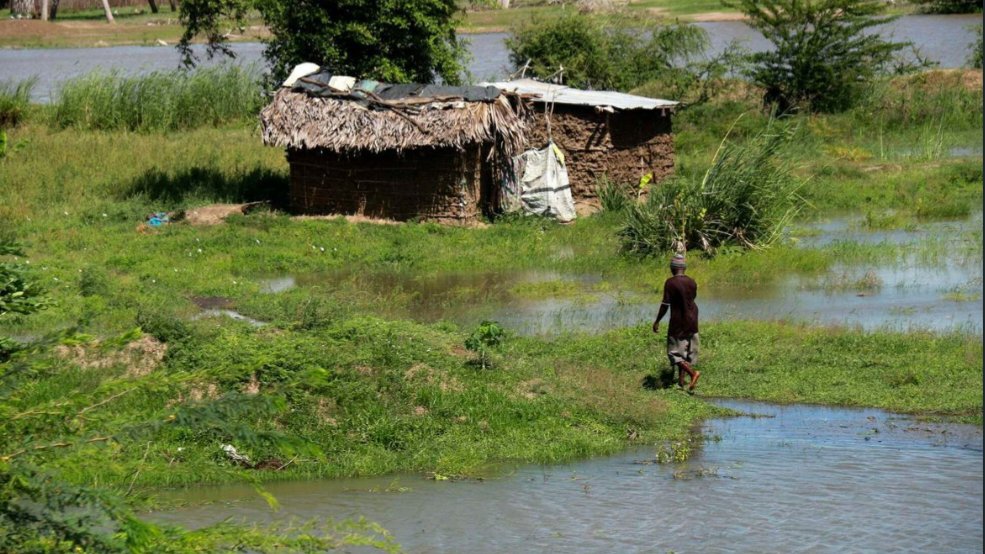
Recent climate events highlight the urgency of these financial reforms. The National Treasury reports that the March-April-May floods of 2024 affected about 410,000 people, resulted in 315 deaths, and caused an estimated Sh187 billion in economic damage.
Unpredictable weather patterns have placed severe strain on domestic infrastructure, forcing national and county governments to reallocate development budgets toward emergency response. This strategy introduces pre-arranged funding mechanisms to help local authorities handle disasters, although without disrupting infrastructure investments.
"The true test of resilience is not how we respond after a disaster occurs, but how well we prepare before it happens," said Ronald Inyangala, Director of Financial and Sectoral Affairs at the National Treasury.
He added that the framework provides a robust setup to anticipate, absorb, and recover from disasters, when protecting vulnerable populations.
The strategy expands on the previous DRF policy that operated from 2018 to 2022. The earlier iteration focused on risk retention and insurance, but the updated version places strong emphasis on direct investments in disaster risk reduction.
Technical design support came from the United Nations Office for Disaster Risk Reduction (UNDRR), which provided specific risk tools. The agency helped create a Disaster Risk Reduction (DRR) and Climate Change Budget Tagging system to help track government spending.
Extensive stakeholder consultations occurred throughout 2025 and 2026 to ensure ownership across sectors. Civil society organisations, private firms, and construction practitioners participated in reviewing the strategy to align it with sector realities.
The framework complements the Disaster Risk Management (DRM) Strategy 2025–2030, creating a long-term roadmap for resilience, if implemented correctly across counties. It operates alongside recent legislative measures signed into law by President William Ruto.
In May, President Ruto signed the National Disaster Risk Management Act 2026, which establishes the National Disaster Risk Management Authority (NDRMA). This entity coordinates early warnings, responses, and resource flows.
County governments will manage local emergency funds through County Disaster Risk Management Committees, ensuring that funds reach affected communities efficiently. The Division of Revenue Act, 2026 further clarifies the sharing of resources between both levels of government.
Amjad Abbashar, who serves as Chief of the UNDRR Regional Office for Africa, emphasized that stronger financing must be backed by precise risk data and analytics to guide planning.
International development partners including the European Union, the World Bank Group, and the World Food Programme provided supporting resources for the strategy development. The framework remains active until December 2030, with a mid-term evaluation scheduled for 2029.
Implementing these pre-arranged instruments allows the 47 counties to safeguard critical public infrastructure, such as roads, bridges, and water supply networks, although these systems frequently suffer damage during extreme climate events.
Communities living within the Arid and Semi-Arid Lands (ASALs) face the highest vulnerability to prolonged dry spells, making localized financial interventions necessary, if safety nets are to hold.
By prioritizing prevention and risk-informed planning, the National Treasury aims to create a predictable fiscal environment where unexpected infrastructural damage does not halt progress, but rather triggers immediate pre-allocated resources.
Comments (0)
Leave a Comment
No comments yet. Be the first to share your thoughts!