
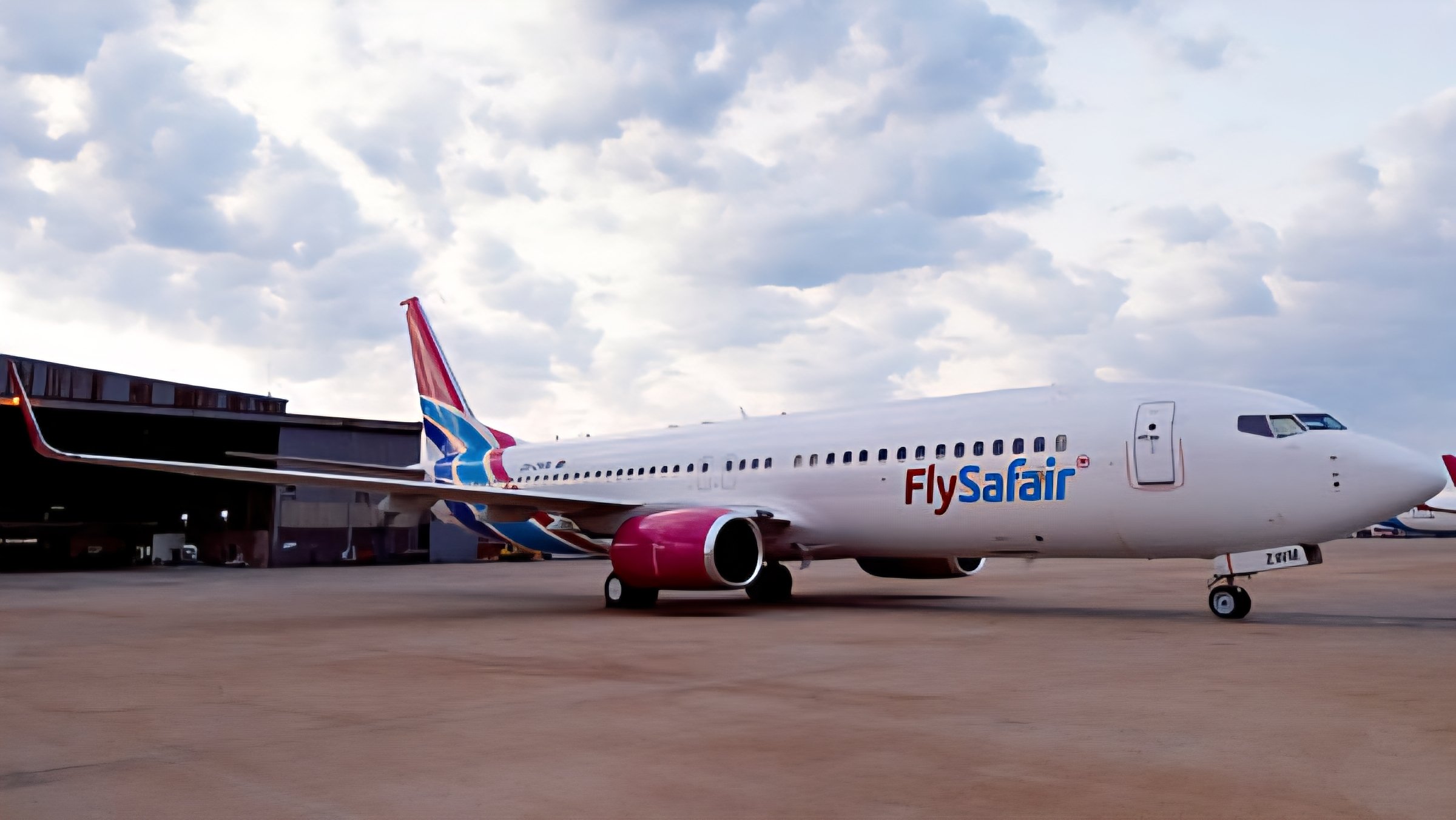

A report by Bloomberg highlights deep structural challenges facing aviation infrastructure across Africa, where high costs and poor connectivity continue to stifle regional integration.
Despite the continent hosting nearly one-fifth of the global population, the International Air Transport Association (IATA) data shows Africa accounts for just two percent of global air traffic.
The existing intra-African routes are frequently prohibitively expensive, operationally complicated, and taxing for travelers, who often have no alternative options available.
For instance, a short 45-minute flight from Ghana to neighboring Lagos can cost up to 600 dollars, which strains businesses operating within the West African region.
Traveling from Ghana to Dakar, Senegal, requires a full day of travel, including a four-hour layover in Abidjan, Côte d'Ivoire, due to a lack of direct connections.
In contrast, a roundtrip fare to Casablanca from Ghana costs about 1,800 dollars, but discount carriers reach the same Moroccan city from Spain for as little as 57 dollars.
These exorbitant prices do not factor in frequent flight delays, alongside breakdowns of small aircraft of varying quality, which further complicates regional transit.
For Ghanaian Yaw Boateng, a partner at McKinsey & Company (MCK) who travels weekly across African borders, the inability to fly easily between cities blocks economic opportunities.
He noted that the current infrastructure crisis prevents the realization of the political, cultural, and economic integration once envisioned by postcolonial founders of the continent.
In East Africa, leaders like President William Ruto have advocated for open skies and a visa-free continent, but protectionist policies among nations continue to stall real progress.
The Single African Air Transport Market (SAATM) was launched to deregulate air services, but many governments hesitate to open their skies to protect struggling national carriers.
Airlines like Kenya Airways (KQ) face immense pressure from high jet fuel taxes, landing fees, and passenger departure charges levied by regional hub authorities across the entire continent.
Operations at key transport hubs like Jomo Kenyatta International Airport (JKIA) reflect the wider continental issue, where high infrastructure maintenance costs are passed down directly to passengers.
The African Airlines Association (AFRAA) has repeatedly called for a significant reduction in airport taxes, if the continent wants to make regional travel affordable for local citizens.
Without urgent air transport reforms, African businesses will remain isolated, while foreign international carriers dominate long-haul traffic coming into major regional hubs.
Experts argue that upgrading runways, improving air traffic control systems, and harmonizing safety regulations are vital, if air transport is to become a true economic driver.
The lack of competitive low-cost carriers within the continent means that flying between neighboring African nations remains a luxury that few small-scale traders can afford.
While African states continue to invest in expanding physical airport terminals, the underlying regulatory environment remains the biggest hurdle to affordable intra-African flight routes.
Resolving these airspace bottlenecks is essential for the success of the African Continental Free Trade Area (AfCFTA), which relies heavily on the rapid movement of people.
Until governments prioritize completely open borders and unified aviation frameworks, the cost of flying across Africa will remain an expensive barrier to true pan-African unity.
Comments (0)
Leave a Comment
No comments yet. Be the first to share your thoughts!