

A version of this article appeared on nation.africa.
Kenya’s emergency health infrastructure is facing a severe logistics crisis, with vital transport vehicles routinely grounded across the country.
Constitutional guarantees and clear health sector policies explicitly outline emergency transport mandates for public facilities.
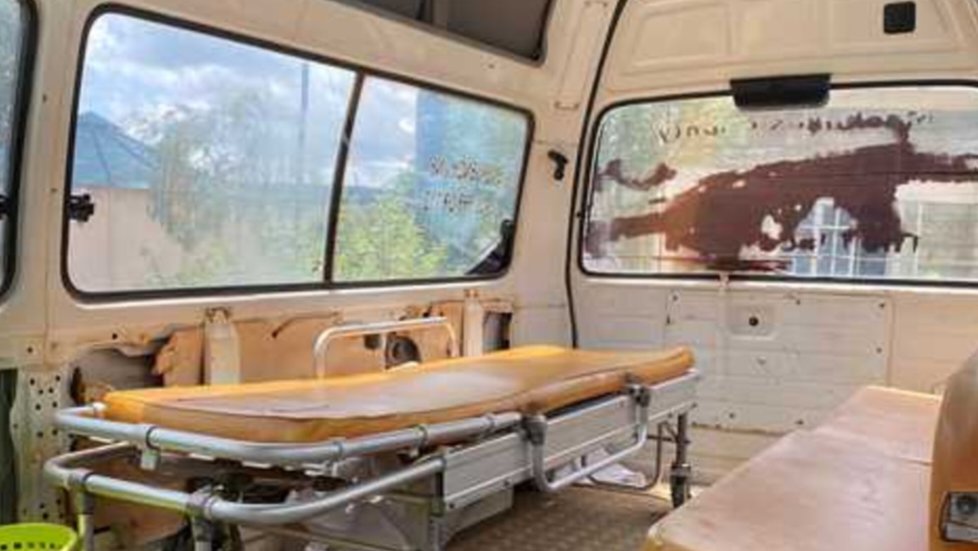
Despite these frameworks, many lifesaving vehicles remain entirely immobilised due to basic operational oversights.
A standard investigation into local healthcare logistics reveals that flat tyres, expired insurance certificates, and empty fuel tanks frequently stall these critical assets.
The structural failure directly impacts the national patient transfer network, leaving vulnerable individuals entirely cut off from specialized medical care.
Expectant mothers face the highest risk, frequently navigating a broken patient transfer chain when complications arise.
When regional clinics cannot handle complex deliveries, the lack of working transport prevents immediate escalation to major hospitals.
Medical logicians point to systemic funding delays at the county level as the primary driver behind the lack of vehicle upkeep.
Without consistent operational budgets, hospital administrators cannot purchase fuel, fix mechanical breakdowns, or keep vehicle insurance active.
The Ministry of Health (MOH) has previously mandated that emergency fleet management be prioritised by regional departments.
However, enforcement mechanisms remain weak, leaving individual public hospitals to manage depleted mechanical fleets with minimal oversight.
For many rural communities, a parked vehicle at a local health centre means long, dangerous delays during critical medical emergencies.
The image of a dusty ambulance parked outside a public facility has become a common indicator of these systemic inefficiencies.
Compounding the problem is the absence of an integrated dispatch system capable of tracking active emergency vehicles in real time.
As a result, an emergency call may be placed to a station where the only available vehicle lacks fuel or working parts.
Fixing this emergency transport bottleneck will require strict budgetary ring-fencing, alongside a robust maintenance framework across all counties.
Comments (0)
Leave a Comment
No comments yet. Be the first to share your thoughts!