

A wave of unrest across secondary schools has prompted the government to intervene in how internal assessments are managed. School administrators must now prioritise dialogue over coercion, with explicit instructions to delay examinations if learners show signs of severe anxiety.
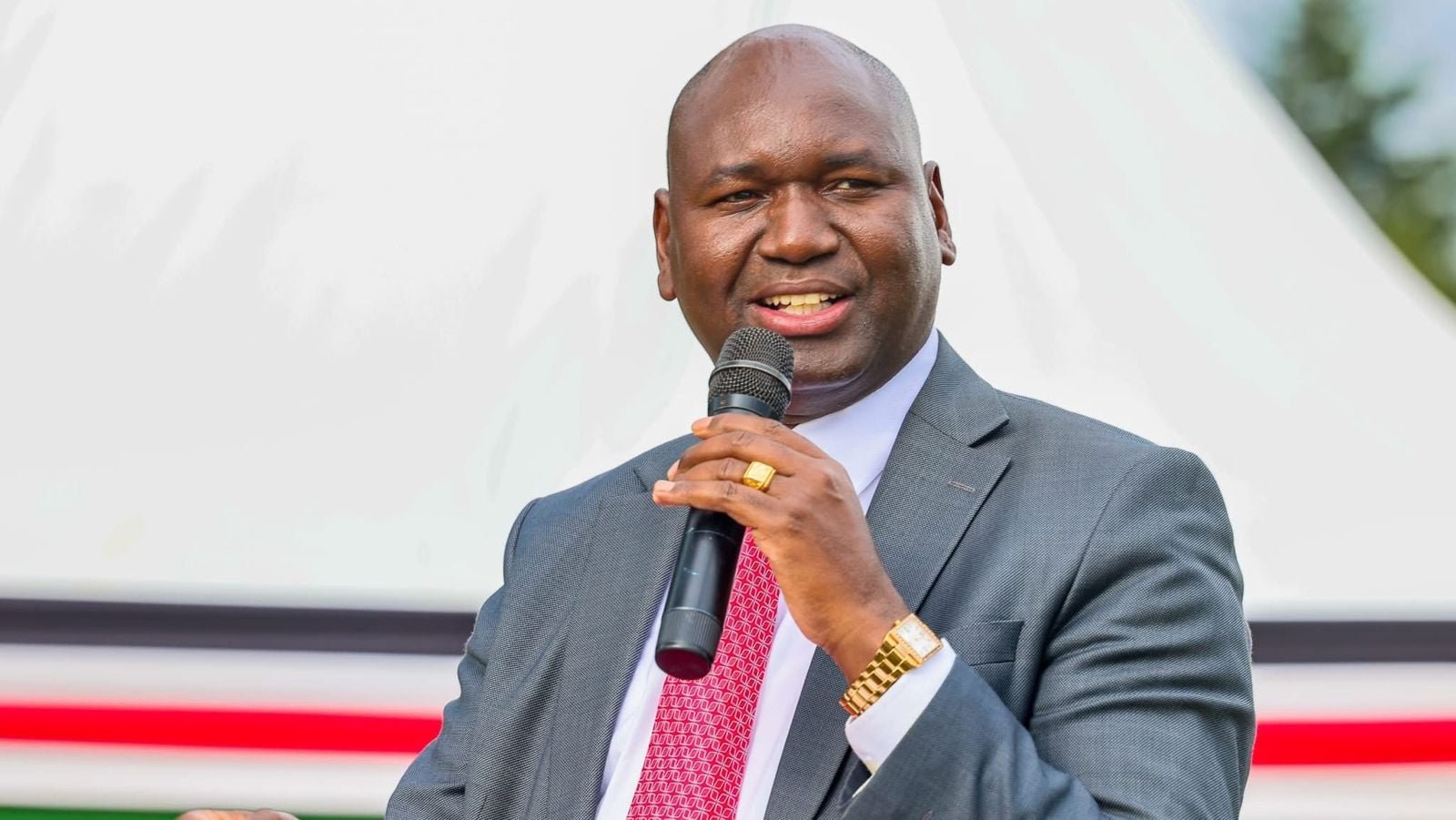
State Department for Basic Education Principal Secretary (PS) Julius Bitok issued the directive following a string of disturbances tied to academic pressure. The push to complete regional tests has been identified as a primary trigger for recent incidents, including cases of arson and property damage.
Speaking on the shifting dynamics in institutions, President Ruto’s administration has emphasized the need for modern management approaches. The old model of running schools with an iron fist no longer works, because today's learners are highly sensitive about their rights.
Data from the Ministry of Education (MoE) indicates that the disturbances are localized, affecting less than one per cent of institutions countrywide. Out of roughly 9,500 schools, approximately 80 have experienced incidents of student indiscipline over the past three weeks.
Because learning continues normally in 99.2 per cent of schools, the government has rejected demands for an early second-term midterm break. The ministry remains firm that the official academic calendar will not be altered to accommodate disturbances in a small minority of facilities.
Instead, the second-term midterm break will proceed as scheduled from June 24 to June 28. Officials maintain that closing schools prematurely would disrupt the learning calendar, though individual Boards of Management (BoM) must step up internal risk management.
To enforce safety compliance, the state has initiated a intensive ten-day national audit of all boarding school facilities. This exercise will review infrastructure standards, emergency preparedness, and institutional response mechanisms to secure learning environments.
The inspectorate department has received a significant boost to ensure these safety audits are executed thoroughly. The ministry has deployed 400 additional quality assurance officers, raising the total number of active field inspectors across the country to 1,000.
These officers are tasked with checking compliance levels, but the primary preventative measure remains structural dialogue within the schools. Administrators are expected to strengthen student leadership structures, guidance, and counselling programmes to catch grievances early.
Failing to listen to students introduces unnecessary structural risks to public investments. It is far more prudent for a school head to postpone a continuous assessment test or a county mock, than to wake up to a burnt-down staffroom or dormitory.
Comments (0)
Leave a Comment
No comments yet. Be the first to share your thoughts!