
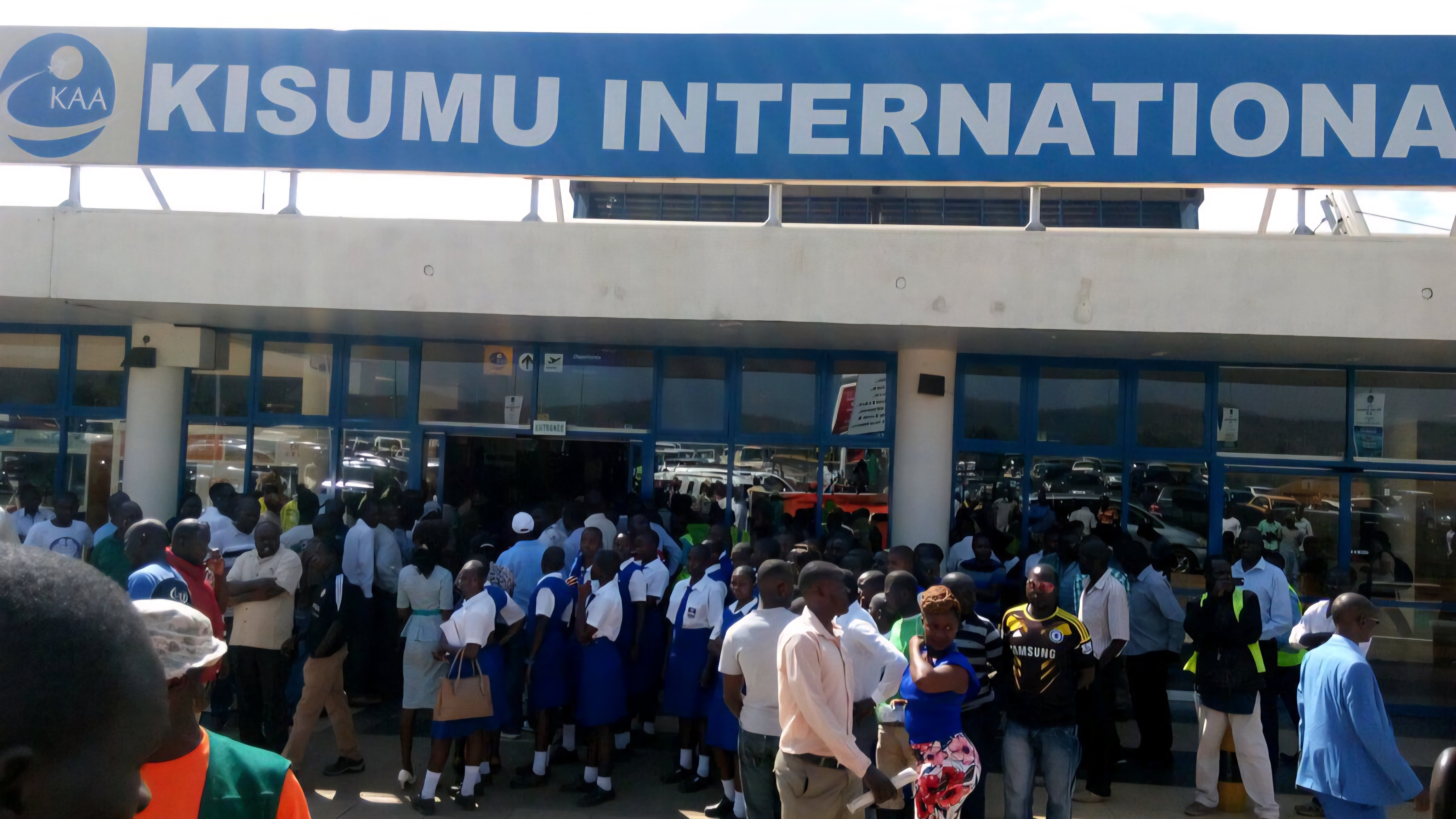

Flight operations at Kisumu Airport came to a virtual standstill on Monday morning as personnel from the Kenya Civil Aviation Authority began a coordinated go-slow strike. The industrial action, which has left hundreds of passengers waiting in terminals for hours, follows the expiration of a seven-day strike notice issued by the Kenya Aviation Workers Union.
Among those caught in the disruption was Kakamega Senator Boni Khalwale, who reported being stuck at the facility since the early morning hours. The Senator confirmed that the industrial action by the KCAA has effectively paralyzed departures, leaving travelers without clear timelines for when flights might resume. This move by aviation staff comes despite a recent court order intended to halt such industrial measures until a formal hearing scheduled for later this month.
The core of the dispute centers on the failure of the KCAA to conclude a collective bargaining agreement that has remained in limbo for over a decade. Union representatives argue that their members have not seen a salary review in fifteen years, leading to a breakdown in trust between the workforce and the authority. Beyond wage concerns, the union is pushing for the conversion of long-term contract employees to permanent and pensionable status, a move they claim is necessary for the stability of Kenya's aviation infrastructure.
At Kisumu Airport, the impact was immediate. While the facility recently saw improvements to its operational capacity, including a modernized control tower, the lack of personnel to man these critical systems has rendered the infrastructure unusable for scheduled departures. Travelers reported waiting on the tarmac and in departure lounges without communication from airline representatives or airport management.
The KCAA, which serves as the primary regulator and provider of air navigation services in the country, had previously assured the public that operations would remain normal. However, the ground reality on Monday suggests a significant disconnect between official statements and the actual availability of air traffic control and ground support services. The union has maintained that the strike is a last-resort measure after years of failed dialogue.
This disruption poses a significant challenge to the regional economy and the tourism sector, which relies heavily on the reliability of domestic flight schedules. Kisumu Airport is a vital hub for Western Kenya, and prolonged delays threaten the movement of business travelers and essential services. As the day progressed, more flights were added to the list of technical cancellations and operational delays, with no immediate sign of a resolution between the union and the Ministry of Labour.
Government officials have yet to issue a formal response to the specific situation in Kisumu, though the Ministry of Transport has previously called for restraint. For now, the airspace remains technically open, but the go-slow ensures that the flow of traffic is restricted to a trickle. Passengers are advised to check with their respective airlines before traveling to the airport, as the backlog of delayed flights is expected to affect schedules well into the week.
Comments (0)
Leave a Comment
No comments yet. Be the first to share your thoughts!