
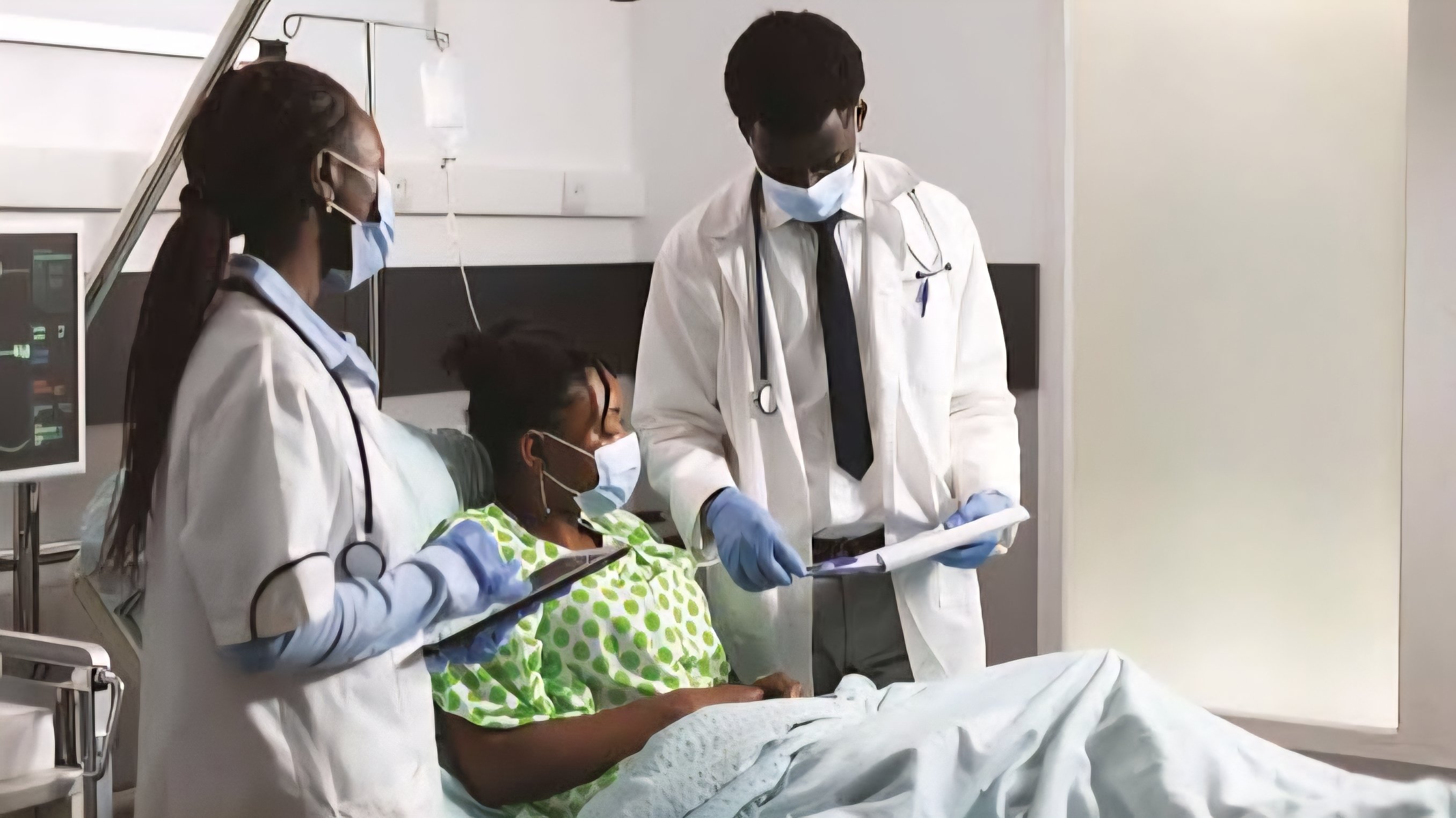

Kenya is currently grappling with a healthcare crisis that is as much about bricks, mortar, and machinery as it is about medicine. While the national conversation often focuses on disease outbreaks, the underlying reality is that the country's medical infrastructure is struggling to support the needs of its population. From aging facilities to a chronic lack of essential diagnostic equipment, the physical framework of the healthcare system is showing signs of severe distress.
The current state of public hospitals reveals a stark disparity between policy ambitions and the reality on the ground. In many counties, facilities that were designed to serve a fraction of the current population have not seen significant expansion or modernization in decades. This overcrowding leads to more than just discomfort, it creates environments where infection control is difficult and where the delivery of emergency care is frequently delayed.
Equipment maintenance remains a critical bottleneck. Throughout the country, multi-million shilling diagnostic machines, including CT scanners and MRI units, often sit idle due to a lack of spare parts or specialized technicians. When these tools are out of commission, patients are forced to seek services in the private sector, which many cannot afford, or travel long distances to the few functional national referral centers. This logistics hurdle often means the difference between early intervention and terminal outcomes.
The infrastructure deficit extends to basic utilities. Reliable electricity and water supply are not guaranteed in many rural health centers. Without stable power, cold-chain storage for vaccines and certain medications is compromised. Furthermore, the lack of modern surgical theaters in many sub-county hospitals means that even routine procedures require transfers, adding further strain to an already stretched ambulance and transport network.
While the government has made attempts to modernize through Managed Equipment Services (MES), the program has faced scrutiny regarding its cost-effectiveness and whether the infrastructure in place was ready to host such high-tech kits. In several instances, specialized equipment was delivered to hospitals that lacked the necessary electrical wiring or the specialized medical staff required to operate them. This mismatch between procurement and site readiness has led to significant wastage of public funds.
Human resource infrastructure is also under pressure. The ratio of doctors and nurses to patients remains well below the recommendations set by the World Health Organization. This shortage is exacerbated by the fact that many trained professionals are concentrated in urban hubs like Nairobi, leaving rural facilities understaffed. The physical working conditions in these remote areas often discourage staff retention, creating a cycle of neglect that impacts the poorest citizens the most.
Funding remains the primary hurdle for infrastructure development. Although healthcare is a devolved function, many county governments struggle to allocate sufficient budgets for capital projects. Much of the available funding is consumed by recurrent expenditures such as salaries, leaving little for the construction of new wards or the upgrading of existing laboratories.
The shift from the National Hospital Insurance Fund (NHIF) to the Social Health Authority (SHA) was intended to streamline funding, but the transition period has introduced new uncertainties. Many hospitals have reported delays in reimbursements, which directly impacts their ability to maintain facility standards and purchase essential medical supplies. If the financial plumbing of the system is blocked, the physical infrastructure cannot function.
Addressing what is killing Kenyans requires a shift in focus toward long-term structural investment. Building a resilient healthcare system is not just about hiring more staff, it is about ensuring that those staff have the tools and the environment necessary to save lives. Without a concerted effort to bridge the infrastructure gap, the goal of Universal Health Coverage will remain an elusive target rather than a reality for the average citizen.
Comments (0)
Leave a Comment
No comments yet. Be the first to share your thoughts!