
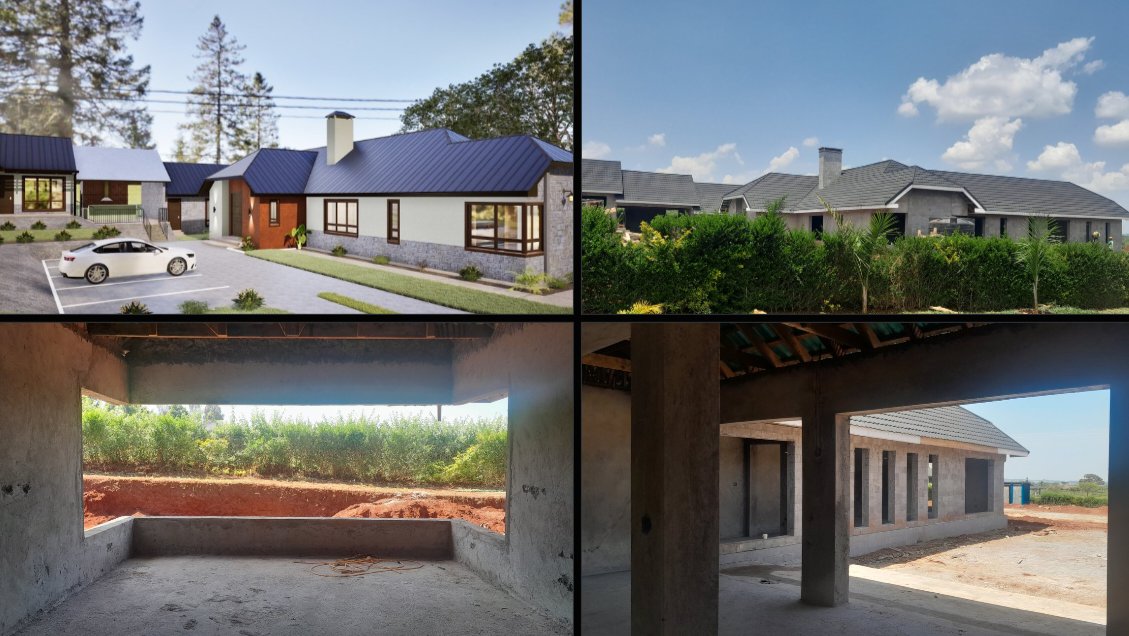

Sustainable construction practices are increasingly shaping residential developments, particularly for rural farmhouses designed to operate off grid or with minimal environmental impact.
Architect Prof. Alfred Omenya highlighted several core design principles essential for developing eco-friendly rural residences. These measures focus on energy efficiency, resource conservation, and building longevity.
Key features outlined for sustainable farmhouse construction include:
* Daylight utilisation to maximize interior lighting naturally
* Natural ventilation systems to regulate interior airflow
* Passive strategies to ensure thermal comfort year-round
* Greening initiatives and integration of organic gardens
* Rainwater harvesting systems for sustainable water storage
* On-site solar power generation to reduce reliance on grid electricity
* Grey water recycling for irrigation and non-potable uses
* Inside-outside spatial relationships to blend living spaces with nature
* Low-maintenance external stone walls designed for long-term structural durability
Incorporating daylighting and passive airflow helps reduce overall operational energy consumption. Incorporating natural elements directly into structural planning allows homeowners to lower long-term maintenance overheads while improving indoor environmental quality.
On-site resource management remains a central component of sustainable residential building, particularly regarding water and power security. Rainwater harvesting combined with grey water recycling creates an efficient dual-use water system suitable for farming communities.
Similarly, deploying solar energy infrastructure ensures reliable electricity for off-grid and semi-rural locations. The use of zero-maintenance external stone walls provides necessary structural resilience against harsh weather conditions without requiring frequent chemical treatments or regular painting.
These green building principles reflect a broader trend within the architectural sector toward self-sustaining residential structures.
By prioritizing natural ventilation, locally suited materials, and renewable power, modern farmhouse designs demonstrate how regional construction can align direct functionality with long-term environmental stewardship.
Comments (0)
Leave a Comment
No comments yet. Be the first to share your thoughts!