

A version of this article appeared on Dezeen.
The prominent architectural publication has officially compiled seven of the most famous properties designed by Antoni Gaudí in Barcelona. All selected structural designs are currently inscribed on the United Nations Educational, Scientific and Cultural Organization (UNESCO) World Heritage list.
The comprehensive retrospective directly coincides with the historic centenary of the death of the legendary Catalan architect.
He passed away unexpectedly in 1926.
Among the prominent listed works is Casa Batlló, which is known locally as the House of Bones due to its structural pillars.
The six-storey residential building features a highly sculptural exterior covered in broken-glass fragments, vibrant ceramic mosaics, and a prominent tile roof.
This unique roof resembles the scaly back of a giant reptilian creature, which scholars often associate with the legend of St George.
Gaudí fully overhauled the property between 1904 and 1906 for a local businessman, Josep Batlló I Casanovas.
The original structure was built in 1877 by Emili Sala Cortés, who had previously been a university professor to the architect.
Atop the house, a distinct four-armed cross points toward the cardinal directions.
Another major inclusion is the world-famous Sagrada Familia.
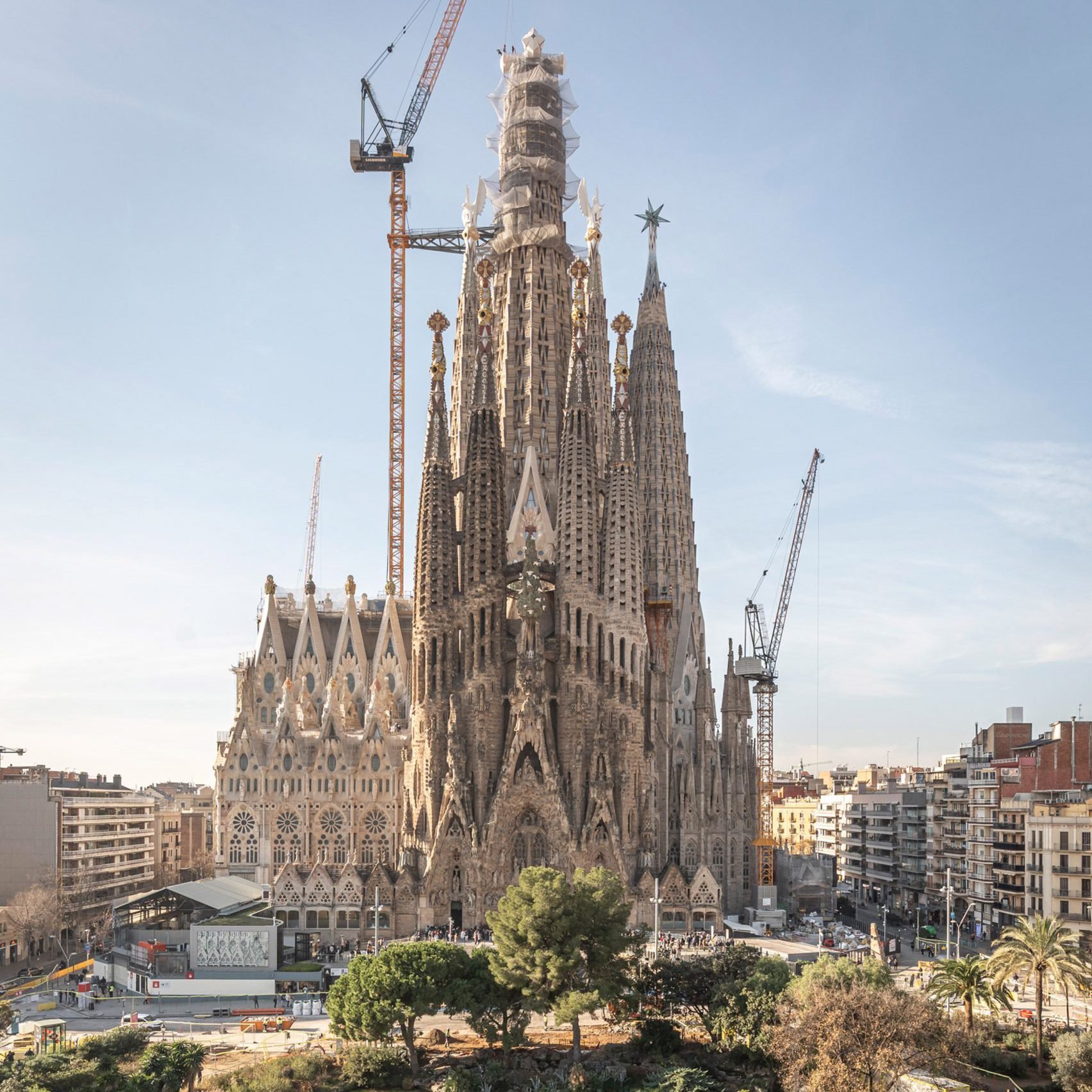
The massive church remains the masterwork of the architect, but it is defined by an ongoing, century-long construction timeline.
Gaudí dedicated 44 years of his life to the cathedral, which features intricate algorithmic designs containing almost no right angles or rectilinear shapes.
Recently, the central tower of Jesus Christ was completed, making the monument the tallest church structure across the entire globe.
The third landmark highlighted is Casa Milà.
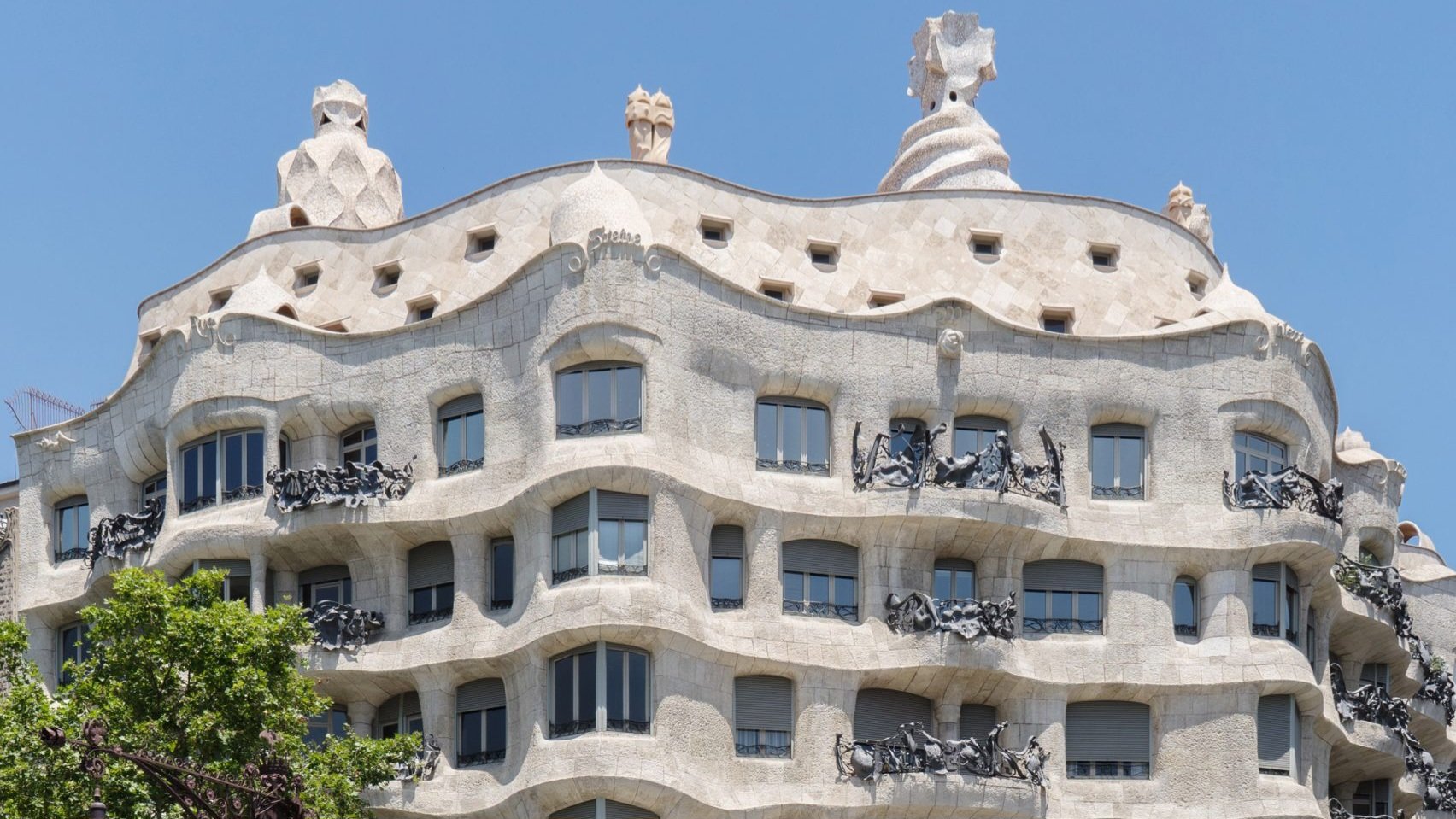
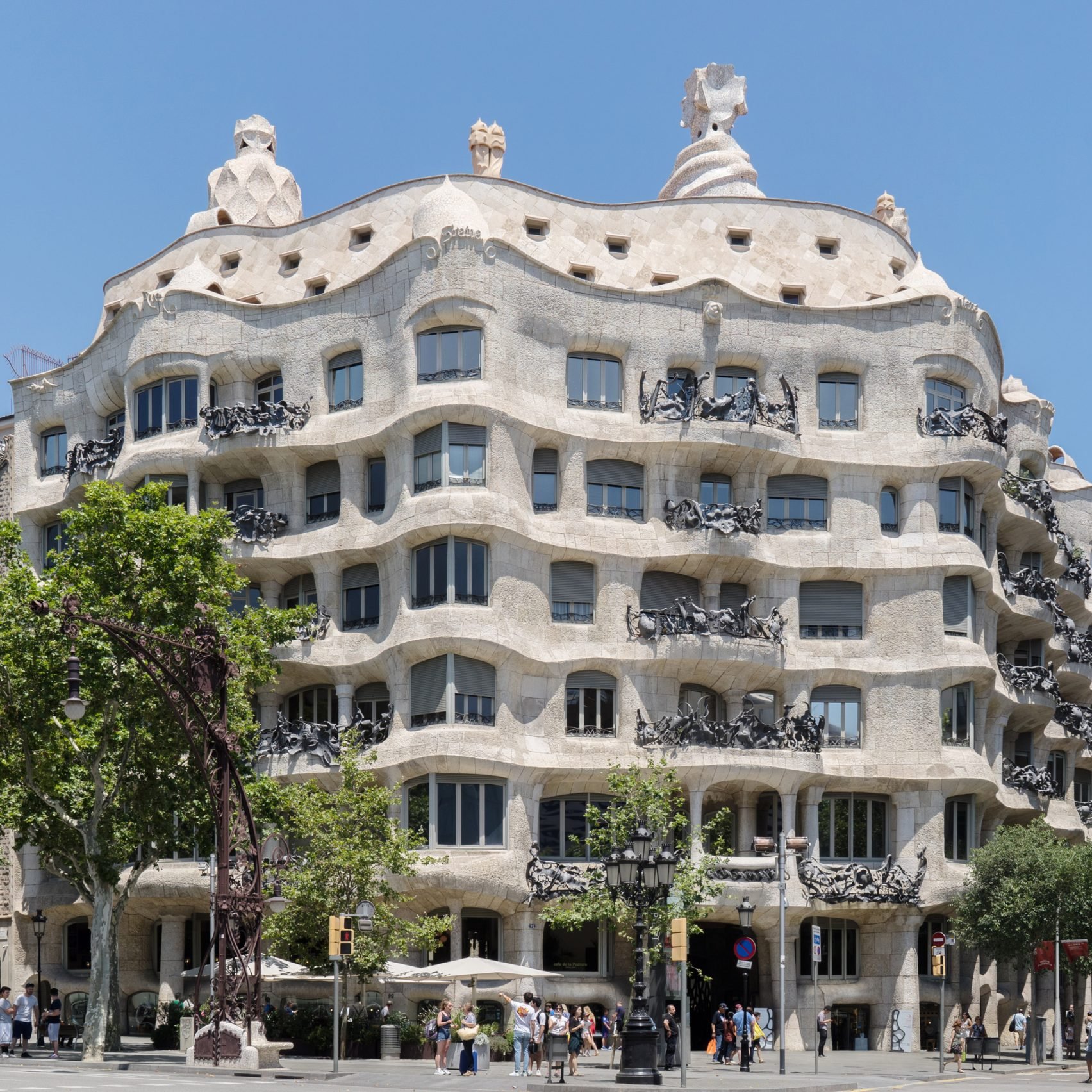
Also known as La Pedrera, it features an undulating curtain wall facade constructed from over 6,000 individual stone blocks.
The structure represents the final private residence designed by the architect, although it is currently a protected civic landmark.
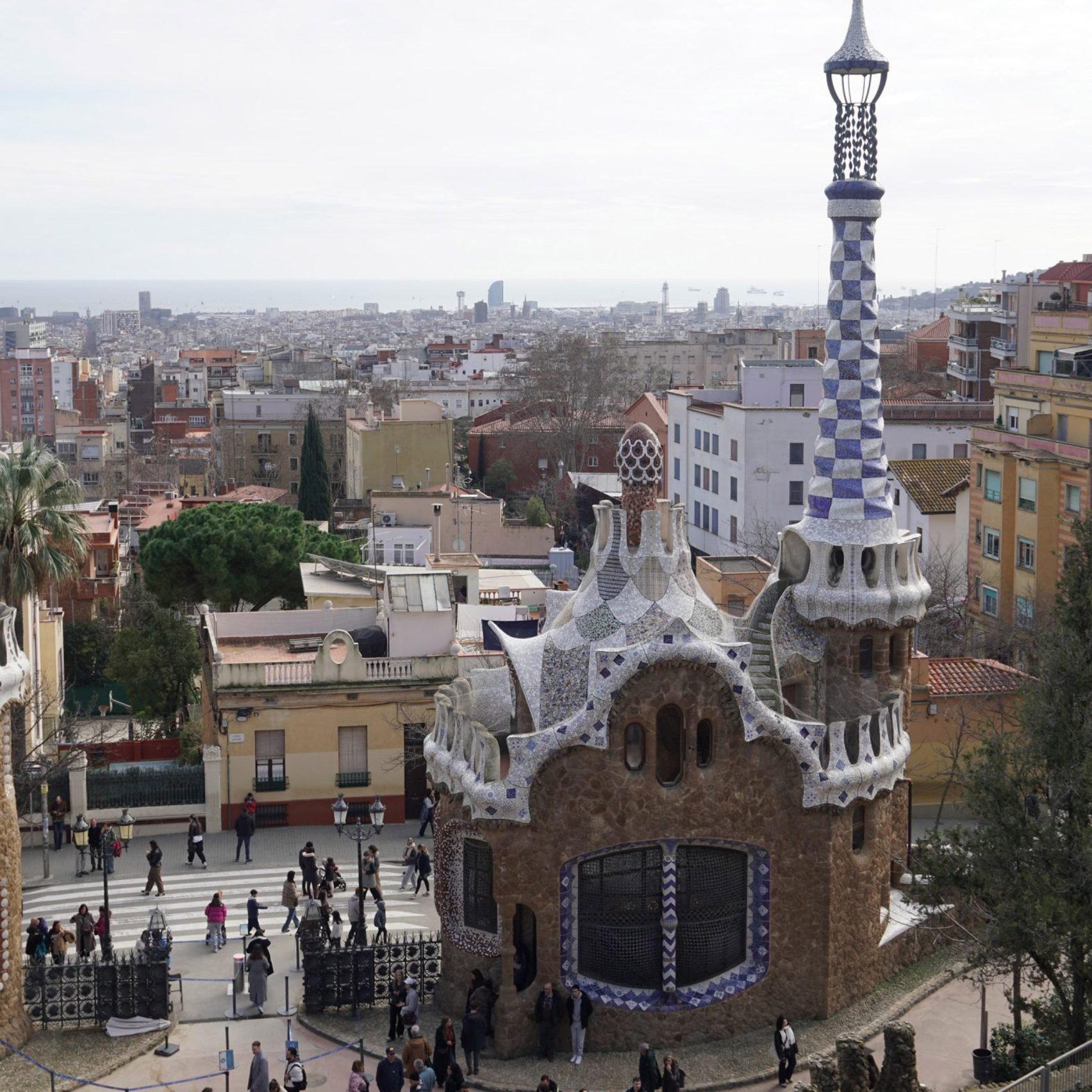
Park Güell is also featured.
The 12-hectare site opened as a public municipal garden in 1926, although it was initially planned as an exclusive private estate.
Industrialist Eusebi Güell originally commissioned the suburban project, but a total lack of buyers eventually halted the development.
Today, the park attracts 4.5 million annual visitors, which has prompted visible local protests regarding intensive touristification.
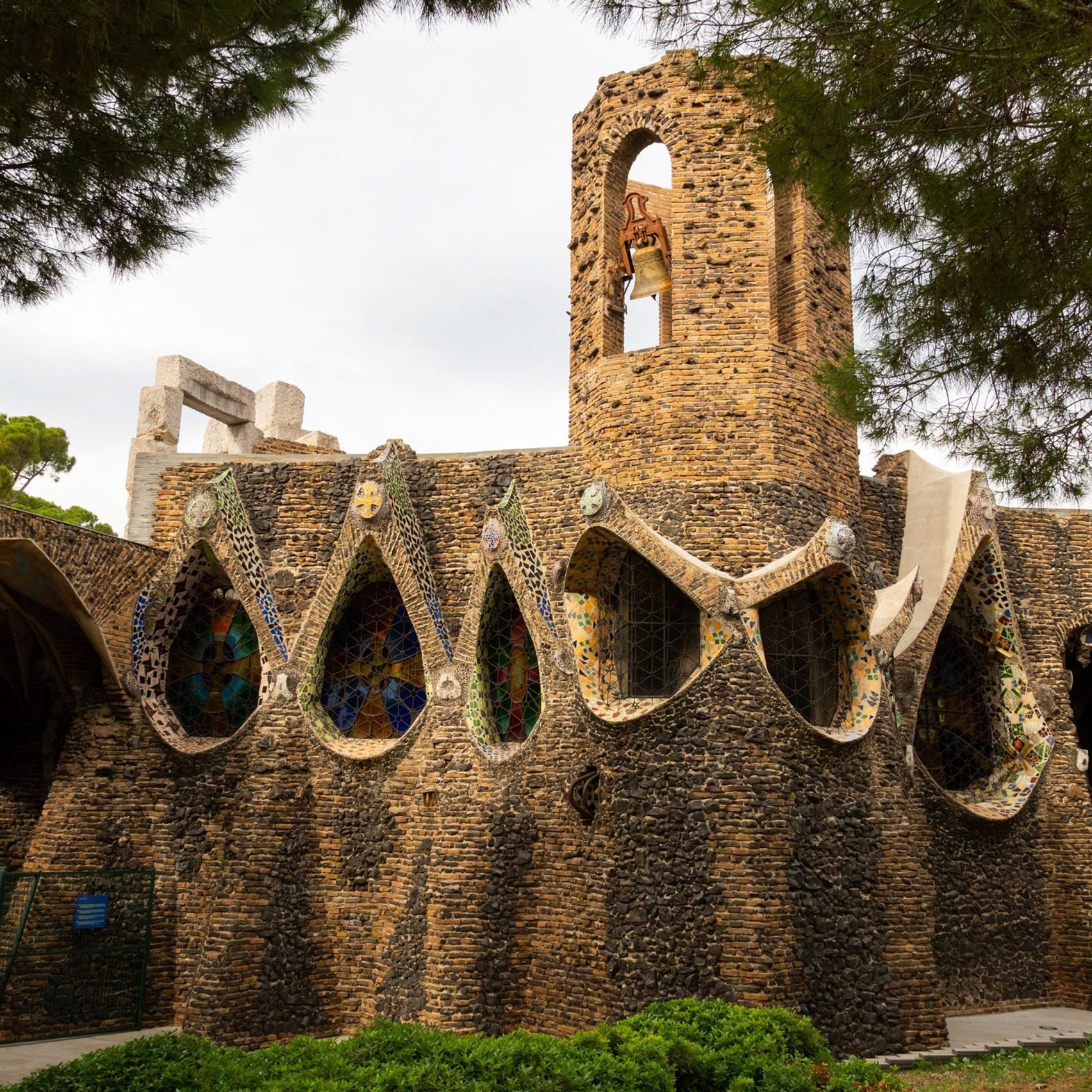
The list includes the Church of Colònia Güell, where the designer first engineered his complex hanging-chain funicular models.
These models served as a physical precursor to modern parametric design.
Though the structure was abandoned with only the crypt finished, it contains twisted columns that mimic natural tree trunks.
The crypt was built from clinker bricks, basalt stone, and iron slag, which give the space a rugged texture.
Outside, butterfly-shaped stained-glass windows are surrounded by colorful mosaics.
Palau Güell represents the first large commission given to the architect by his wealthy patron.
Completed in 1890, the seven-storey residence features a heavy stone facade alongside arched ground-floor entrances made of iron.
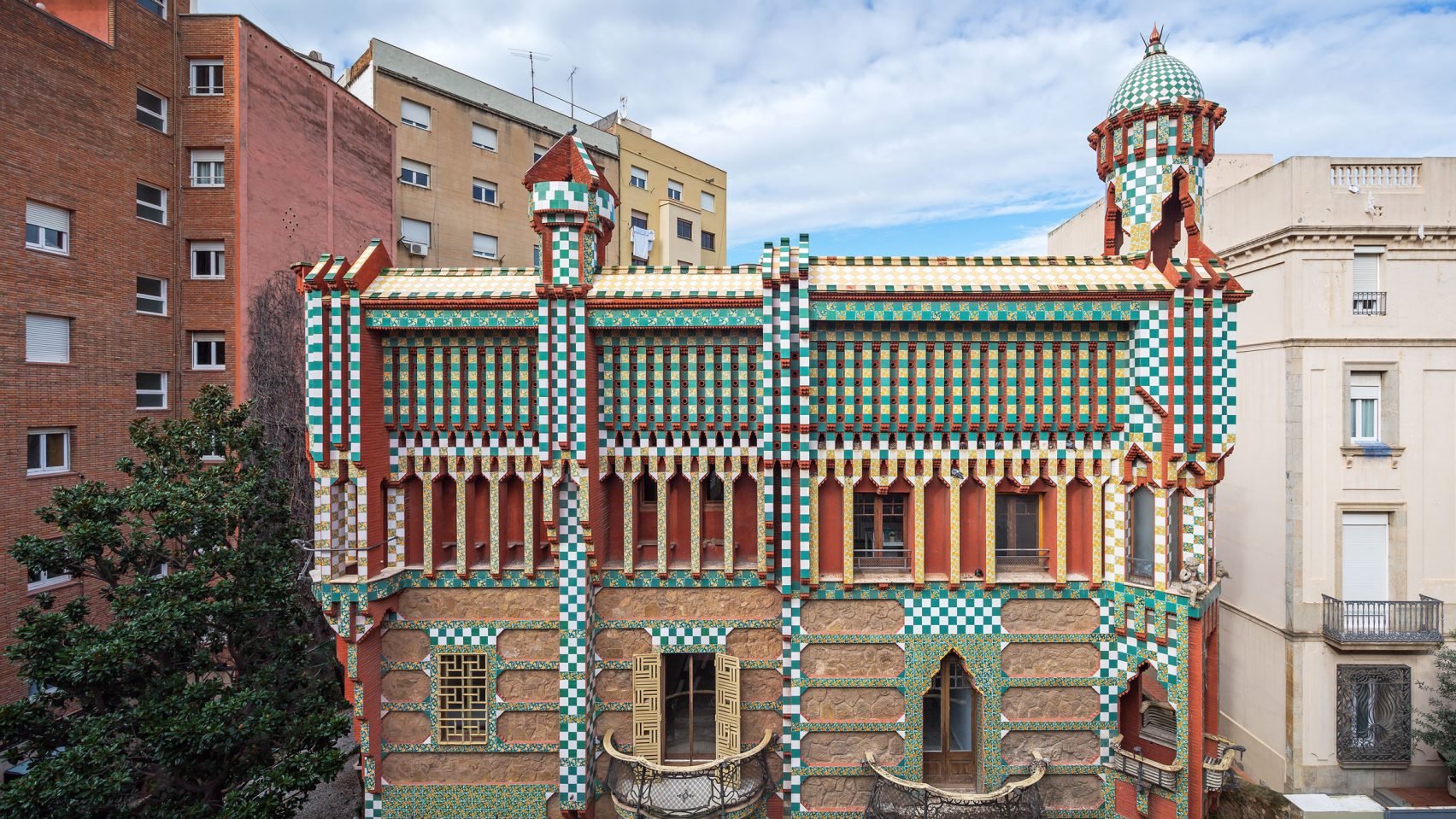
Finally, Casa Vicens represents the earliest residential home designed by Gaudí, built between 1883 and 1885.
Built for Manel Vicens i Montaner, the property only opened to the general public as a museum in 2017.
Bright checkerboard tiles and intricate floral motifs decorate the exterior walls, illustrating early expressions of his style.
Comments (0)
Leave a Comment
No comments yet. Be the first to share your thoughts!