
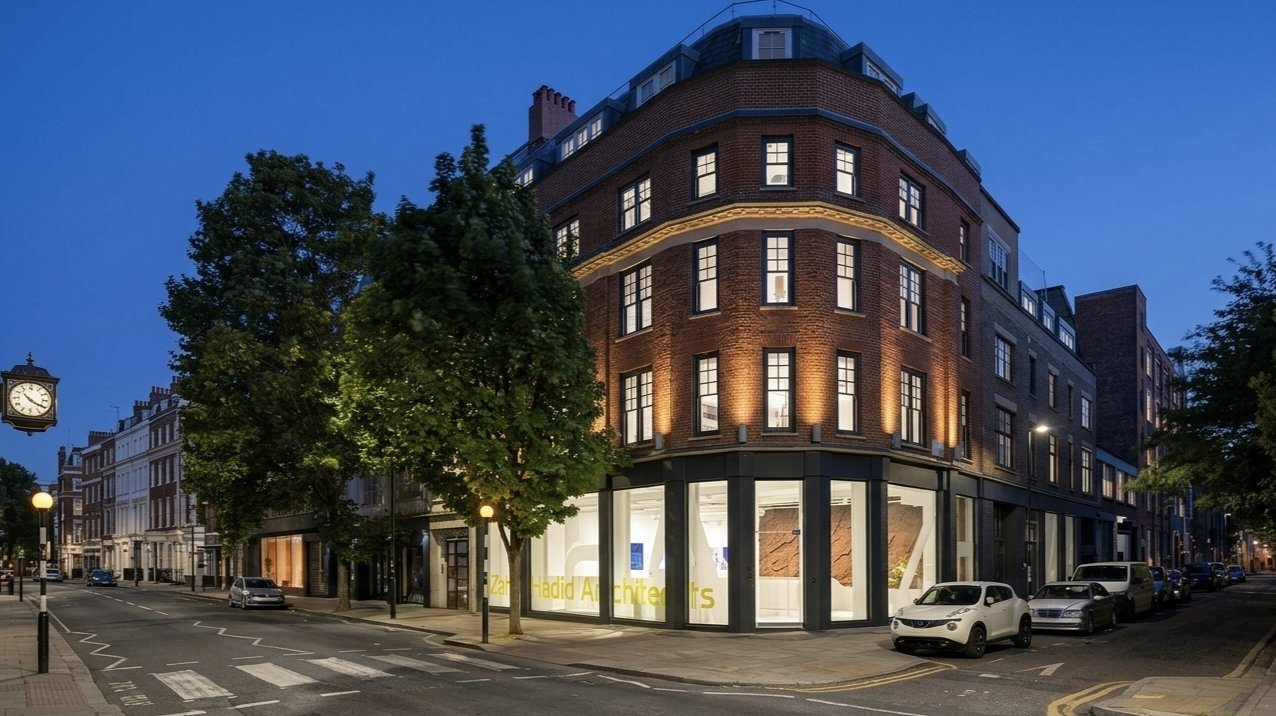

Zaha Hadid built one of the most celebrated architectural practices on earth. She was the first woman to win the Pritzker Prize, the first to receive the RIBA Gold Medal in her own right, and one of the most consequential architects of the 20th and 21st centuries. She died in 2016. The studio she left behind now has one of the worst gender pay gaps in British architecture.
New data published this month from the UK's mandatory gender pay reporting revealed that the median hourly pay gap at Zaha Hadid Architects more than doubled in a single year, rising from 6.3 percent in 2024/25 to 14.5 percent in the most recent reporting period. In practical terms, middle-ranking women at the studio now earn 86 pence for every pound earned by middle-ranking men. A year ago, that figure was 94 pence. The studio went from its best performance on gender pay since 2018 to one of its worst within twelve months.
The bonus gap is sharper still. Women at the firm received median bonus pay that was 33.8 percent lower than that of the men. That figure was not new. It has sat around that level across multiple reporting periods.
The mean hourly pay gap, which averages salaries across the entire workforce rather than looking at the middle earner, has remained at approximately 22 percent for three consecutive years. That figure did not move while the median was falling last year, and it has not moved now that the median has climbed back up. It is, by any reading, a persistent structural gap rather than a statistical fluctuation.
The studio's position, communicated through official statements, is that women and men in equivalent roles are paid equally and that hiring decisions are based entirely on merit. The firm attributed the worsening median figure to an unusually high intake of junior women in the reporting period, arguing that a larger proportion of new staff joining at entry level were women, which pulled the median female salary downward without reflecting unequal pay for the same work.
That explanation is not without logic. But it is also one that the studio has offered in various forms across multiple reporting cycles. The implied argument is that entry-level women will progress into senior roles and close the gap over time. The data does not yet show that happening consistently enough to move the numbers in any lasting direction.
The wider picture across British architecture is mixed. The Architects Journal, which tracks pay gap data across major UK studios annually, found that the overall median gap across reporting practices fell slightly to 13.5 percent this year, down from 15.5 percent in 2024. Foster and Partners narrowed its gap. Several other major studios made measurable progress. Zaha Hadid Architects recorded the largest single-year increase of any studio in the dataset, at 8.2 percentage points.
The Royal Institute of British Architects did not escape scrutiny in the same reporting cycle. Its own gender pay gap nearly doubled from 6.3 percent to 11.3 percent, alongside a rising ethnicity pay gap. The institute's chief executive acknowledged the figures and committed to further action, including a new HR system intended to improve workforce data collection and analysis.
A major RIBA-commissioned report published last year found evidence of what it described as blatant and uncompromising sexism within the UK architecture industry. It also found that women working in architecture are more than twice as likely as women in the general workforce to feel that having children has damaged their careers.
None of that sits comfortably against the legacy of Zaha Hadid. She spent her career being told, directly and otherwise, that the profession had no space for her. She built one of the world's great architecture firms regardless. That the studio bearing her name is now posting some of the sector's worst numbers on pay equity is not a comfortable fact for anyone connected to it.
The firm has published gender pay gap reports every year since 2017. The trajectory has never been linear. Years of progress have been followed by years of reversal. What has not changed is the mean gap, sitting at roughly 22 percent year after year, regardless of what the median does. That is the number that tells the longer story.
Comments (0)
Leave a Comment
No comments yet. Be the first to share your thoughts!