


Zaha Hadid rose to prominence as one of seven architects featured in the 1988 Deconstructivist Architecture exhibition at the Museum of Modern Art in New York. At 37 her contribution appeared as a painting titled The Peak rather than a model or blueprint.
The work submitted for a 1983 Hong Kong competition already signalled her distinctive mathematical and fluid approach. Curators Philip Johnson and Mark Wigley presented it as part of a new sensibility emerging in the field.
Born in Baghdad in 1950, Hadid studied mathematics in Beirut before moving to London in 1972. She worked briefly at the Office for Metropolitan Architecture, then established her own practice in 1979.
Her first realised building came in 1993 with the Vitra Fire Station in Germany. From there, she developed sweeping curves and complex geometries that required advances in software engineering and materials.
Critics both praised and questioned her for pushing what seemed impossible. She earned the nickname Queen of the Curve while insisting on an organic language of architecture based on new digital tools.
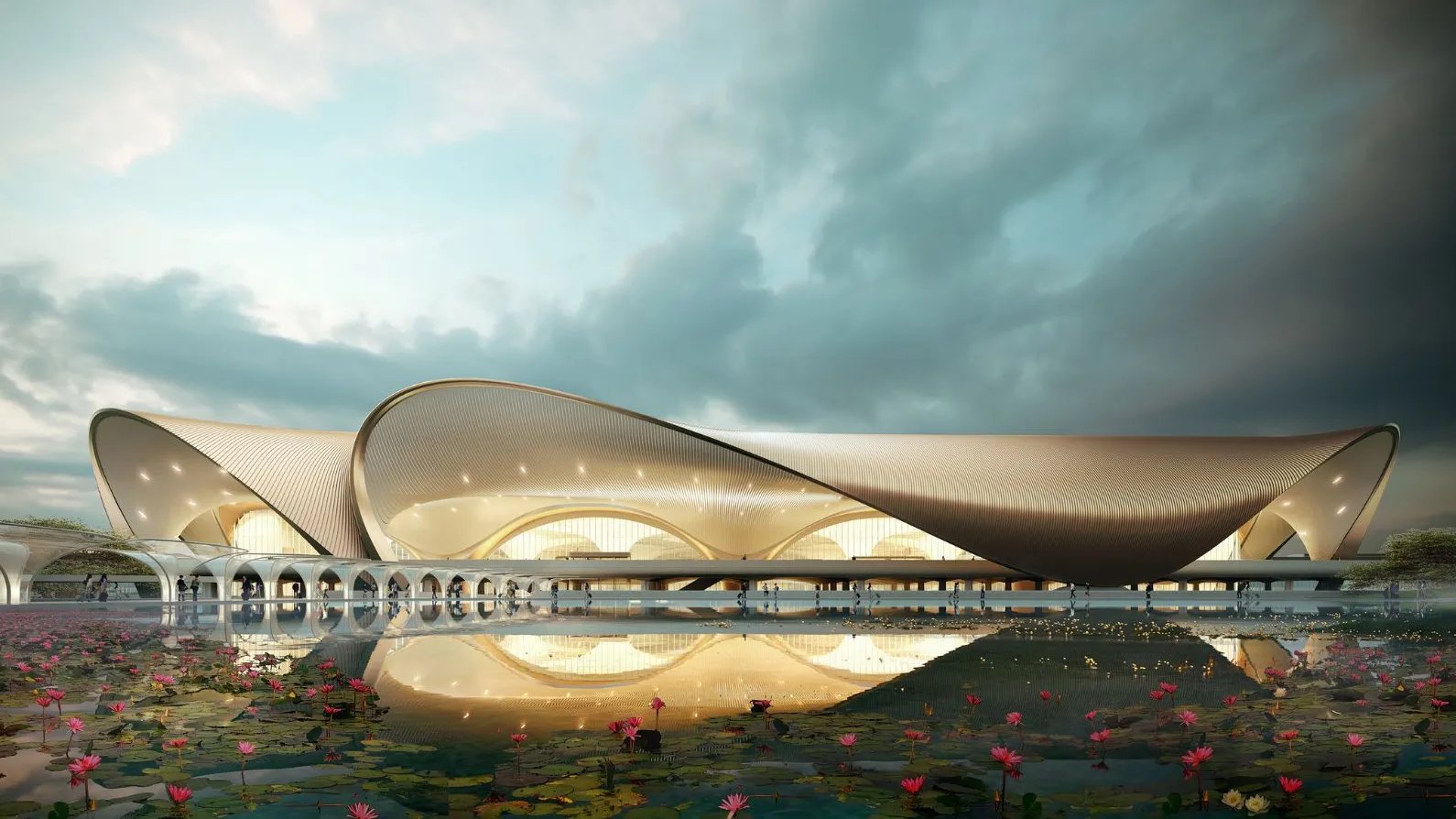
Zaha Hadid Architects Design For Navi Mumbai International Airport
In 2004, Hadid became the first woman to win the Pritzker Architecture Prize in her own right. She later received the RIBA Royal Gold Medal individually in 2016, the first woman so honoured.
She also won the Stirling Prize in 2010 and 2011. Other recognitions included appointment as Commander of the Order of the British Empire in 2002 and being made a Dame in 2012.
At her death in 2016 at age 65, Hadid headed a firm with more than 400 employees. The practice has undertaken around 950 projects in over 44 countries.
Her final completed work was the exhibition design for Kurt Schwitters: Merz in Zurich in 2016. It closed a career that began with theoretical explorations and moved steadily into built reality.
Zaha Hadid Architects continues under Patrik Schumacher, who collaborated with her for nearly 30 years. The firm advances projects that evolve her signature style.
Current efforts include the Bishoftu International Airport in Ethiopia, intended as Africa’s largest. Construction has also progressed on OPPO’s headquarters campus in Shenzhen and Taipei’s Danjiang Bridge.
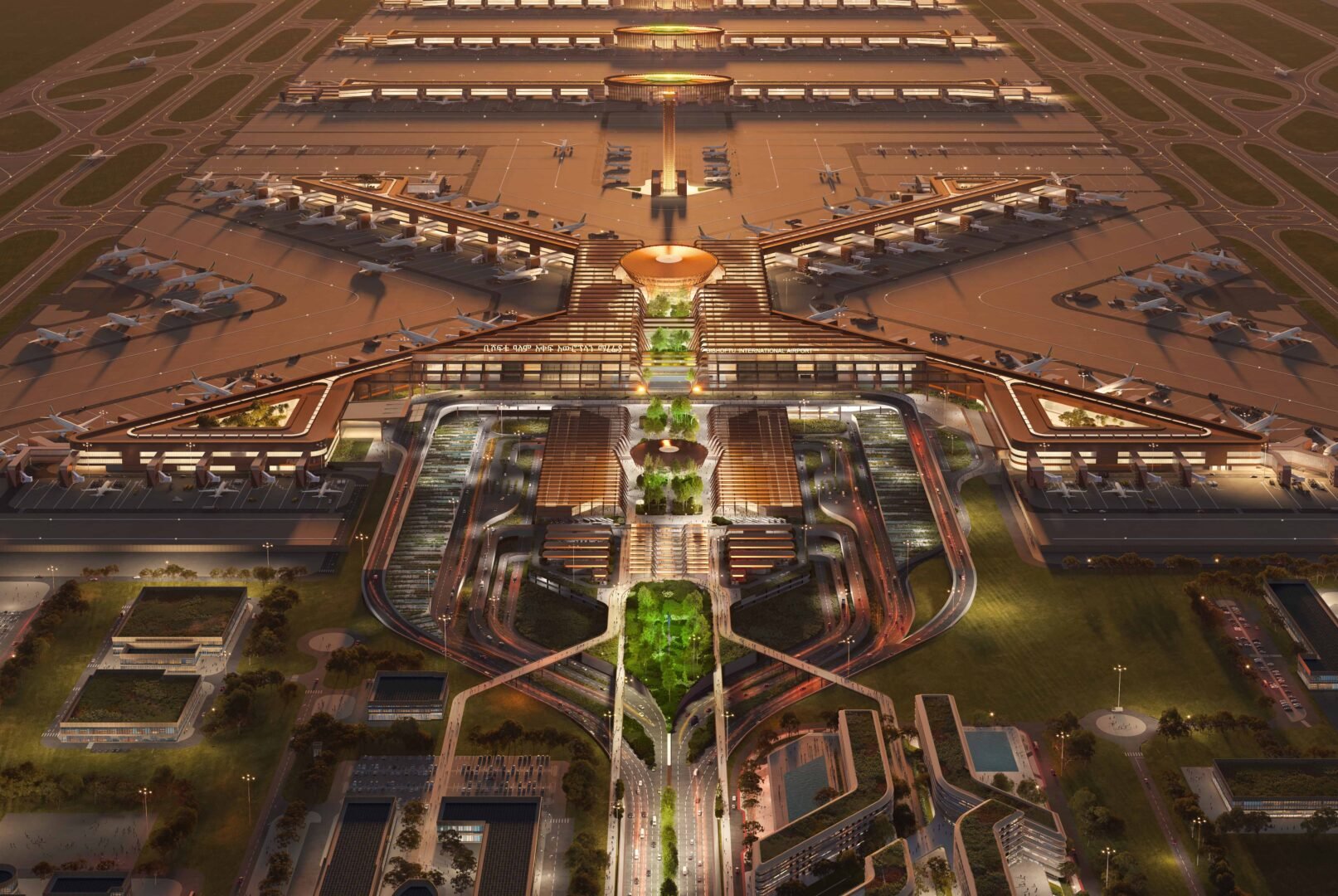
Bishoftu International Airport, Ethiopia
A waterfront redevelopment along the Zhedong Canal in Hangzhou features landscaped parks and gardens on former industrial land. These schemes reflect ongoing interest in fluid transitions between spaces.
Iconic completed projects include the MAXXI National Museum of 21st Century Arts in Rome, with its intersecting concrete forms and the London Aquatics Centre built for the 2012 Olympics. Others feature the Guangzhou Opera House in China and the Heydar Aliyev Center in Baku known for its continuous flowing surfaces. Additional notable works are the Zaragoza Bridge Pavilion in Spain and the Riverside Museum in Glasgow.
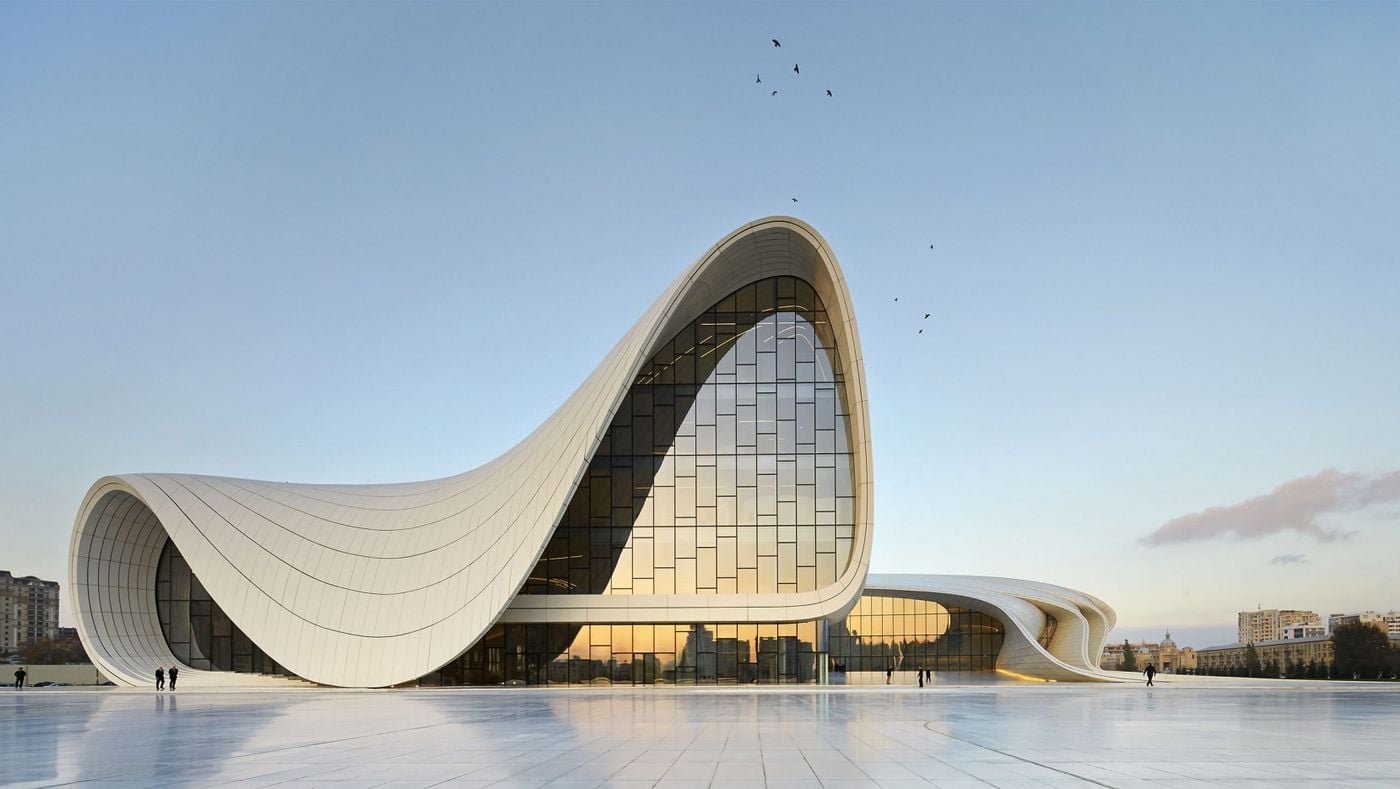
Heydar Aliyev Centre in Baku, Azerbaijan
The Zaha Hadid Foundation, established in London in 2013, maintains her archive. It supports education and emerging talent, including a new scholars programme with the American University of Beirut.
On the 10th anniversary of her passing in 2016, events were organised by the foundation, the Architectural Association and Serpentine Galleries. Milan named a street Via Zaha Hadid in the CityLife district.
Hadid’s legacy rests on translating complex forms into functional buildings. Her background in mathematics informed the parametric methods now common in the profession.
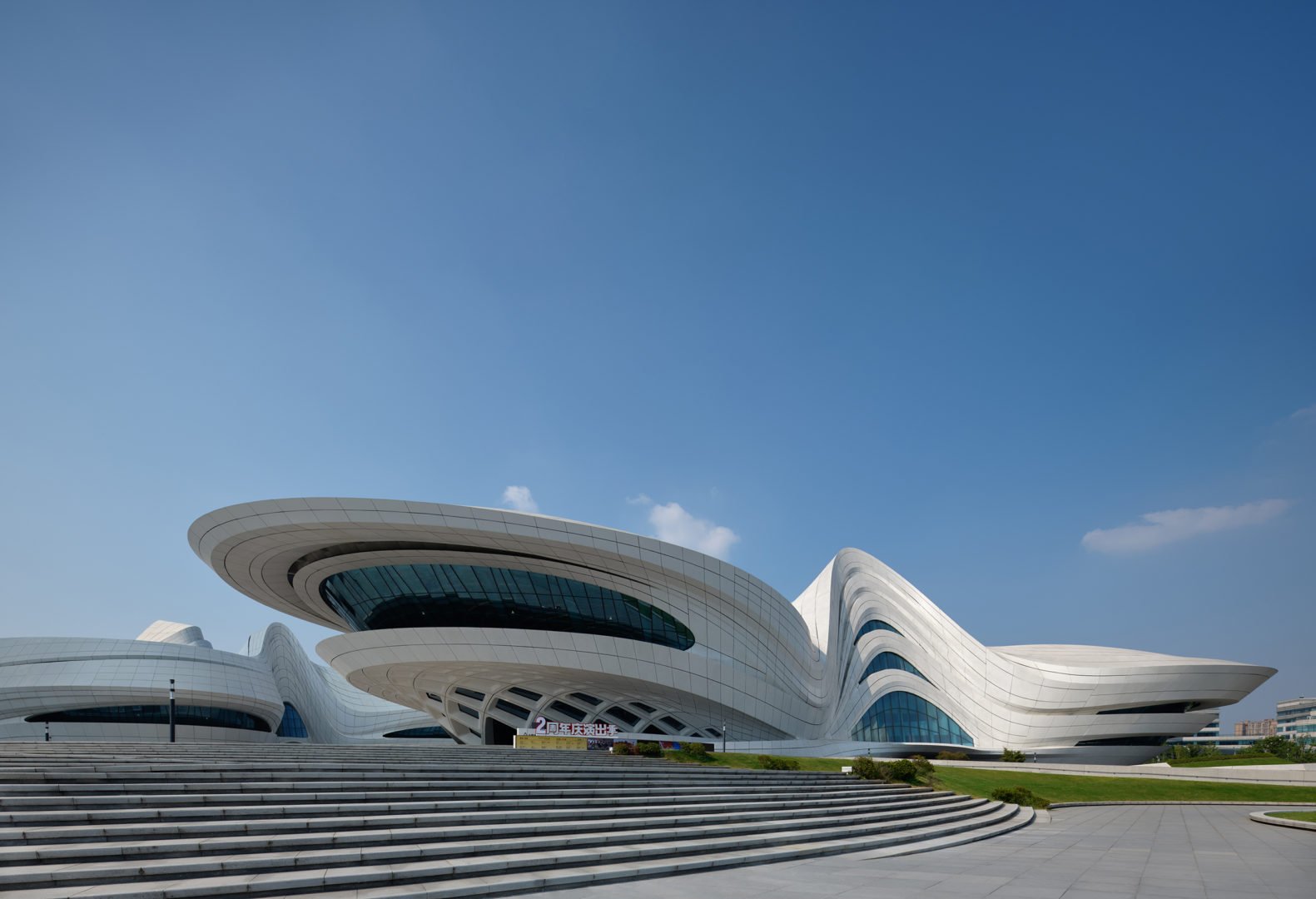
Changsha Meixihu International Culture and Art Centre.
In Kenya and across East Africa, where urban growth demands innovative infrastructure, her influence appears in discussions around bold public structures and fluid design principles.
Young architects in the region encounter similar questions about feasibility when proposing non-traditional solutions. Hadid’s completed projects provide concrete examples of what persistence can achieve.
Her emphasis on seamless integration of form and function continues to resonate. Buildings like the London Aquatics Centre for the 2012 Olympics demonstrated how sweeping lines could serve large-scale public use.
Ten years on, her contributions remain visible in completed works and in the trajectory of the firm she founded. The path from painting to major built commissions illustrates a career defined by boundary pushing.
Comments (0)
Leave a Comment
No comments yet. Be the first to share your thoughts!