
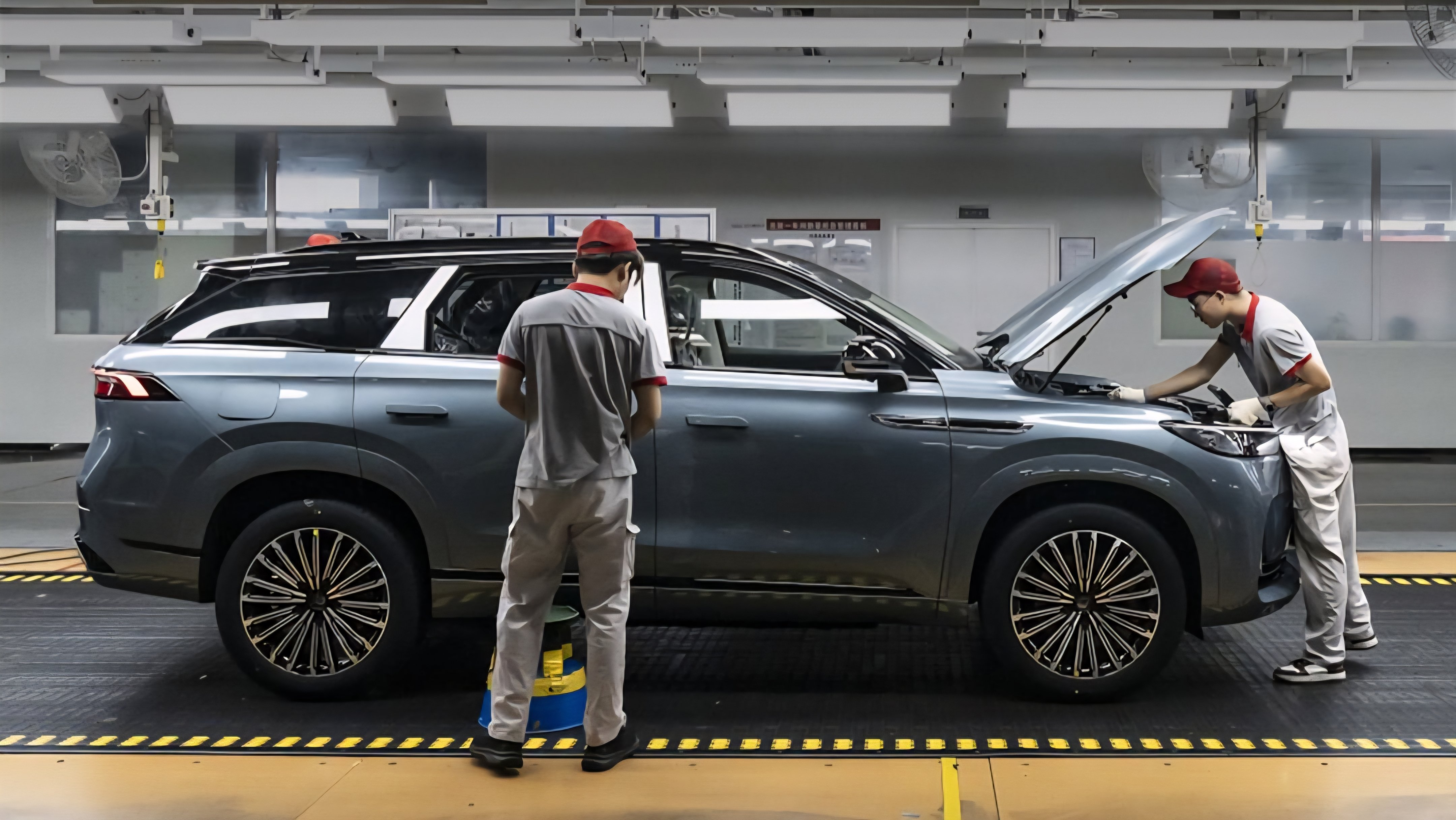

A major shift is reshaping global manufacturing infrastructure as European carmakers establish unprecedented partnerships with Chinese competitors to counter declining sales.
The trend highlights a stark reversal of roles in industrial capability.
Automakers like Stellantis and Volkswagen are opening up their historic assembly plants, but this choice brings intense scrutiny from industrial labor unions.
This strategic realignment comes as Chinese enterprises rapidly outpace traditional manufacturing giants in Electric Vehicle (EV) technology, when software capability becomes the key differentiator across global automotive supply chains.
A central element of this structural shift is a newly announced production agreement between Stellantis and Dongfeng Motor Corporation.
Under this arrangement, European assembly lines will begin manufacturing vehicles for Chinese brands, although the lines of origin remain highly blurred.
Specifically, the historic Rennes factory in France is positioned at the epicenter of this transition, if current plans remain unchanged.
The Rennes facility originally commenced its production operations back in the 1960s, when it was built to meet booming demand for Citroën models.
By the year 2028, French industrial workers at this specific site will begin assembling vehicles for the Voyah brand, which belongs to Dongfeng.
The impending transition has triggered substantial anxiety among the local workforce, who are accustomed to traditional European corporate stability.
Approximately 1,500 employees at the Rennes facility currently express deep fears regarding potential worsening of working conditions, but they have little leverage as plant ownership evolves.
"There are so many concerns around this Dongfeng deal," stated Christine Virassamy, a representative of the Confédération Française Démocratique du Travail (CFDT) labor union.
Virassamy, who is 53 years old, voiced the deeper structural anxieties of the workforce, when discussing the future of the plant.
"What happens to us, if this partnership doesn't work out?"
Virassamy asked this question, as employees face the reality of a changing market.
Beyond the French facilities, Stellantis plans to implement similar collaborative assembly operations with Chinese rivals across major manufacturing hubs in Europe.
These initiatives include a partnership with Zhejiang Leapmotor Technology Company, if the corporate joint ventures expand to Spain and Italy.
The overarching strategy involves using advanced Chinese engineering know-how, but the vehicles will still carry traditional European badges.
Familiar mass-market brands like Opel, Citroën, and Fiat will increasingly rely on these cross-border manufacturing architectures, when seeking to lower costs.
Meanwhile, Volkswagen AG has indicated a clear openness to establishing similar collaborative agreements, although its primary focus remains factory footprint optimization.
The German manufacturing giant is actively evaluating options to reduce its total number of active plants, which reflects a broader industry contraction.
This pressure on factory infrastructure is compounded by a severe drop in traditional automotive sales, if long-term trends are an indicator.
Total automobile sales across the continent have contracted significantly.
Sales fell from 15.3 million vehicles in 2019, but they reached under 13 million recently.
This steep decline has left legacy European automotive manufacturers with far more physical factory space than they can profitably utilize.
Allowing Chinese companies to manufacture locally helps legacy firms offset high overhead costs, although, it raises competitive concerns for the future.
The deepening structural malaise affecting the regional automotive manufacturing sector has now extended to premium luxury producers, including Bayerische Motoren Werke (BMW) AG.
The premium Munich-based vehicle manufacturer recently altered its financial expectations, and, it now expects to barely eke out a profit this year.
This financial turn undercuts the long-held industry belief that premium branding would protect luxury carmakers, but market forces have proven otherwise.
In response to the tightening margins, the luxury company plans to introduce stringent cost-saving measures, which could ultimately result in job cuts.
As the balance of power shifts, global industrial infrastructure is being redrawn, when traditional factories serve as the new front lines.
Comments (0)
Leave a Comment
No comments yet. Be the first to share your thoughts!