

State authorities have intervened in the ongoing insolvency proceedings of KOKO Networks, a firm once touted as a pioneer in Kenya’s clean cooking sector. The latest move involves a formal freeze on the company’s assets, a decision that adds a new layer of complexity to a liquidation process that has left thousands of customers and creditors in a state of uncertainty.
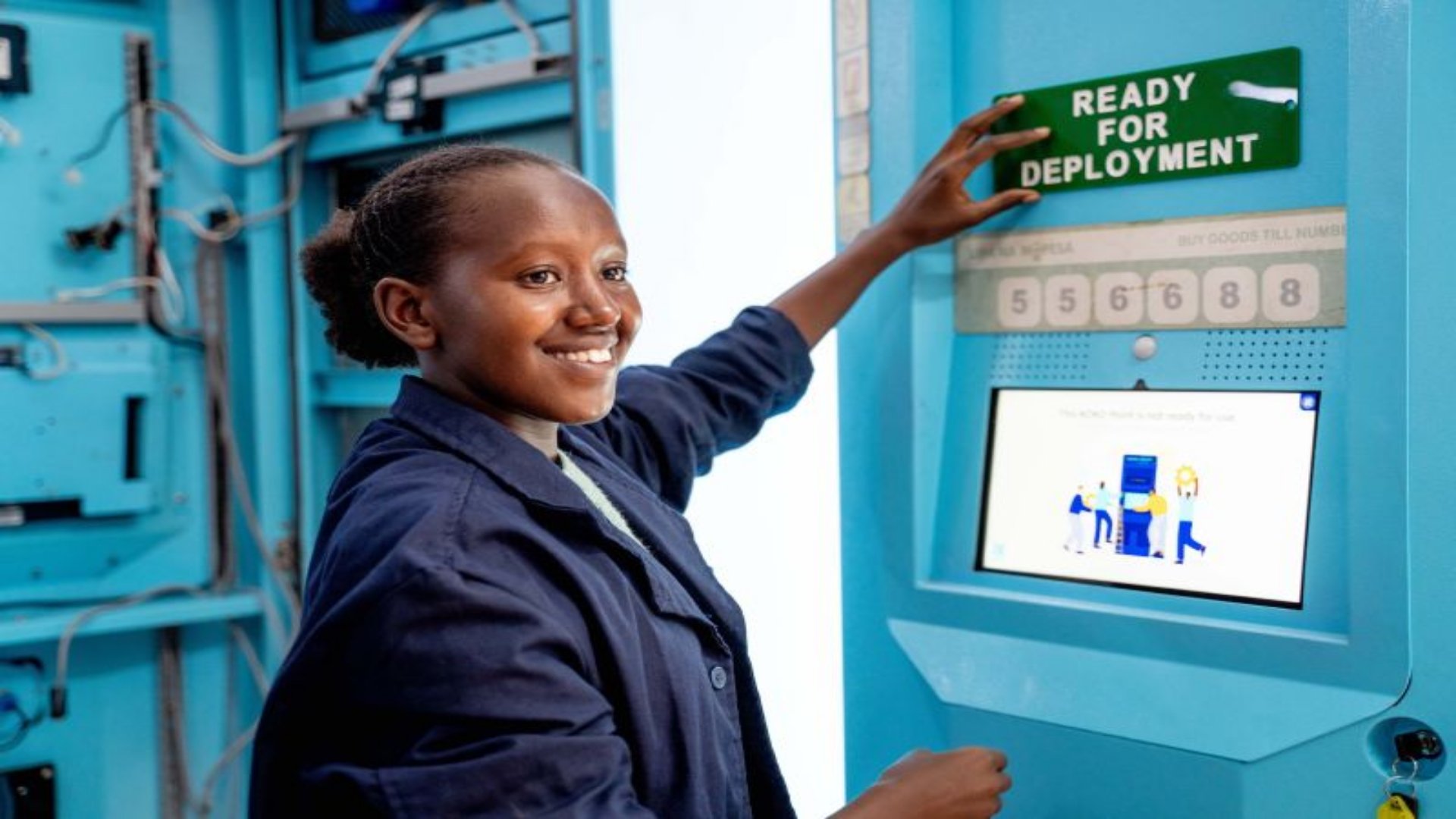
KOKO Networks initially entered the Kenyan market with an ambitious model centered on bio-ethanol cookstoves and a high-tech distribution network. The company utilized automated fuel ATMs located in neighborhood shops, allowing customers to purchase fuel in small, affordable quantities. This infrastructure was supported by significant venture capital and carbon credit financing, which the company leveraged to subsidize the cost of its hardware.
The current legal freeze follows reports of internal financial distress that culminated in the company’s decision to halt operations. Government regulators and investigators are now scrutinizing the firm’s books to determine the exact sequence of events that led to its insolvency. The state is particularly concerned with the protection of local assets and ensuring that any remaining value is not moved out of the jurisdiction before domestic claims are settled.
Creditors, including international investors and local suppliers, are now watching the proceedings closely. The sudden nature of the collapse raised questions regarding the sustainability of the carbon credit model that KOKO relied upon. While carbon markets have provided substantial funding for green energy projects across Africa, the volatility of these markets and the high operational costs of maintaining a physical distribution network appear to have strained KOKO’s liquidity beyond breaking point.
The impact on the ground has been immediate. Small-scale retailers who hosted KOKO fuel points have reported a total cessation of fuel deliveries, leaving them with stranded equipment and no recourse for the deposits held by the company. Similarly, households that transitioned from charcoal or kerosene to KOKO’s ethanol stoves are now finding themselves without a reliable fuel source, highlighting the risks inherent in centralized private utility models.
The liquidator appointed to oversee the dissolution of the firm is now tasked with navigating these state-imposed restrictions. Under Kenyan insolvency laws, the government can intervene if there are concerns regarding public interest or potential irregularities in how a company’s exit is managed. This freeze suggests that authorities are not yet satisfied with the transparency of the current liquidation roadmap.
Industry observers note that the KOKO case serves as a cautionary tale for the broader climate-tech sector in East Africa. Many startups in this space operate on narrow margins and are heavily dependent on external subsidies and the successful verification of carbon offsets. When these funding pipelines are interrupted, or when operational costs outpace revenue, the resulting collapse can be swift.
The government’s involvement is expected to slow down the distribution of any remaining capital. Legal experts suggest that the freeze will remain in place until a comprehensive audit of the company’s liabilities is completed. This includes an assessment of what is owed to employees, many of whom were terminated with little notice as the company’s financial position became untenable.
As the case moves through the courts, the focus will remain on whether any of KOKO’s intellectual property or physical infrastructure can be salvaged or sold to a new operator. For now, the hardware sits idle across Nairobi and other urban centers, serving as a reminder of the fragility of even the most well-funded infrastructure startups in the region. The next phase of the investigation will likely determine if the company’s leadership will face further scrutiny over the management of its final months of operation.
Comments (0)
Leave a Comment
No comments yet. Be the first to share your thoughts!