
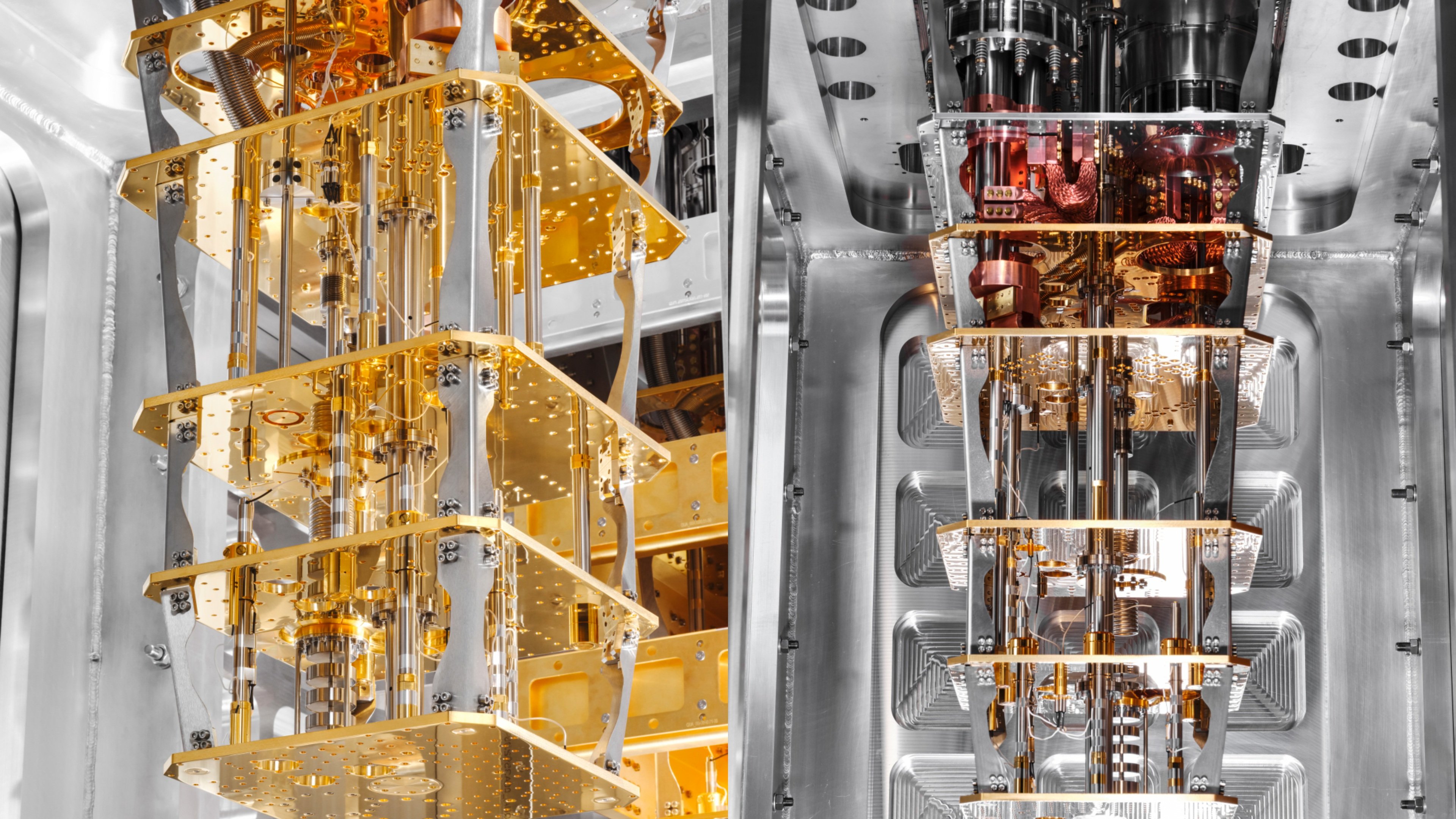

International Business Machines Corporation (IBM) announced a modular architecture for quantum cryogenic systems. The new design approach covers housing, connecting, and cooling quantum processors within specialized refrigeration environments.
According to the technology company, this development serves as a foundational component toward the deployment of IBM Quantum Starling, which is expected to debut in 2029 as a large-scale quantum system.
Quantum computing hardware requires near-absolute-zero temperatures to maintain stable quantum states in microprocessors. Traditional cryogenic setups often face physical spatial constraints when scaling up the number of interconnected processors.
The modular framework aims to solve layout limitations by establishing standardized compartments that allow multiple cooling units to link together seamlessly.
By standardizing cryogenic infrastructure, hardware engineers can scale processor interconnects without requiring custom structural overhauls for each expansion phase.
IBM noted that the architecture is tailored to support complex cabling and signal delivery mechanisms across separate temperature zones within the cryogenic hardware.
The company is positioning the modular cooling technology as a key structural layer for its multi-year quantum computing roadmap leading up to the end of the decade.
The announcement underlines an ongoing shift in quantum engineering from single-unit experimental refrigerators to scaled, industrial-grade facility designs capable of hosting large quantum arrays.
Industry analysts observe that facility-level infrastructure, such as power delivery and advanced cooling frames, remains a critical bottleneck for commercial quantum adoption alongside chip-level quantum bit, or qubit, performance metrics.
Modular cooling frames permit concurrent maintenance and incremental expansion of hardware clusters, which reduces system downtime compared to monolithic cryostat installations.
The 2029 target for the IBM Quantum Starling system highlights the company's long-term commitment to delivering fault-tolerant quantum operations integrated into high-performance computing centers.
As technological developments progress over the coming years, cooling infrastructure designs will continue playing an essential role in dictating the physical size and operational footprint of commercial quantum data facilities worldwide.
Comments (0)
Leave a Comment
No comments yet. Be the first to share your thoughts!