
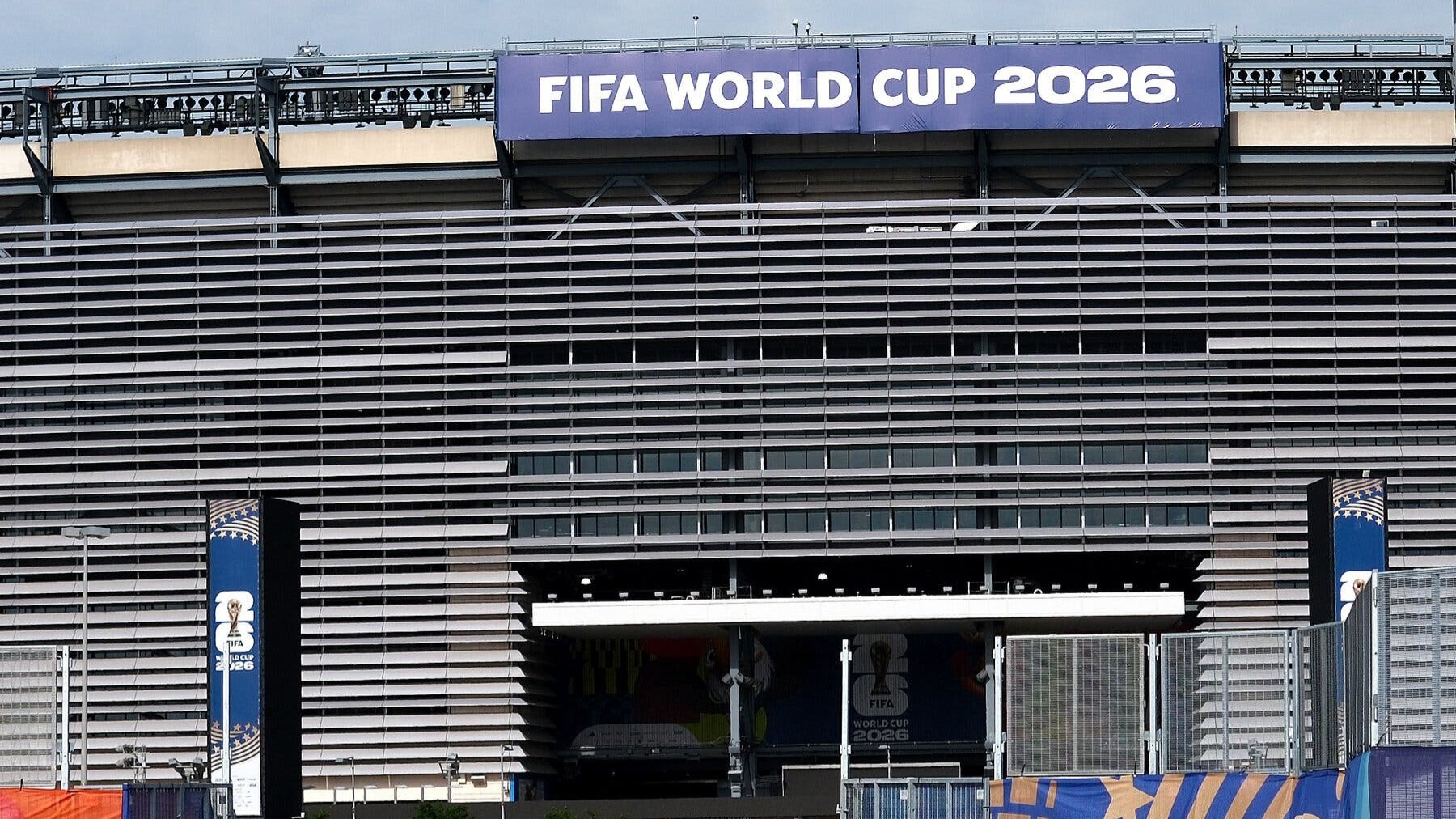

Transport infrastructure at several North American tournament venues is facing a significant adjustment, as ride-hailing provider Uber technologies incorporated unveils specialized shuttle operations to handle international visitor crowds. The services will target hard-to-reach stadiums that are traditionally heavily dependent on highway networks, and lack robust urban rail connections.
The new transit options will deploy directly to venues situated near New York City, Boston, Dallas, and Miami, where suburban layouts often complicate tournament logistics. By operating immediately after matches, the high-capacity passenger vehicles aim to mitigate the post-game gridlock that frequently isolates peripheral sports complexes.
Fares for the designated Uber Shuttle routes are locked at flat rates to prevent the typical pricing surges associated with major regional sporting events. Passengers departing from the New York-New Jersey venue will pay a fixed fee of $49, while those traveling from the respective match venues in Boston, Dallas, and Miami will face a set rate of $45.
Alongside the scheduled shuttle corridors, a larger fleet option named Uber Max will allow traveling groups to reserve a 14-seat van for direct transportation to and from the stadiums. This addition addresses specific vehicle capacity challenges for international tourist delegations, who frequently travel in cohorts and require coordinated logistical planning.
Industry analysts note that many of the selected venues, such as Hard Rock Stadium in Florida or Gillette Stadium in Massachusetts, present inherent transit bottlenecks due to their distance from primary metropolitan hotel districts. The introduction of point-to-point shuttle programs serves as a temporary private transit overlay, bridging the gap between local municipal infrastructure and the heightened demands of a global tournament.
To further accommodate the influx of foreign visitors unfamiliar with domestic ride-hailing structures, a regional membership pass priced at $4.99 will offer localized discount protections. This framework aims to stabilize transit costs for spectators moving between distinct host cities throughout the summer schedule.