
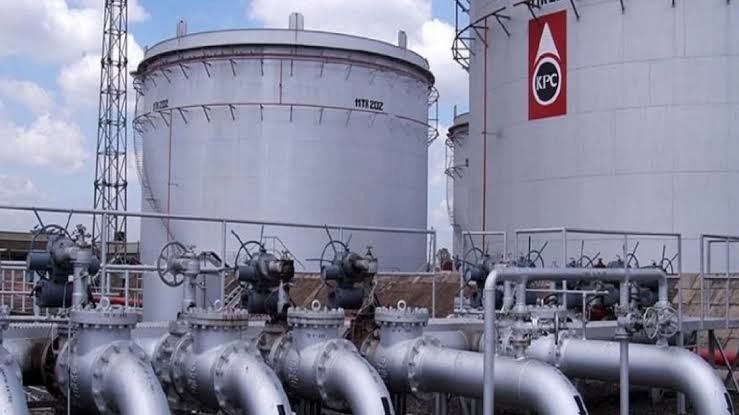

National Social Security Fund (NSSF) invested Sh36 billion in Kenya Pipeline Company (KPC) initial public offering. The institutional capital injection secured a 22 percent equity stake, positioning the state pension manager as second-largest shareholder after national government.
The shareholding was executed through proxy nominee accounts. This arrangement kept ownership structure undisclosed until recent regulatory disclosures revealed exact equity distributions.
Energy logistics infrastructure represents a critical operational sector for East African economic distribution networks. KPC manages refined petroleum movement from coastal entry points to regional inland depots.
The state pension scheme routinely allocates capital across national infrastructure projects and listed equities to preserve contributor value. Institutional investments provide long-term funding for strategic national utilities and transportation systems.
The revelation underscores growing participation of domestic pension funds in financing public energy supply infrastructure assets. NSSF continues managing broad asset portfolios covering real estate, government paper, and commercial equity investments across Kenya.
Infrastructure financing structures increasingly leverage domestic institutional liquidity to support energy transmission operations. KPC maintains monopoly control over refined fuel pipeline transport across the regional economic block.
Public asset share transactions remain subject to regulatory oversight bodies supervising financial equity markets and retirement fund investments. NSSF management routinely reports directly to national oversight authorities regarding major asset management decisions.
The energy supply network requires continuous capital expenditure for technical maintenance, infrastructure expanding projects, and pumping station modernizations. Private and institutional equity investment supports capital deployment programs for state utilities.
Future asset filings will clarify operational influence and governance representations linked to nominee account ownership structures. National regulatory standards require full declaration of beneficial ownership interests in state-adjacent strategic infrastructure entities.
Government retains majority ownership control over petroleum transportation operations across national pipeline corridors. Domestic capital mobilization efforts rely on institutional pension reserves to fund national energy grid developments.
Comments (0)
Leave a Comment
No comments yet. Be the first to share your thoughts!