
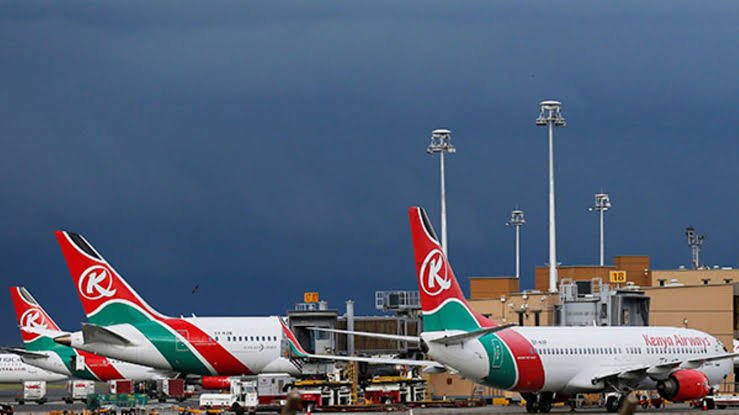

The Government of Kenya has confirmed its intention to divest from Kenya Airways, marking a significant shift in the management of the country's aviation infrastructure. President William Ruto's administration is seeking a strategic partner to take over the state’s 48.9 percent shareholding in the national carrier. The move aligns with broader fiscal requirements discussed with the International Monetary Fund and aims to curb the persistent reliance on the National Treasury for operational bailouts.
For years, the airline, known as the Pride of Africa, has struggled with a heavy debt burden that has necessitated repeated interventions from the exchequer. Recent financial reports indicate the government has extended over 130 billion shillings in support to the carrier. By bringing in a strategic investor, the administration hopes to secure a capital injection of between 1.2 billion and 2 billion dollars. This funding is critical for addressing negative equity and modernizing the fleet, which remains a cornerstone of Nairobi's status as a regional logistics hub.
The privatization plan has gained momentum following the airline's recent return to operating profitability. In 2024, Kenya Airways reported its first net profit in over a decade, a milestone attributed to the "Project Kifaru" turnaround strategy. This revitalization program focused on cost optimization, route restructuring, and the phasing out of underperforming assets. With the resumption of share trading on the Nairobi Securities Exchange in early 2025, the government believes the timing is right to attract global aviation players.
President Ruto has previously engaged in discussions with major international carriers, including Delta Air Lines, to gauge interest in a partnership. The administration's preference is for a "cash-rich" foreign airline that can provide not only capital but also technical expertise and global network integration. Such a partnership is expected to strengthen Jomo Kenyatta International Airport's role in the regional aviation landscape, supporting long-term infrastructure goals.
Beyond the airline’s internal balance sheet, the sale is tied to the government’s broader economic reforms. The International Monetary Fund has consistently emphasized the need for Kenya to restructure loss-making state-owned enterprises to reduce fiscal risk. The sale of the KQ stake is seen as a primary step in meeting these conditionalities, which are linked to ongoing lending programs and debt management efforts.
The transition to private ownership is also being integrated with plans to revamp airport infrastructure. The National Treasury has indicated that the carrier could be included in public-private partnership deals aimed at modernizing Jomo Kenyatta International Airport. This integrated approach seeks to synchronize the airline’s recovery with the expansion of terminal capacities and ground handling facilities.
While the government seeks to exit its controlling position, the process remains subject to the Privatization Act of 2025. This legislative framework, which replaced earlier versions, was designed to streamline the sale of state assets while ensuring transparency and parliamentary oversight. The Privatization Authority, under the National Treasury, will now oversee the bidding process and ensure that any deal protects the financial interests of the taxpayer.
For the construction and infrastructure sectors, the stabilization of the national carrier is vital. A healthy airline supports the viability of planned airport expansions and the development of ancillary transport infrastructure. As the government prepares to invite formal bids, the focus shifts to whether a strategic partner can be secured by the end of the 2025 fiscal cycle to finalize the recapitalization of the airline.
Comments (0)
Leave a Comment
No comments yet. Be the first to share your thoughts!