
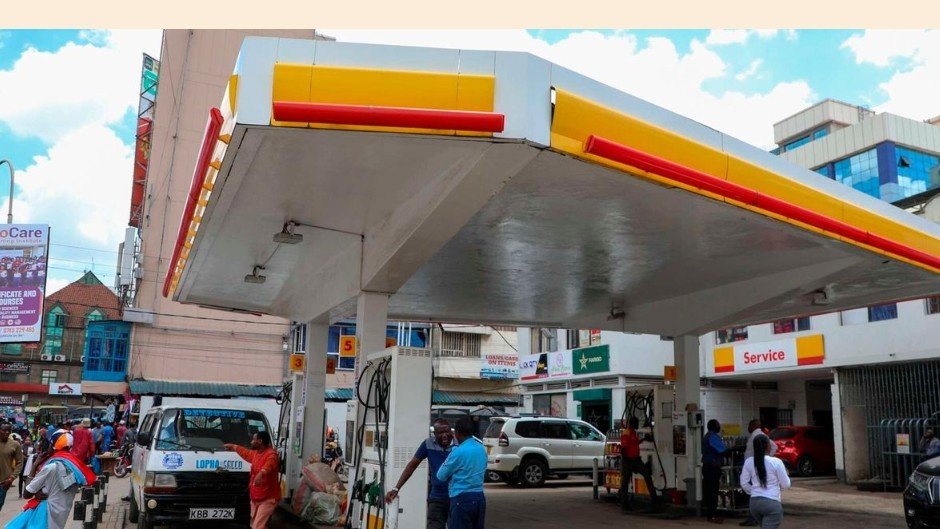

Kenya’s oil marketing companies contributed Sh279 billion in taxes to the government, with Vivo Energy emerging as the leading contributor, according to available company and tax data. The payments highlight the large role played by fuel companies in government revenue collection.
Vivo Energy, which markets Shell-branded fuels in Kenya, has remained one of the country’s biggest taxpayers. Its operations cover fuel importation, storage, distribution and retail, giving the company a large tax base through its activities across the country.
The oil sector contributes revenue through several taxes and levies imposed on petroleum products. These include excise duty, value added tax, import related taxes and other charges collected along the fuel supply chain. Consumers ultimately carry part of these costs through pump prices.
The large tax contribution comes as the government continues to depend heavily on revenue from the energy and transport sectors. Fuel is widely used by households, businesses, manufacturers and the transport industry, making petroleum taxes an important source of public revenue.
Vivo Energy’s position among the leading taxpayers reflects the size of its operations in Kenya. The company serves a broad network of service stations and commercial customers, while also supplying fuel to industries and other users that require petroleum products.
Other oil marketing companies also account for a substantial share of tax collections. The sector includes local and international firms involved in importing, storing, transporting and selling petroleum products, with each company contributing taxes based on its business activities and taxable income.
The amount paid by oil companies is also affected by changes in fuel prices and consumption. When the value or volume of petroleum products sold increases, taxes charged as a percentage of the product price can also rise, although changes in demand can affect overall collections.
Kenya has in recent years increased attention on tax compliance among large companies as the government seeks to raise more domestic revenue. Oil marketers are closely monitored because petroleum products pass through a regulated supply chain and generate several forms of taxation.
For motorists and businesses, however, the tax burden on fuel remains an important issue because taxes form a considerable part of the final pump price. Changes in petroleum taxes can therefore affect transport costs, production expenses and the prices of goods and services.
The Sh279 billion contribution underlines the importance of the oil marketing sector to Kenya’s tax base. With Vivo Energy leading the group, the figures also show how a small number of large companies can account for substantial government revenue through their nationwide commercial operations.
Comments (0)
Leave a Comment
No comments yet. Be the first to share your thoughts!