
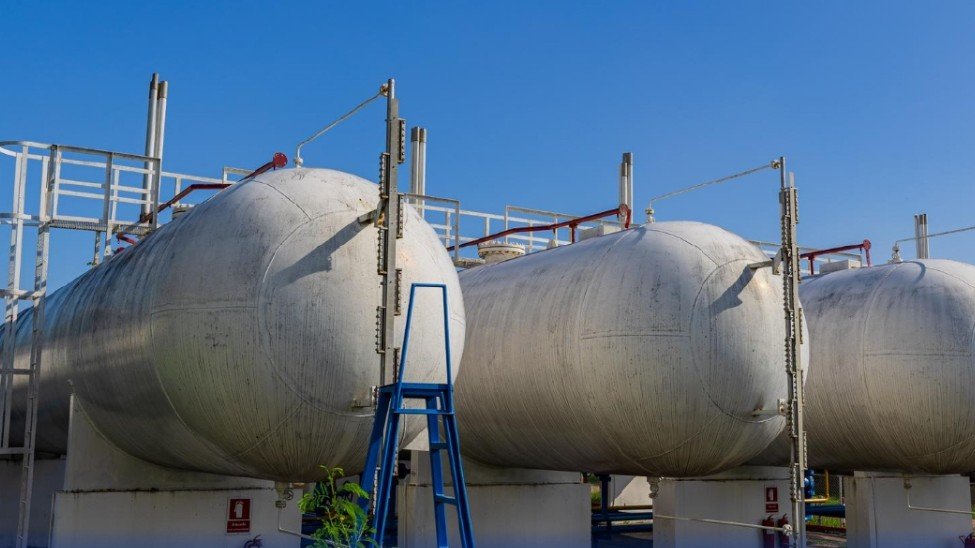

A safe Liquefied Petroleum Gas (LPG) sector depends on proper regulation across the entire supply chain. From importation and storage to distribution and use, LPG operators must follow safety requirements designed to protect consumers, workers, businesses and the wider public.
Regulators play an important role in ensuring that companies operating in the LPG industry meet the required standards. Their responsibilities include licensing operators, inspecting facilities, monitoring compliance and taking action where businesses fail to meet established safety and operational requirements.
Licensing helps authorities identify and monitor businesses involved in the LPG trade. Operators are required to meet specific conditions before they can conduct activities such as storage, transportation, filling and distribution. This provides a framework for controlling who can participate in the sector.
Regular inspection of LPG facilities is also important because the gas requires careful handling. Storage facilities, filling plants, transport equipment and other installations need to meet safety requirements. Inspections can help identify problems that could place workers, consumers or nearby communities at risk.
Safety standards cover different stages of LPG handling and use. Businesses are expected to maintain suitable equipment, follow proper procedures and ensure that facilities are operated by people with the necessary knowledge. Compliance reduces the possibility of accidents linked to poor handling or unsafe installations.
Consumer protection is another part of LPG regulation. Customers need access to properly handled and safely packaged gas, while businesses should provide accurate information about their products and services. Effective oversight can also help address practices that may put consumers at unnecessary risk.
The transportation and distribution of LPG require close attention because the product moves between storage facilities, businesses and households. Operators must observe the applicable requirements when transporting and delivering LPG to reduce risks associated with leaks, poor storage or improper handling.
Enforcement remains important when operators fail to comply with regulations. Regulatory authorities can investigate reported violations, inspect facilities and apply measures provided under the law. Consistent enforcement encourages businesses to maintain the required standards instead of treating safety requirements as optional.
Public awareness also supports a safer LPG sector. Consumers should understand the importance of purchasing LPG from legitimate suppliers and using approved equipment. They should also follow safety instructions and report suspected unsafe practices through the appropriate regulatory channels.
A well-regulated LPG industry can build greater confidence among consumers and businesses. Continued licensing, inspections, enforcement, consumer protection and public awareness can help ensure that LPG is handled, stored, transported, distributed and used safely across the country.
Comments (0)
Leave a Comment
No comments yet. Be the first to share your thoughts!