

Africa has some of the world’s strongest renewable energy resources, including abundant sunlight, large river systems, strong winds and geothermal potential. Yet millions of people across the continent still lack reliable access to electricity, creating a wide gap between available resources and actual power supply.
Solar energy is particularly widespread across Africa, with many countries receiving high levels of sunlight throughout the year. Despite this advantage, solar power remains underused in several regions because of high project costs, limited financing and weak electricity infrastructure.
Hydropower also provides an important source of electricity, especially in countries with large rivers and suitable terrain. Nations such as Ethiopia, Zambia, Uganda and the Democratic Republic of Congo have substantial water resources, but many communities remain without dependable electricity.
Geothermal energy offers another opportunity, particularly in East Africa. Kenya has developed one of the continent’s largest geothermal power industries, using heat from underground sources to generate electricity. Ethiopia, Tanzania and Djibouti also have geothermal resources that could support future power generation.
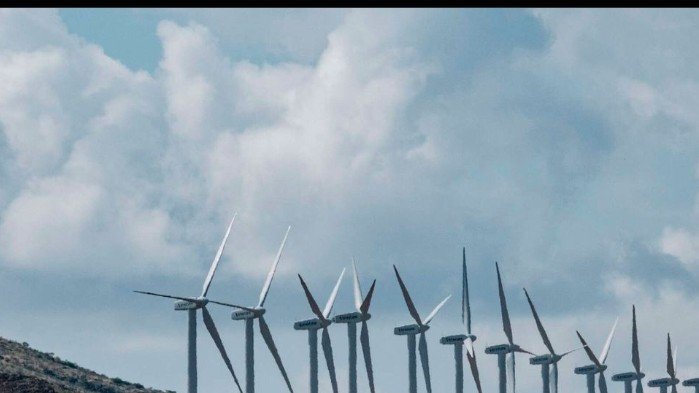
Wind power is growing in parts of the continent, with Kenya, South Africa, Egypt and Morocco among the countries investing in wind projects. However, connecting new renewable plants to national grids remains difficult where transmission networks are limited or poorly maintained.
Financing remains one of the biggest challenges facing Africa’s energy sector. Renewable projects often require large amounts of money before construction begins, while investors may face concerns about currency changes, regulations, electricity tariffs and the ability of utilities to pay for power.
The problem is also linked to infrastructure. Producing electricity is only one part of the energy system. Power must be transmitted over long distances and distributed through reliable networks. In many African countries, limited transmission capacity prevents available generation from reaching areas that need it.
Population growth and rising demand for electricity are adding pressure to existing systems. Homes, schools, hospitals, factories and businesses need dependable power for daily activities. Expanding renewable generation alongside stronger grids could help countries reduce shortages while supporting wider access to electricity.
Africa’s renewable energy challenge therefore goes beyond the availability of natural resources. Governments, investors and development institutions need to address financing, transmission, storage and technical skills. Better planning can help turn the continent’s renewable potential into electricity that reaches more people.
The continent’s energy future will depend on how effectively these challenges are addressed. Africa does not lack renewable resources. The larger issue is building the financial, technical and electricity infrastructure needed to use those resources reliably and affordably.
Comments (0)
Leave a Comment
No comments yet. Be the first to share your thoughts!