

A version of this article appeared on Bloomberg News.
Elon Musk promised that his autonomous ride-hailing vehicles would be accessible to half of the United States population, but a starkly different reality is unfolding on the ground in Texas.
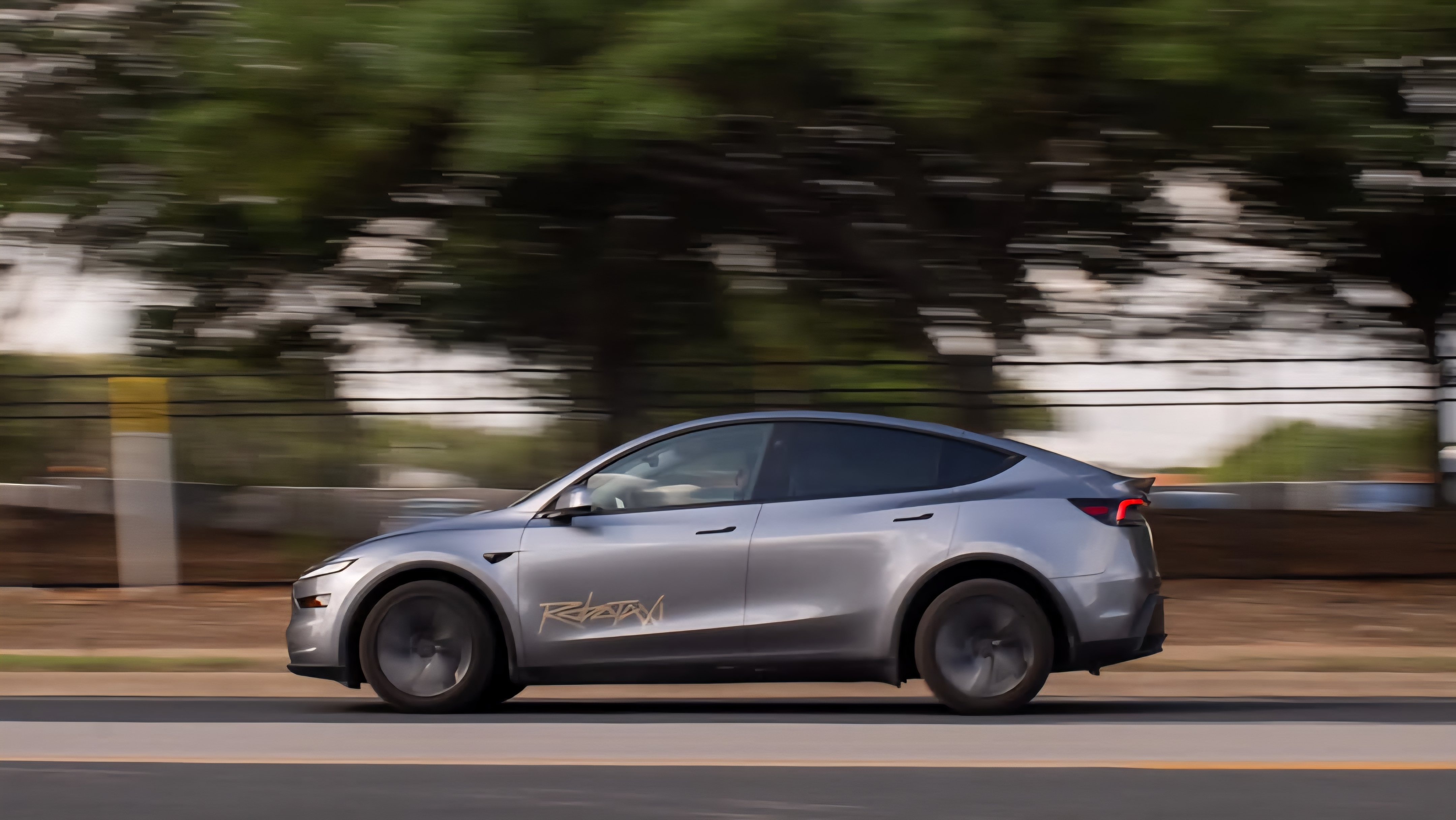
Public regulatory filings reveal that Tesla has deployed just 59 vehicles in its entire robotaxi fleet.
The service is currently restricted to three Texas cities, including Austin, Dallas, and Houston.
This small fleet size falls well short of the bearish outlook held by external market analysts, who note a decade-long pattern of overpromising on autonomous driving timelines.
Real-world testing of the service in Austin revealed immediate operational bottlenecks.
Passengers faced wait times stretching up to 30 minutes, alongside periods where they were entirely barred from booking rides through the system.
In one instance, a retrofitted Model Y vehicle arrived for a pickup but failed to start, displaying an error message that instructed the rider to contact customer support.
Additional routing issues forced passengers to walk several buildings away to reach their vehicles, even when closer, open access points were available.
The current fleet relies on Model Y cars equipped with Full Self-Driving (FSD) technology and human safety monitors.
While the company has discussed a purpose-built vehicle called the Cybercab, the existing challenges point to deep software and operational hurdles.
In past corporate earnings calls, the chief executive officer stated that autonomous vehicles occasionally get confused by atypical traffic situations, causing them to stop or drive in circles.
To expand from fewer than 60 vehicles to a broader commercial footprint, the firm faces intense pressure to improve its basic metrics of vehicle availability, routing accuracy, and system reliability.
Comments (0)
Leave a Comment
No comments yet. Be the first to share your thoughts!