

A version of this article appeared on LinkedIn.
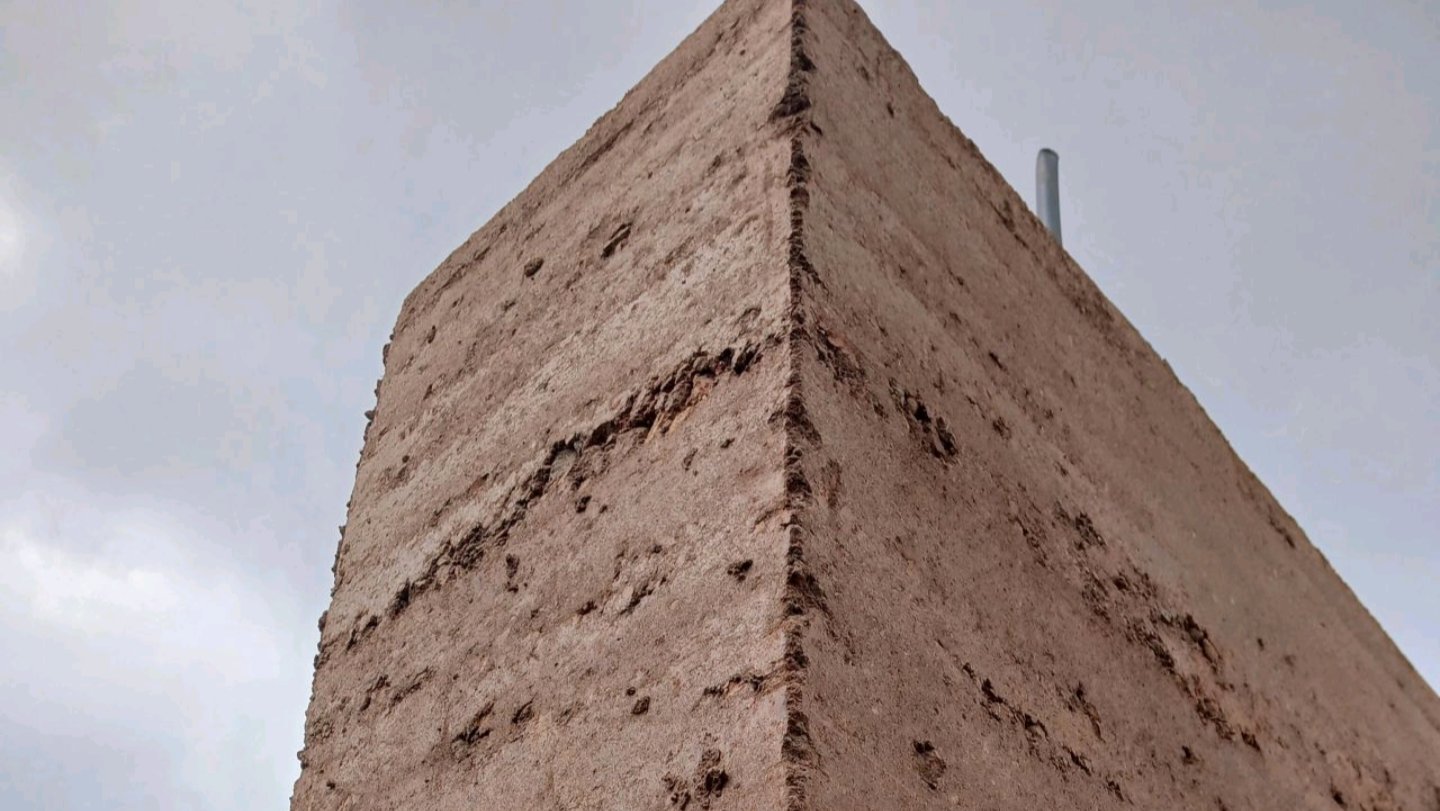
The growing interest in sustainable infrastructure has pushed traditional building methods back into the spotlight, yet structural engineers continue to face persistent questions regarding the everyday performance of earthen materials. Among the most common concerns for contractors and clients is how to prevent rammed earth walls from shedding fine particles.
Sekitoleko John Lee, a civil and environmental engineer and co-founder of Megcom Eco Build International, noted that addressing this issue requires moving away from the search for a singular topical treatment.
According to Lee, successful dust-proofing is not achieved by applying a standalone chemical product to a finished structure. Instead, preventing degradation requires a well-engineered system integrated directly into the initial material preparation and construction phases.
Long-term performance depends heavily on structural fundamentals rather than superficial coatings. Lee pointed out that successful earthen projects rely on a combination of specific construction practices:
* Proper soil selection and grading
* Adequate compaction during ramming
* Appropriate stabilization with cement or lime where necessary
* Sufficient curing time
* Good architectural detailing, especially roof overhangs
* Breathable surface treatments that strengthen the wall without trapping moisture
While chemical solutions like silicate-based densifiers perform well in reducing dust and improving surface hardness, practical field applications show that stabilized mixes enhanced with specific additives offer highly encouraging results.
The core lesson from recent project deliveries indicates that the durability of an earthen wall is decided by the quality of design, careful material selection, and rigorous construction execution, rather than coatings applied after the work is complete.
As firms continue to deliver earthen infrastructure, the objective remains centered on combining traditional building wisdom with modern engineering practices to ensure sustainable structures meet contemporary performance standards.
Comments (0)
Leave a Comment
No comments yet. Be the first to share your thoughts!