
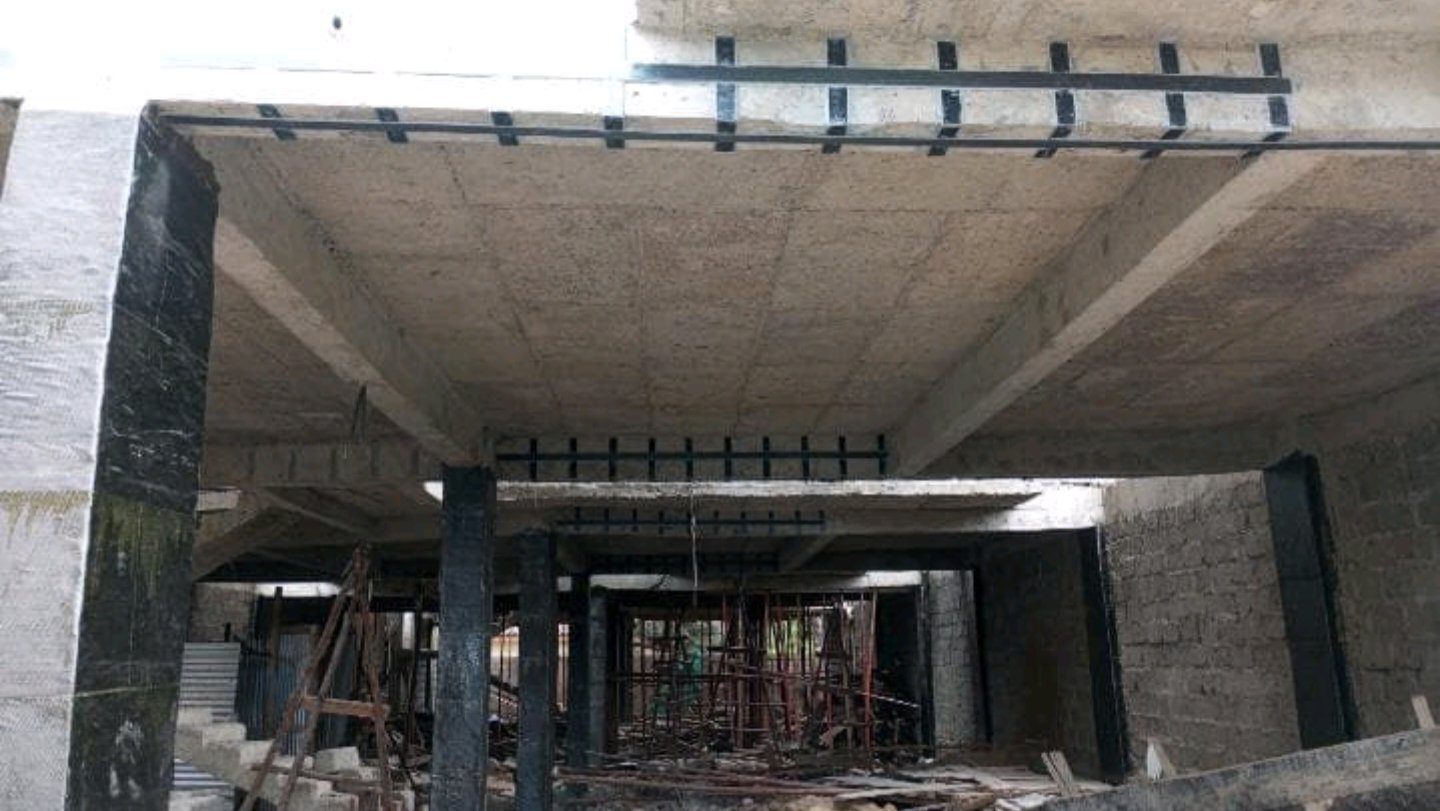

The installation of Carbon Fiber Reinforced Polymer (CFRP) laminates is gaining traction as an effective structural strengthening technique used to enhance the performance of reinforced concrete elements subjected to stress. Civil engineers and contractors are increasingly deploying these composite materials to address structural deficiencies without resorting to heavy demolition.
The process involves bonding high-strength, lightweight carbon fiber strips directly onto the surfaces of beams, slabs, or columns. This method provides targeted reinforcement, which increases load capacity and improves structural resilience. It has become a preferred alternative to traditional concrete jacketing or steel plate bonding.
Because the laminates are thin and highly durable, they add minimal dead load to an existing structure, preserving its architectural layout. This makes the system particularly viable for urban sites where space constraints and structural weight limitations restrict the use of bulkier traditional reinforcement methods.
Applying CFRP laminates requires meticulous surface preparation of the concrete substrate to ensure optimal adhesion of the structural epoxy resin adhesive. Once cured, the polymer matrix works in tandem with the existing internal steel reinforcement, effectively redistributing tension and significantly limiting crack propagation.
As older buildings face changing utilization demands, or structural aging, advanced composite solutions provide a rapid installation timeline. This specialized field continues to grow across major infrastructure developments, offering asset owners a code-compliant mechanism to extend the operational service life of critical concrete installations.
Comments (0)
Leave a Comment
No comments yet. Be the first to share your thoughts!