
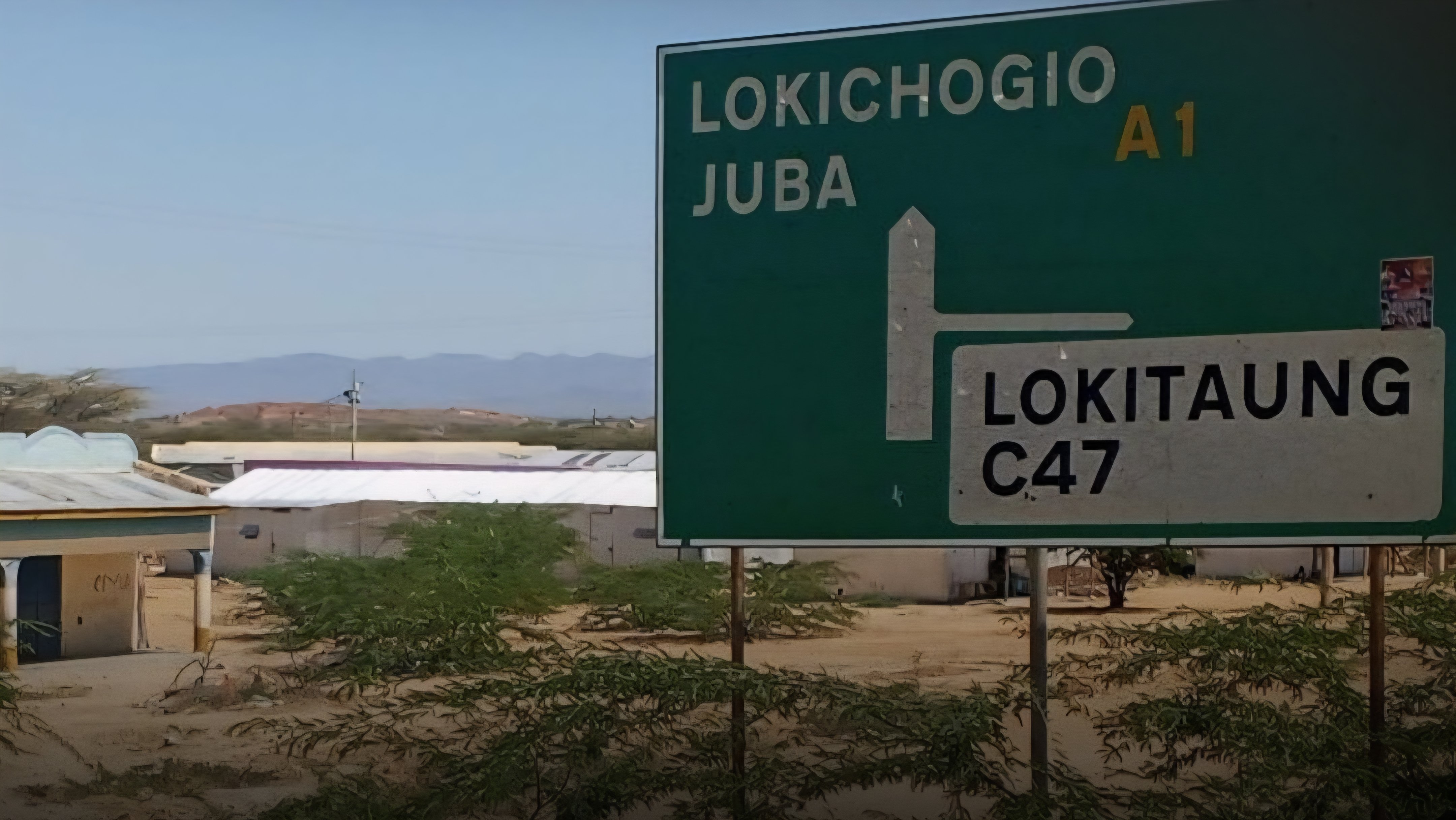

A remote junction in Turkana County is rapidly evolving from a quiet pastoral outpost into a bustling commercial center. The shift follows an intense gold rush, which attracted thousands of miners, traders, and investors to the arid region.
What was once a landscape dominated by temporary manyattas now features permanent stone structures, commercial shops, and lodging facilities. Local authorities report that the influx of capital is reshaping physical development across surrounding settlements.
At Makutano junction, where the primary transport corridor connects Kakuma to the historic town of Lokitaung, construction activity is growing steadily. Development along the Kenya National Highways Authority (KeNHA) road network has accelerated to serve expanding transit traffic.
Investors are building new hotels and eateries to accommodate incoming workers and commercial buyers. Fuel stations have also emerged along key transport routes to supply heavy trucks and passenger vehicles moving through the county.
The economic shift is driven primarily by small-scale artisanal mining, which expanded significantly across several sites in northern Kenya. Local business owners indicate that daily trade in raw gold is funding real estate projects in nearby trading centers.
Road access along County Road C47 (C47) and International Trunk Road A1 (A1) remains crucial for freight transport in the area. Improved traffic flow allows developers to move cement, timber, and corrugated iron sheets into remote sites more efficiently.
Despite the surge in building activity, infrastructure challenges persist throughout the newly formed urban hub. Local planners note that water supply systems and sanitation services remain overburdened by the rapid population increase.
Unlicensed mining pits and environmental degradation present ongoing risks to surrounding land and water resources. The National Environment Management Authority (NEMA) has repeatedly called for structured regulation to mitigate environmental hazards associated with uncoordinated excavation works.
The government previously suspended large-scale extraction at select sites to curb safety hazards and investor exploitation, but informal commercial activity continues to thrive as residents convert mining revenue into permanent physical assets.
Women entrepreneurs are playing a substantial role in this local property boom by establishing retail shops and food kiosks. Their investments have helped stabilize household incomes, while reducing dependency on traditional pastoral livelihoods during extended dry periods.
Commercial banks and microfinance institutions are paying close attention to the area as cash transactions increase. Financial service providers are now reviewing requests for mobile branches to serve traders operating near the main mining fields.
Heavy transport operators have increased scheduled trips along northern routes to deliver building supplies. Hardware dealers in nearby towns report rising demand for wall blocks, roofing materials, and water storage containers from private developers.
County officials are currently evaluating long-term spatial plans to guide future expansion at major road junctions. Proper land zoning will ensure that new commercial structures comply with basic safety standards and public road reserve guidelines.
As long as mineral extraction yields steady profits, private investment in Turkana County is expected to continue. The transformation of former rural outposts highlights how natural resource discoveries can alter local construction patterns across remote regions.
Comments (0)
Leave a Comment
No comments yet. Be the first to share your thoughts!