
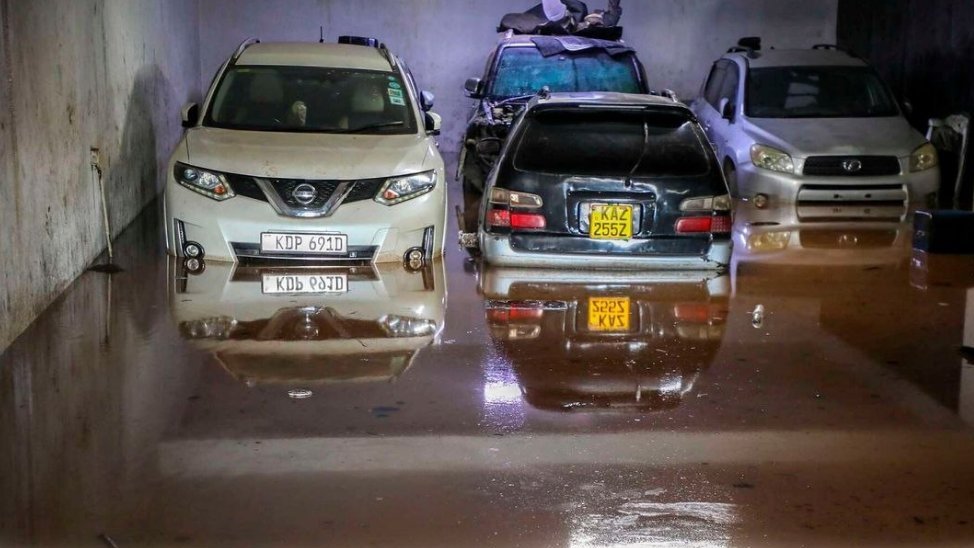

Rising frequency of severe urban flooding across Kenya is opening a specialized equipment market. Commercial property developers and municipal public works departments are rapidly acquiring industrial water-removal systems to safeguard vulnerable built infrastructure.
Recurrent heavy downpours have escalated economic losses from structural water damage. Property managers and civil works contractors now consider dedicated dewatering machinery an essential investment for maintaining operational continuity during severe weather disruptions.
Suppliers report increased demand for heavy-duty submersible pumps, mobile trash pumps, and high-volume vacuum extraction units. Private facility operators rely heavily on these systems to clear flooded basements, underground parking structures, and utility corridors.
Uncontrolled standing water severely compromises structural integrity by eroding foundation subgrades and saturating reinforced concrete elements. Prolonged moisture retention also damages subterranean electrical infrastructure, forcing extended facility closures and costly structural rehabilitation work.
Municipal authorities are simultaneously expanding their emergency fleet capacity to manage stormwater overflow. Specialized dewatering units allow engineering crews to clear inundated urban road corridors, transit terminals, and critical public utility stations rapidly.
The surge in equipment acquisition has created lucrative opportunities for machinery importers and plant hire companies. Leasing models are becoming particularly popular among small contractors who require high-capacity pumps only during peak rainy seasons.
Industry analysts note that traditional drainage infrastructure in rapidly expanding urban centers often struggles to process intense runoff volumes. Consequently, mechanical water extraction has shifted from an emergency response tactic to a standard maintenance operational requirement.
Before adopting heavy extraction units, contractors relied on basic manual drainage or low-capacity agricultural pumps. Modern high-volume dewatering technology allows engineering teams to discharge tens of thousands of liters per minute, significantly accelerating flood recovery times.
Commercial real estate developers are incorporating permanent dewatering installations directly into basement design specifications. Integrating high-capacity sump pumps and automated flood sensors helps protect underground assets, reassuring institutional investors and commercial tenants.
Insurance providers are also influencing equipment adoption rates across the sector. Underwriters increasingly mandate that large commercial properties maintain certified flood mitigation protocols, including on-site water removal hardware, to qualify for comprehensive structural risk coverage.
Technical training for equipment operation and routine pump maintenance has emerged as another growing service niche. Plant suppliers now offer comprehensive operator training to ensure civil engineering crews deploy extraction machinery safely during high-pressure emergency scenarios.
Regional equipment distributors expect demand to remain strong as climate variability continues to disrupt urban centers. Suppliers are expanding local spare parts inventories and technical support teams to service the growing fleet of deployed machinery.
The rapid growth of the water-removal market underlines a broader shift toward proactive infrastructure resilience. Investments in specialized dewatering machinery are rapidly transforming how public agencies and private developers handle urban flood vulnerabilities.
As urban development expands across prone floodplains, mechanical water control will remain pivotal. Public and private stakeholders continue to prioritize robust extraction capabilities to safeguard valuable structural assets and maintain urban economic activity.
Comments (0)
Leave a Comment
No comments yet. Be the first to share your thoughts!