
For decades, Kiambu County has presented a stark contradiction. It is celebrated as one of Kenya's most affluent regions, characterized by wealthy gated communities, modern industrial zones, and sprawling upscale malls. Yet, tucked away between these symbols of prosperity exists a shadowy network of eight little-known informal settlements. Places like Githogoro, Kiandutu, and Fort Jesus have long existed in a state of neglect, with their story largely untold amidst the county's booming development narrative. These forgotten corners are now finally turning a new page as substantial infrastructure upgrades promise to lift thousands out of decades of challenging living conditions.
Life in these settlements was historically a relentless daily struggle against the elements and insecurity. Residents of Gitambaya, previously known as Matopeni, meaning 'muddy place,' faced unbearable conditions. For instance, during the heavy rains, unpaved roads transformed into impassable, muddy rivers, causing floods and completely cutting off access to essential services and businesses. The dry season brought its own misery, with pervasive dust irritating lungs and ruining homes and merchandise for small-scale shop owners. Limited opportunities and pervasive poverty led to vulnerability, with crime and drug abuse becoming significant concerns in areas adjacent to Kiambu's most luxurious estates.
A new chapter is now unfolding through the Second Kenya Informal Settlement Improvement Project, known as KISIP II. This significant initiative is a partnership between the World Bank, Agence Française de Développement, and the County Government of Kiambu. The project has allocated approximately one billion shillings towards large-scale infrastructural upgrades across five major informal settlements within the county. The areas set to benefit include Kiang'ombe and Umoja in Thika, Matharau and Gitambaya in Ruiru, and Misri in Limuru, among others. Crucially, the transformation involves much more than simply laying down roads; it is a holistic approach aimed at transforming lives and bolstering long-term economic stability for the residents.
The tangible changes are now visible on the ground, delivering essential services that were once only a dream. Freshly laid tarmac and durable cabro paving are replacing the old dirt and mud tracks, easing movement for both residents and local businesses. Modern amenities such as integrated solar PV streetlights are being installed, effectively pushing back the years of insecurity and darkness. Water drainage systems and sewer lines are being constructed to improve sanitation and public health, significantly reducing the environmental hazards common to informal settlements. Beyond the physical upgrades, Governor Kimani Wamatangi has confirmed that the projects will be accompanied by the issuance of over seven thousand title deeds to give residents the security of tenure and confidence to invest in their homes and businesses, fundamentally empowering the community.
The economic and social impact is already profound, transforming nightly routines and daily trade. For instance, in the Umoja settlement, the installation of over forty solar-powered floodlights has extended business hours, allowing vendors to stay open late, safely serving customers until almost midnight. This improved accessibility, lighting, and drainage are enhancing security and attracting new investments to pave the way for a distinctly better quality of life. The infrastructure upgrades are finally unlocking the potential for local trade and giving residents a much-needed taste of sustainable urban renewal. These projects are restoring hope to the many who felt forgotten, providing a reason to dream again of thriving in secure and connected communities.
Infrastructure Drive In Kiambu's Forgotten Corners
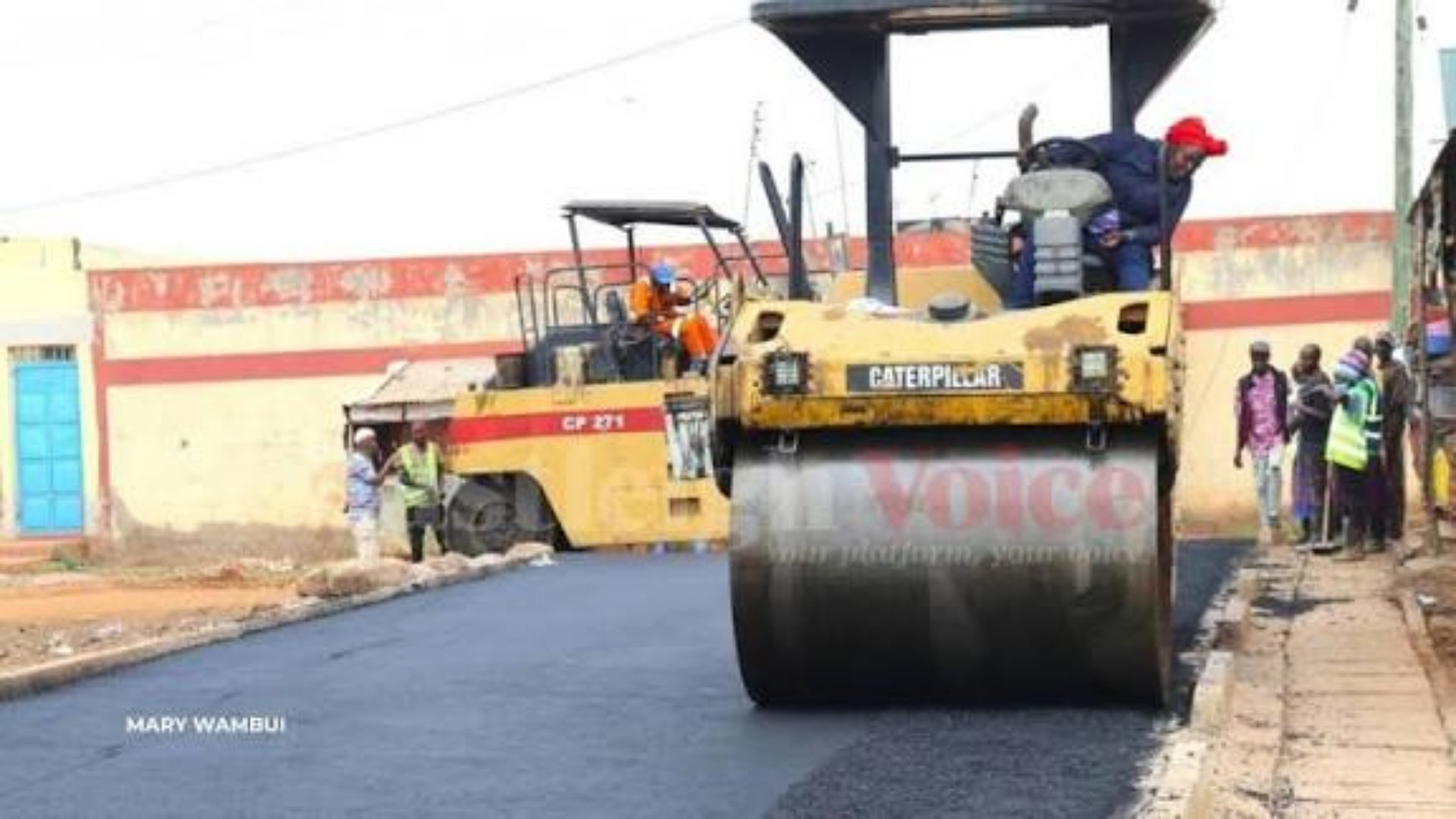
Ongoing road upgrades in Kiang’ombe slums, Thika, is transforming access within one of Kiambu’s least-known informal settlements
|
[Mary Wambui/The Eastleigh Voice]

Kiambu County, despite its affluence, has long concealed a network of informal settlements struggling with poverty and poor infrastructure. The County Government, in a partnership with the World Bank and Agence Française de Développement, are currently implementing a comprehensive transformation of these slums.
Comments (0)
Leave a Comment
No comments yet. Be the first to share your thoughts!