
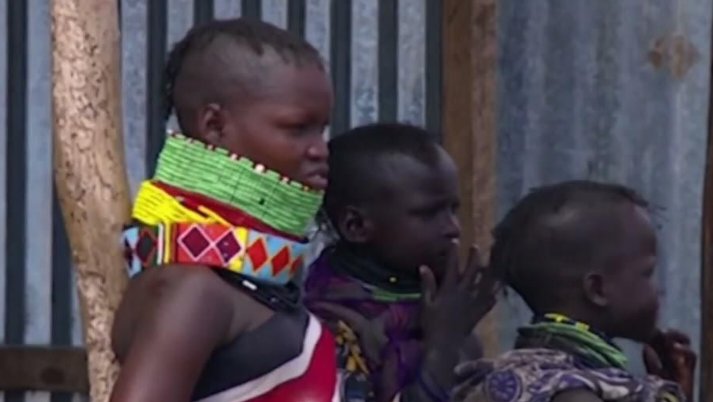

Kenya is moving forward with an ambitious strategy to transition two of the largest refugee camps on earth into permanent municipal centers. The multi-phase Shiraka Plan, which is projected to cost $943 million United States Dollars (USD), aims to phase out the camp structures at Kakuma in Turkana County and Dadaab in Garissa County.
Instead of maintaining segregated spaces, the government plans to integrate nearly 1 million refugees into local civic networks. The framework spans 11 years across three distinct implementation phases. The ultimate goal is to establish functional municipalities where refugees and host communities live together and share vital public utilities.
This infrastructure strategy relies heavily on the shared usage of roads, schools, and hospitals. It expands upon the model tested at the Kalobeyei integrated settlement, a pilot facility outside Kakuma where joint refugee and host community residency has been operational since 2016.
Dr. Mamadou Dian Balde, the Regional Director for Eastern and Southern Africa for the United Nations High Commissioner for Refugees (UNHCR), confirmed that this integration strategy represents a regional shift away from treating refugee influxes as mere temporary crises. However, severe funding shortages threaten the roll-out of the municipal integration infrastructure, as the required $943 million has not yet fully materialized from global donors.
Local concerns also persist in Turkana and Garissa regarding potential resource competition. Host communities fear that the influx of new registered residents could overwhelm schools and medical facilities that are already underfunded.
The transition also requires a massive administrative overhaul, including the issuance of official documentation. Without proper national identity cards or business permits, integrated residents cannot legally access financial tools, establish commercial operations, or fully utilize municipal services.
Comments (0)
Leave a Comment
No comments yet. Be the first to share your thoughts!