

A version of this article appeared on The Business Daily.
There is a particular kind of chaos that only urban planners fully appreciate. It is not the dramatic chaos of a building collapse, though Nairobi has had those, too. It is the slow, grinding chaos of a city where every individual decision makes perfect economic sense and the collective outcome is a catastrophe.
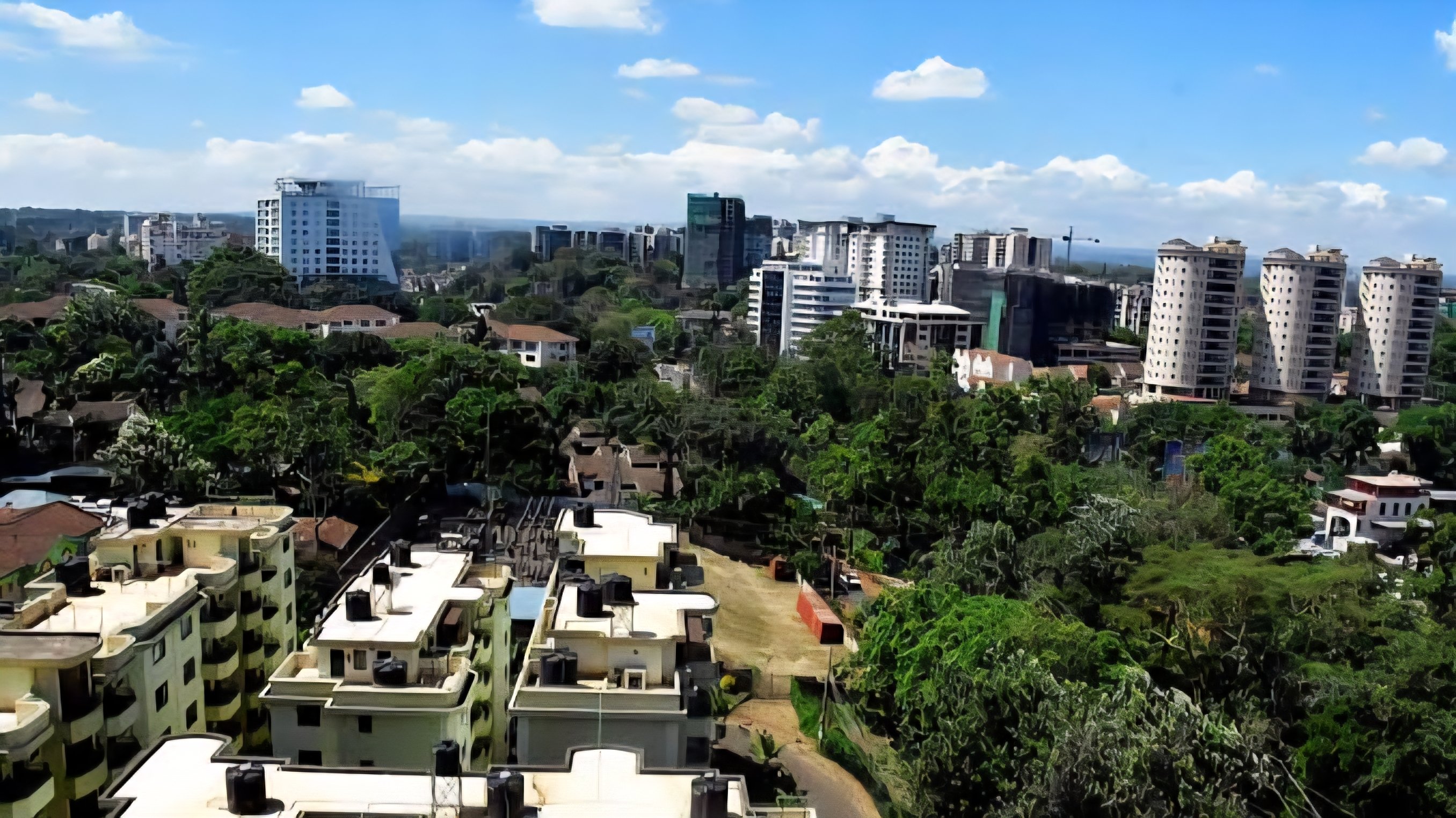
Welcome to the current state of Nairobi, where the skyline of areas like Westlands is being reshaped by high-rise developments that often ignore the underlying capacity of the city.
The disconnect between private development and public infrastructure has reached a critical point. While developers seek to maximize the value of their plots by building upward, the secondary effects on the city’s shared resources are frequently treated as secondary concerns.
This trend is visible in the dense clusters of apartments and office blocks now dominating the landscape. Each project might meet its internal requirements, but together they place a localized strain on a grid that was never designed for such intensity.
Road networks, sewerage systems, and water supply lines in these neighborhoods are struggling to keep pace with the vertical growth. When planning is treated as an afterthought, the result is a city that functions in spite of its design, rather than because of it.
For a long time, the focus has remained on the immediate economic gains of construction. However, the long-term cost of correcting a poorly planned urban environment is far higher than the cost of implementing a structured framework from the start.
Nairobi requires a shift in how it views its expansion. The current trajectory suggests that without a centralized, enforceable planning strategy, the city will continue to move toward a state of systemic inefficiency.
Public infrastructure must lead development, not follow it. When the government and planning authorities allow construction to outpace the provision of basic services, they effectively outsource the responsibility of urban management to individual homeowners and businesses.
The "slow, grinding chaos" described by Nyakundi serves as a warning for other Kenyan cities currently experiencing similar growth spurts. If the capital cannot manage its density effectively, the blueprint for national urban development remains flawed.
President Ruto has previously emphasized the need for affordable housing and organized urban centers, yet the gap between policy goals and the reality on the ground in high-density zones remains wide.
Addressing these issues will require more than just new regulations. It necessitates a cultural change within the construction sector, where the health of the entire urban ecosystem is prioritized over the immediate square footage of a single lot.
Until then, the skyline continues to grow, while the foundations of the city’s functionality are stretched to their limits.
Comments (0)
Leave a Comment
No comments yet. Be the first to share your thoughts!