

A version of this article appeared on Citizen Digital.
As darkness falls over Nairobi, the streets transform into a totally new world. While thousands of residents hurry back home after toiling and moiling in the city, many others get down to work just as the sun goes to sleep. Their job is to keep the capital running long after sunset.
From security guards and food hawkers to taxi drivers, night nurses, and club bouncers, these are the individuals who fuel the vibrant night life of the capital. They work together to power the backbone of the Nairobi economy at night, when the majority of the population is asleep.
At a busy office complex in the heart of the Nairobi Central Business District (CBD), security guard James Mwangi starts his 12-hour shift at 5 p.m. Armed with a club, a flashlight, and many years of experience, Mwangi patrols the premises ensuring the property remains safe.
He has been a guard for 10 years, and notes that the real work begins at night when everyone else has gone home to rest. Mwangi shares that it is refreshing to know people can sleep peacefully because their businesses are protected, which gives him a sense of pride.
A few metres away, the smell of hot coffee fills the air. Street food vendor Harrison Onjiko serves night-shift workers hot coffee to warm their bellies, operating a small mobile tea stand that comes alive after sunset and remains open until the arrival of dawn.
This business is best at night, according to Onjiko, who relies on the late-night clientele to support his family and take his two children to school.
Transport is yet another important component of the nighttime economy in Nairobi. Phanuel Kamau spends most of his nights moving around the city, transporting people to their workplaces, hospitals, hotels, lodging areas, entertainment spots, and homes.
According to Kamau, this big city never really sleeps, and riders help people to move around safely because there are no public transport vehicles at night.
Healthcare professionals also play an important role at night, making sure that the sick and the injured are attended to and kept alive. The same requirement applies to ambulance drivers, who have to stay awake just in case their services are needed.
Maureen Wanjiku, a nurse at a private health facility in Nairobi, notes that diseases and emergencies can occur at any time. She points out that a lot of emergencies actually occur at night, when many are asleep.
There are many others in various professions whose efforts silently help to power Nairobi through the night, ensuring that the capital maintains the momentum of a 24-hour economy.
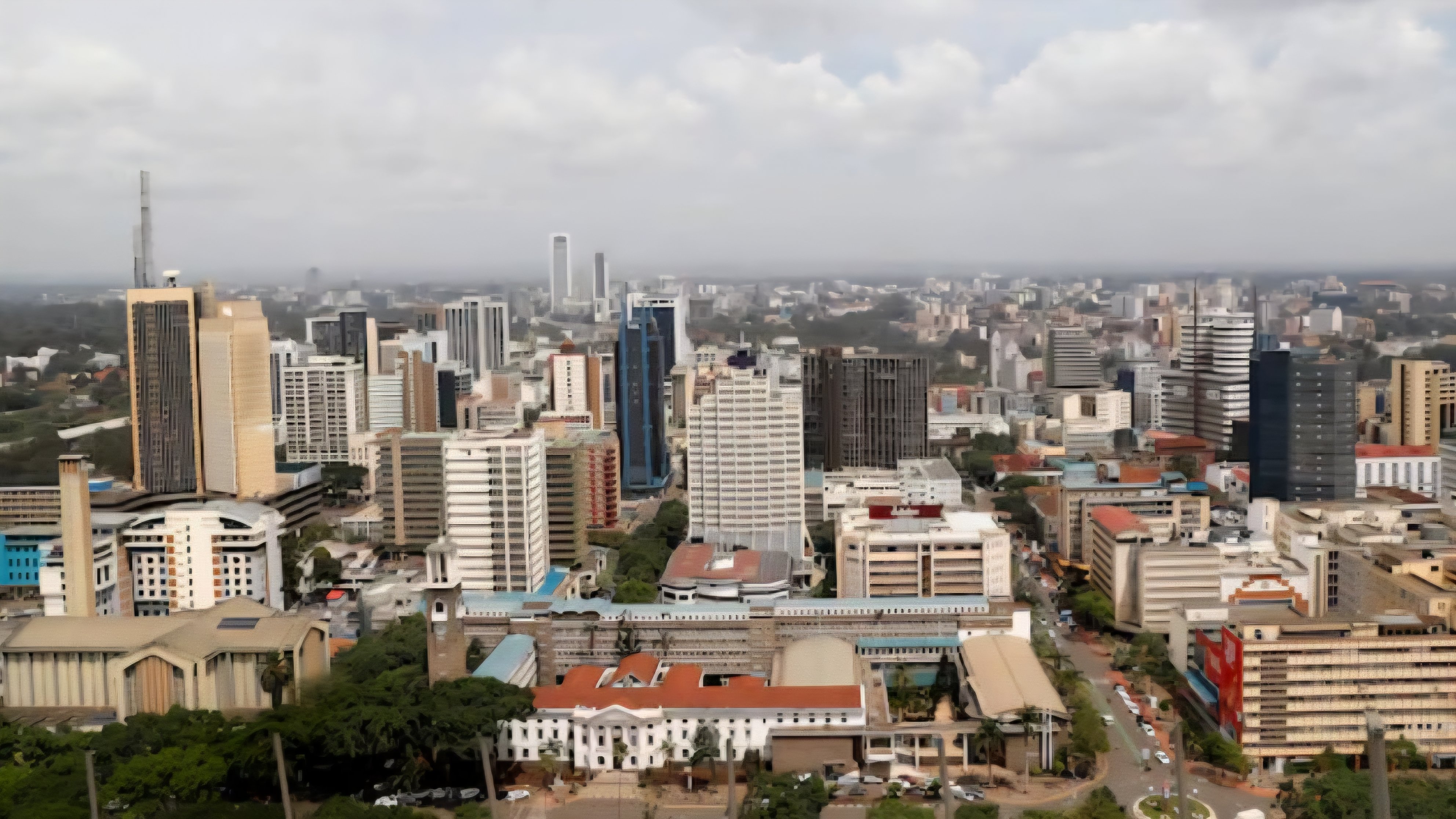
The dense layout of commercial buildings and public infrastructure that these night shift workers protect and serve until sunrise is quite evident.
Comments (0)
Leave a Comment
No comments yet. Be the first to share your thoughts!