
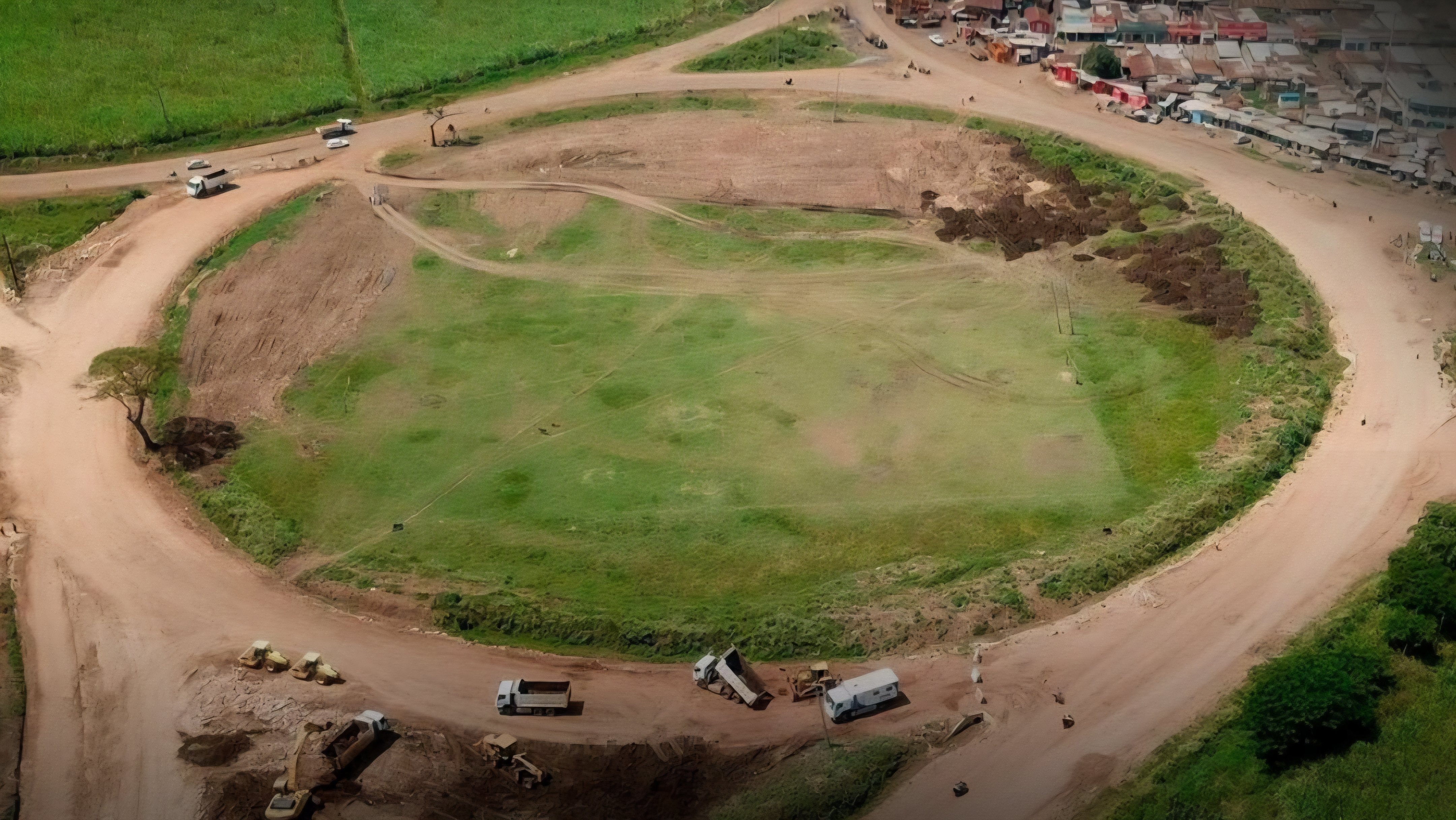

Construction activity has intensified along the Mamboleo-Miwani-Chemelil-Muhoroni-Kipsitet road, a 122-kilometre corridor that serves as the primary artery for Kenya's western sugar belt. The Kenya National Highways Authority is overseeing the Sh15.7 billion project, which has seen renewed momentum following the resolution of previous funding bottlenecks that had stalled progress for several years.
The project is divided into three distinct lots to expedite delivery. China Railway No. 10 Engineering Group is handling the 33.9-kilometre stretch from Mamboleo Junction to Miwani, valued at Sh5.2 billion. The second section, covering 43.4 kilometres between Miwani and Chemelil, is being executed by a joint venture between Sinohydro and Grageb Agencies at the cost of Sh4.96 billion. The final 44.7-kilometre lot, connecting Chemelil to Kipsitet, is under the management of H. Young EA Ltd, with a contract value of Sh5.7 billion.
The road works coincide with a significant shift at the Chemelil Sugar Company. After a prolonged period of dormancy characterized by mounting debt and obsolete machinery, the factory has officially resumed operations. The revival is part of a broader government leasing strategy, which has seen the mill handed over to the Chatthe Group for private management.
Initial reports indicate the factory is currently operating at approximately half of its 3,500 metric-tonnes-per-day capacity. Engineers on-site have successfully rehabilitated three of the four boilers, and the plant has begun crushing cane for the first time in years. This operational restart is critical for the local economy, as over 80 percent of the former workforce has reportedly been reabsorbed under new contracts.
For years, the dilapidated state of the road network forced motorists and sugarcane transporters to use the longer Kericho-Kisumu route through Ahero. This detour added significant logistics costs and contributed to post-harvest losses for farmers. The ongoing reconstruction, which includes widening the road to Class-II bitumen standards and adding 2-metre shoulders, is expected to reduce travel times and vehicle maintenance costs once completed.
Government officials, including Interior PS Raymond Omollo and Agriculture PS Kipronoh Ronoh, have recently toured the site to monitor progress. The state has directed millers to establish five-year blueprints to ensure long-term sustainability and to reduce the national reliance on sugar imports. For the residents of Chemelil, the simultaneous return of the mill’s smoke and the arrival of heavy earthmoving equipment offer a tangible sign of recovery.
While some sections of the road have faced delays, contractors are now focused on grading, drainage, and laying base layers across all three lots. The completion of this corridor is viewed as a necessity for the survival of the sugar industry, providing the logistical reliability needed to transport cane from the fields to the newly modernized factory.
Comments (0)
Leave a Comment
No comments yet. Be the first to share your thoughts!