

The dusty horizon of Lokichar, a town that has become synonymous with Kenya's nascent oil industry, is once again at the center of a complex negotiation between local needs and national energy ambitions. As preparations for the next phase of the South Lokichar oil project move forward, the community is voicing a clear set of priorities that must be addressed before heavy machinery returns to the site.
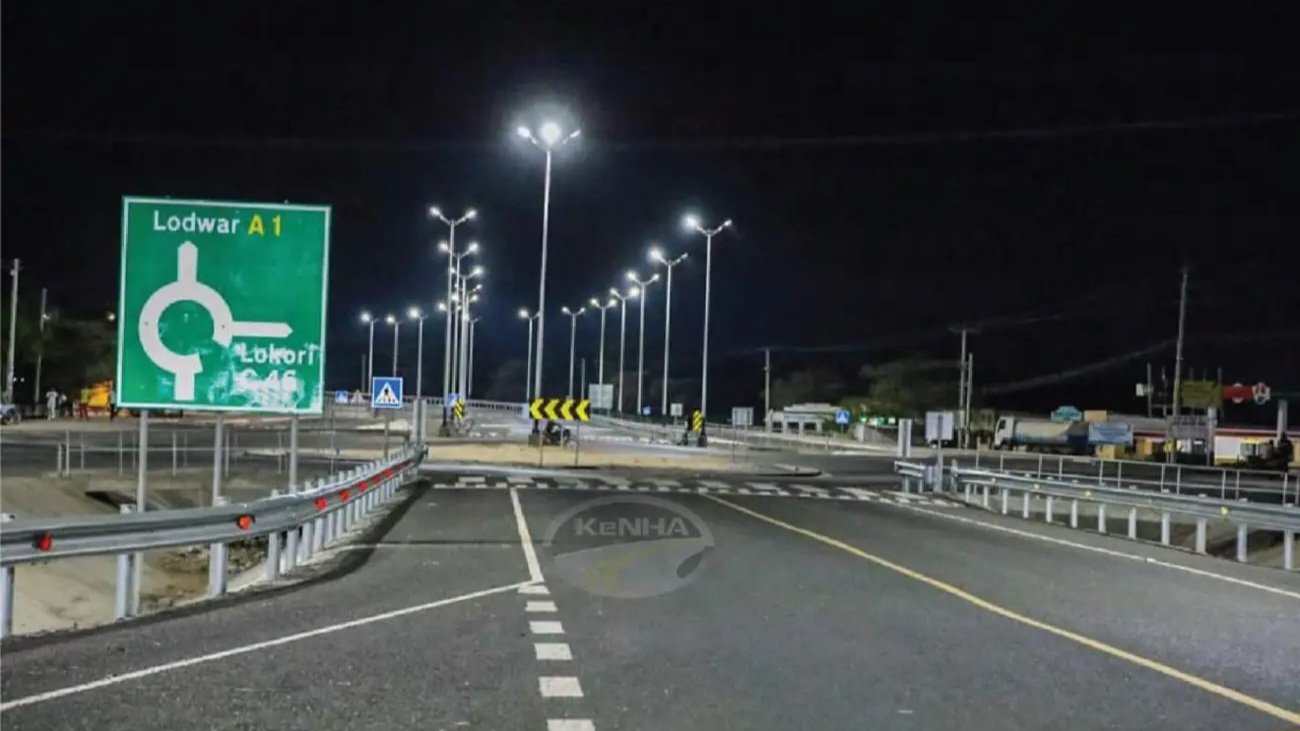
For the people living in this arid stretch of Turkana County, the arrival of international oil firms has brought visible changes to the town center. Tarmac roads now cut through the landscape, and streetlights illuminate the main thoroughfares at night, which is a stark contrast to the surrounding rural areas. However, these infrastructure developments have not yet solved the most fundamental crisis facing the region, which is the lack of clean and accessible water.
The disconnect between the high-value petroleum resources beneath the soil and the daily struggle for hydration above it has created a tense atmosphere. Local leaders and residents have pointed out that while the oil project requires significant quantities of water for its own technical operations, nearby villages continue to rely on seasonal riverbeds or distant, unreliable boreholes.
Community spokespersons have made it clear that their cooperation is tied to the completion of the Kapese Integrated Water Project. This initiative was designed to pipe water from high-yield boreholes to the residents of Lokichar and its environs, but progress has been slow. The demand is that if the government and the joint venture partners want a smooth environment for construction and extraction, they must first ensure that the "first drop" of oil is preceded by a consistent flow of water for the people.
Security remains another critical pillar of the residents' demands. The South Lokichar Basin sits in a region that has historically struggled with cattle rustling and occasional banditry. The influx of high-value equipment, foreign personnel, and a transient workforce has heightened fears that the area could become a target for criminal elements.
The local administration has been urged to increase the presence of police units and to integrate community-based security strategies into the project’s operational plan. Without a stable environment, the logistics of moving crude oil by road or pipeline become a high-risk endeavor. The memory of previous disruptions, although often sparked by labor disputes, serves as a reminder that the social license to operate is fragile.
From a construction perspective, the upcoming works involve significant civil engineering challenges. The plan includes the development of well pads, a central processing facility, and the initial stages of a heated pipeline that will eventually transport the waxy crude to the port of Lamu. These projects require massive man-hours and specialized technical skills, many of which the local community hopes to provide through vocational training programs.
However, the skepticism remains high. Past promises of "trickle-down" benefits have left many feeling sidelined. The residents are now pushing for more transparent hiring practices and a larger share of the subcontracting opportunities for local firms. They argue that if the project is to be truly transformative, it must build more than just oil wells; it must build a sustainable local economy.
The Ministry of Energy and Petroleum has recently signaled its intent to fast-track the project, but the ground reality in Turkana suggests that technical timelines must align with social commitments. The development of the oil blocks is not just an engineering feat, but a socio-economic test for the Kenyan government.
As the sun sets over the Lokichar-Kapenguria road, the heavy trucks that occasionally rumble past are a reminder of what is at stake. The oil project represents a multi-billion shilling investment that could shift Kenya’s economic trajectory, but, for the mother carrying a jerrycan five kilometers to the nearest well, the value of that oil is measured solely by whether it can finally bring water to her doorstep.
Comments (0)
Leave a Comment
No comments yet. Be the first to share your thoughts!