

Kenya and Tanzania are renewing efforts to connect their Standard Gauge Railway (SGR) networks with neighbouring landlocked countries, as both countries look for ways to finance costly regional railway projects.
The renewed push comes as Kenya has restarted construction of its western SGR extension, while Tanzania is extending its network towards the western part of the country.
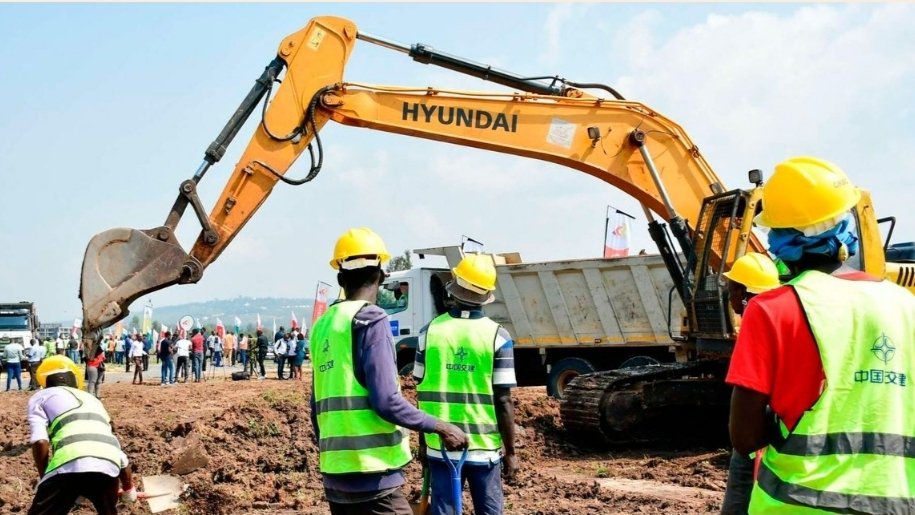
Kenya broke ground in July on the Naivasha-Kisumu-Malaba SGR project, six years after the extension stalled. Once completed, the line will reach Malaba on the Ugandan border, bringing Kenya's SGR network to Uganda's doorstep.
Kenya hopes to complete the Malaba section by June 2027. However, civil works on the extension from Naivasha have yet to begin, with Kenya Railways saying land acquisition activities are still pending.
The project is being financed differently from the original Mombasa-Nairobi-Naivasha SGR. Kenya plans to securitise revenue from the Railway Development Levy (RDL), using up to 90 per cent of collections to back bonds for the railway extension.
The government expects the arrangement to mobilise up to KSh390 billion for the SGR extension to Kisumu and Malaba. The approach reflects Kenya's broader shift towards alternative financing models, including securitisation and public-private partnerships.
Tanzania is pursuing its own western expansion. At the end of July, the country began extending its SGR from Dodoma towards Kigoma, on the shores of Lake Tanganyika.
Tanzania is also considering a Tanga-Musoma railway, which would extend the country's network towards Lake Victoria. The proposed line would bring the Tanzanian SGR closer to Uganda, Rwanda and Burundi.
Tanzania's Finance Minister Khamis Mussa said the country was considering the Tanga-Musoma line alongside another proposed railway linking Mtwara and the inland port of Mbamba Bay, which would serve Malawi and Zambia. No timeline has been given for the Tanga-Musoma project.
The scale of the planned regional network means financing remains a central issue. Tanzania's minister acknowledged that Kenya and Tanzania would carry much of the investment burden because their railway sections are considerably longer than those required from some of their neighbours.
Kenya's western extension is expected to connect with Uganda's planned Malaba-Kampala SGR. Uganda is seeking KSh62 billion through a Shariah-compliant Sukuk bond to finance its 272-kilometre railway from Malaba to Kampala.
Uganda is also planning a southern railway corridor from Bihanga to Mirama Hills on the Rwandan border. That line would eventually provide a connection between Uganda's railway network and Tanzania's SGR.
If the planned sections are completed and connected, East Africa would have railway routes linking the Indian Ocean ports of Mombasa and Dar es Salaam with Uganda, Rwanda and Burundi.
The development could also give importers and exporters more than one rail-linked route to the coast. Cargo moving through the region could potentially access either Mombasa or Dar es Salaam depending on the available railway and port connections.
The two ports would therefore form competing gateways for the expanding regional SGR network. Mombasa has been described as having greater cargo-handling capacity, while Tanzania is developing additional routes through Tanga and its western railway network.
For Kenya, the immediate focus remains the western extension from Naivasha to Kisumu and Malaba. For Tanzania, the network is expanding westwards from Dodoma while proposals are being considered for additional links towards Lake Victoria and the southern African region.
Together, the projects point towards a much larger regional railway system, but the connections will depend on countries completing their respective sections and securing the financing required to build them.
Comments (0)
Leave a Comment
No comments yet. Be the first to share your thoughts!