
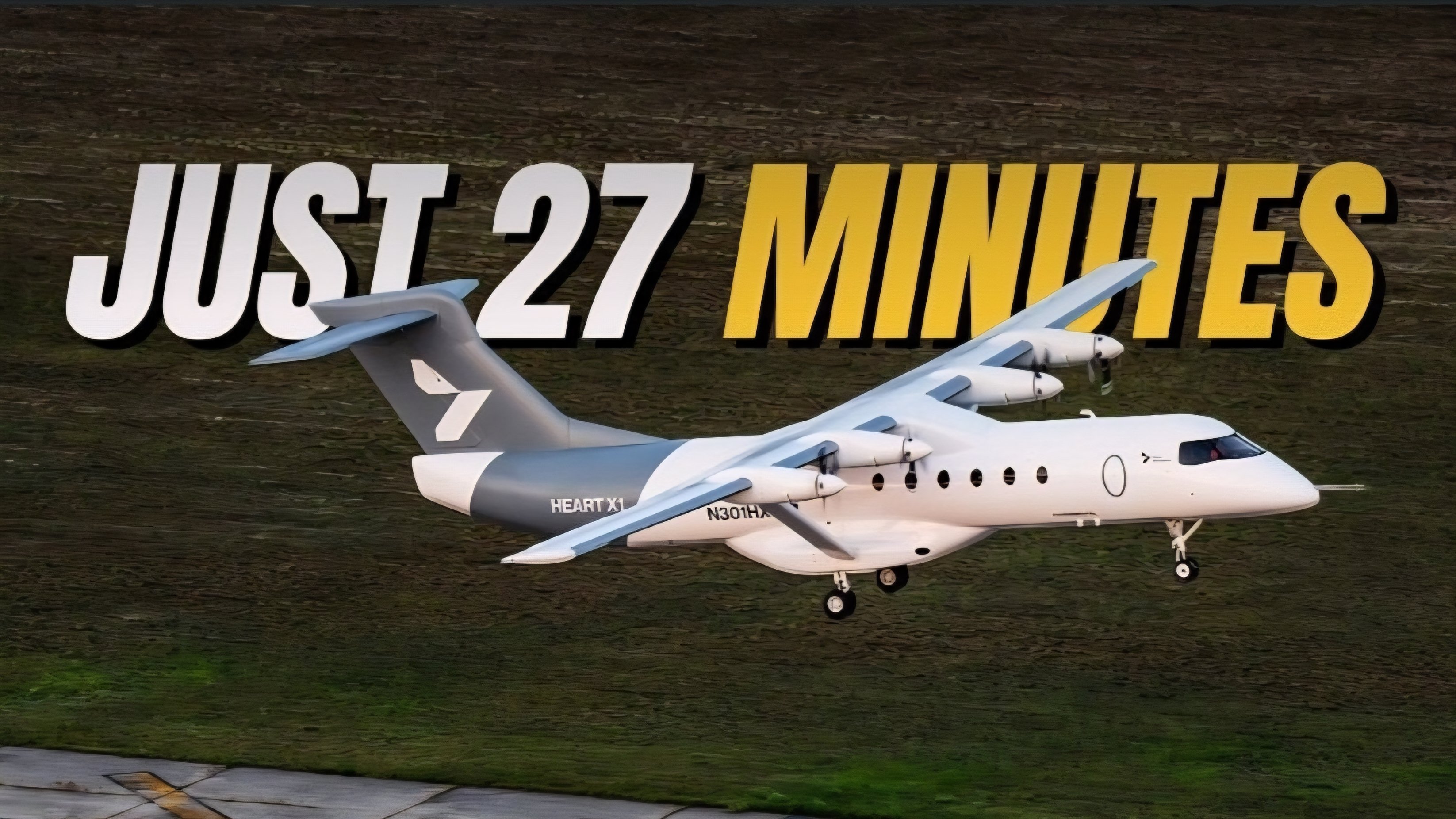

Recent developments in electric aviation are highlighting two distinct technical paths for zero-emission flight. Heart Aerospace completed a 27-minute test flight with the largest battery-electric plane ever built, using roughly $5 worth of electricity while requiring a conventional runway.
In Guangzhou, XPeng aviation subsidiary Aridge opened a manufacturing facility designed to produce 10,000 flying cars annually that require no runway infrastructure. These parallel advances showcase the technical differences between fixed-wing regional aircraft and electric vertical takeoff and landing (eVTOL) designs.
Battery energy density remains a primary engineering challenge holding back widespread deployment. Standard aviation turbine fuels offer far higher energy by weight than current lithium-ion cell formulations. Because batteries do not lose weight during flight like liquid fuel, aircraft designs must balance payload capabilities against heavy power packs.
Fixed-wing models rely on wings to generate aerodynamic lift during forward motion. This mechanics allows them to operate efficiently over longer regional distances, though they depend on existing airport runways.
By contrast, vertical takeoff models utilize distributed electric propulsion systems to hover and transition into forward flight. Eliminating the need for runway facilities opens potential urban transport uses, but hovering requires high energy discharge during launch and landing phases.
Manufacturing facilities like the Aridge plant indicate that scaling production is now underway alongside flight testing. Industry engineers continue working through cell chemistry constraints and structural weight limits as both fixed-wing and vertical takeoff designs move toward commercial operation.
Comments (0)
Leave a Comment
No comments yet. Be the first to share your thoughts!