
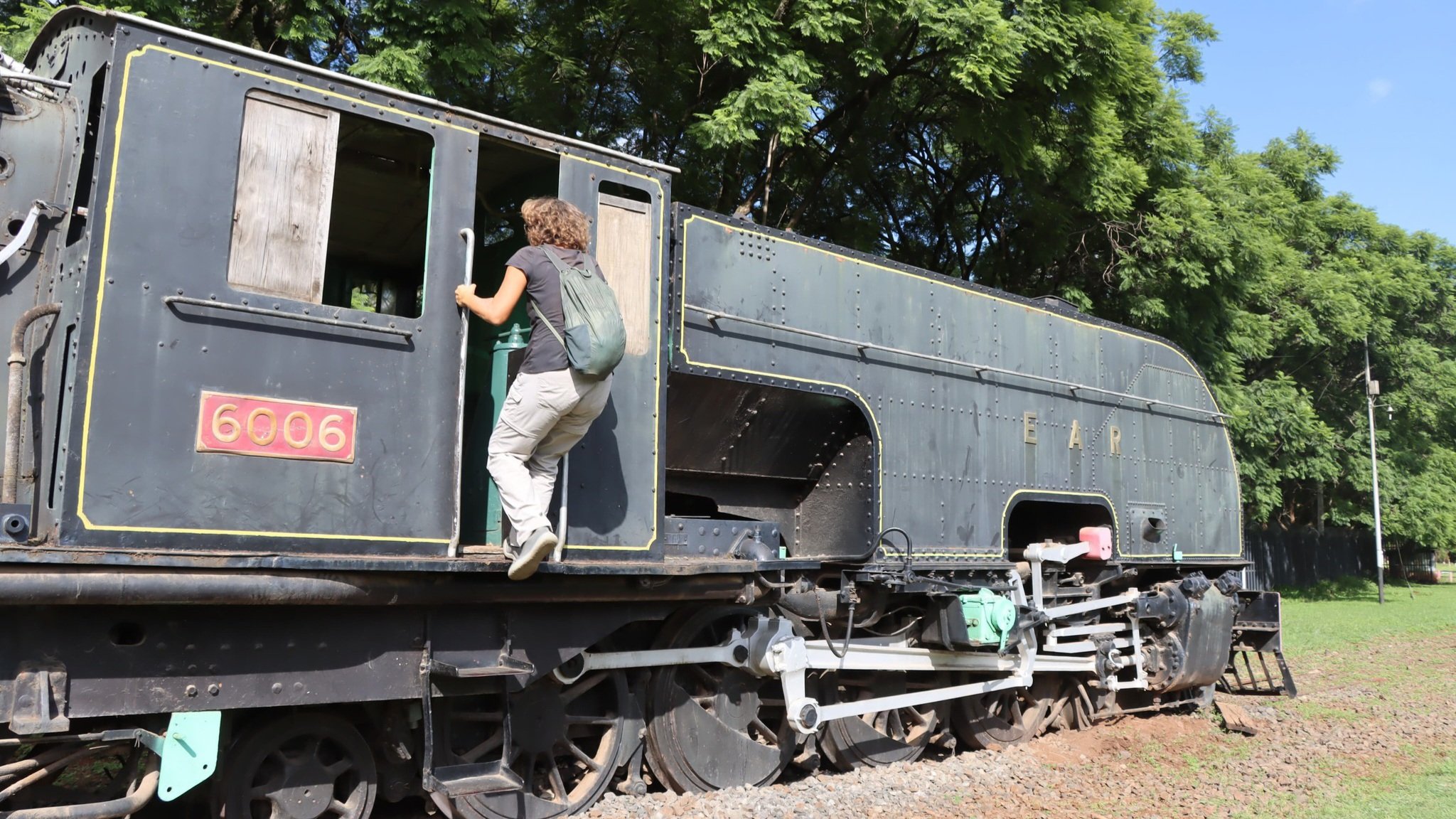

The Nairobi Railway Museum continues to operate on its standard seven-day schedule, providing a fixed point of historical reference as the surrounding landscape of Nairobi’s central business district undergoes a massive structural overhaul. Located off Station Road, the museum remains accessible to the public from 8:00 AM to 5:00 PM daily, including public holidays.

This continuity comes as Kenya Railways moves forward with the Sh30 billion Nairobi Railway City project. The multi-phase redevelopment is designed to regenerate 425 acres of railway land into a modern transit-oriented hub. Recent activity in the vicinity has included land clearing near the Nyayo Stadium station to facilitate the construction of a multi-modal transit facility. This new hub is intended to integrate the existing commuter rail network with the planned Bus Rapid Transit system, a critical component of the Nairobi Integrated Urban Development Master Plan.

While the wider area is being prepared for new commercial spaces and approximately 10,000 residential units, the museum’s role as the primary custodian of East Africa’s rail heritage is being emphasized. The facility houses a significant collection of artifacts from the defunct East African Railways and Harbours Corporation, which originally established the museum in 1971.
The outdoor yard features an extensive array of rolling stock, including Beyer-Garratt articulated locomotives and the specialized Mountain class engines. These machines were historically significant for their ability to haul heavy loads across the steep gradients of the meter-gauge track. Among the most notable exhibits is Locomotive 301, a steam engine built in 1923 that remains a focal point for visitors interested in the early technical challenges of the Uganda Railway.
Engineers and urban planners involved in the Railway City project have noted that the redevelopment will prioritize improved pedestrian access and public realms. Phase one of the masterplan focuses on the central station and the surrounding infrastructure, with the goal of increasing the efficiency of the metropolitan rail network.
Inside the museum’s main gallery, records and blueprints provide a technical history of the "Iron Snake" construction. The collection includes original station furniture, vintage signage, and specialized equipment such as motorized railway bicycles. These exhibits detail the evolution of rail transport from the late 19th-century colonial projects to the current operational framework of the Kenya Railways Corporation.
As construction work on the SGR extension to Malaba is scheduled to commence in early 2026, the museum serves as a bridge between the historical meter-gauge era and modern high-capacity rail infrastructure. Officials have indicated that the museum’s physical connection to the main Nairobi station is being maintained, allowing for the movement of exhibits for maintenance and the occasional operation of heritage steam locomotives for excursion tours.
The state corporation has reiterated that the museum remains an affordable and accessible destination for the public during this period of urban transformation. The facility continues to offer both guided and self-guided tours, focusing on the engineering feats and social history that shaped the development of Nairobi from a simple railway depot into a regional capital.
Comments (0)
Leave a Comment
No comments yet. Be the first to share your thoughts!