
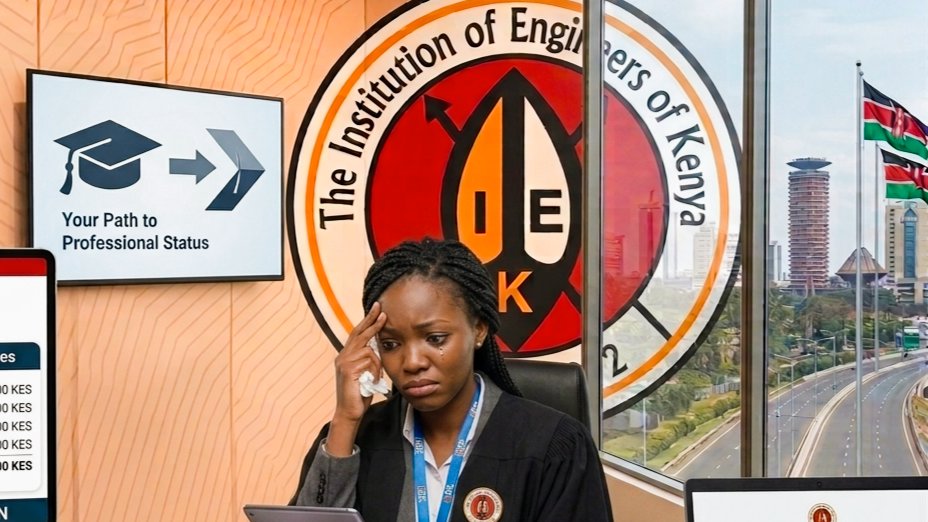

The Institution of Engineers of Kenya applies several charges beyond the basic annual subscription on its official fees structure. For graduate members, the annual subscription stands at KSh2,000, with a plot levy of KSh1,500 and a special levy of KSh3,000 added. A development fund contribution of KSh1,000 also appears, while new applicants pay an application fee of KSh1,500, bringing the initial total near KSh9,000.
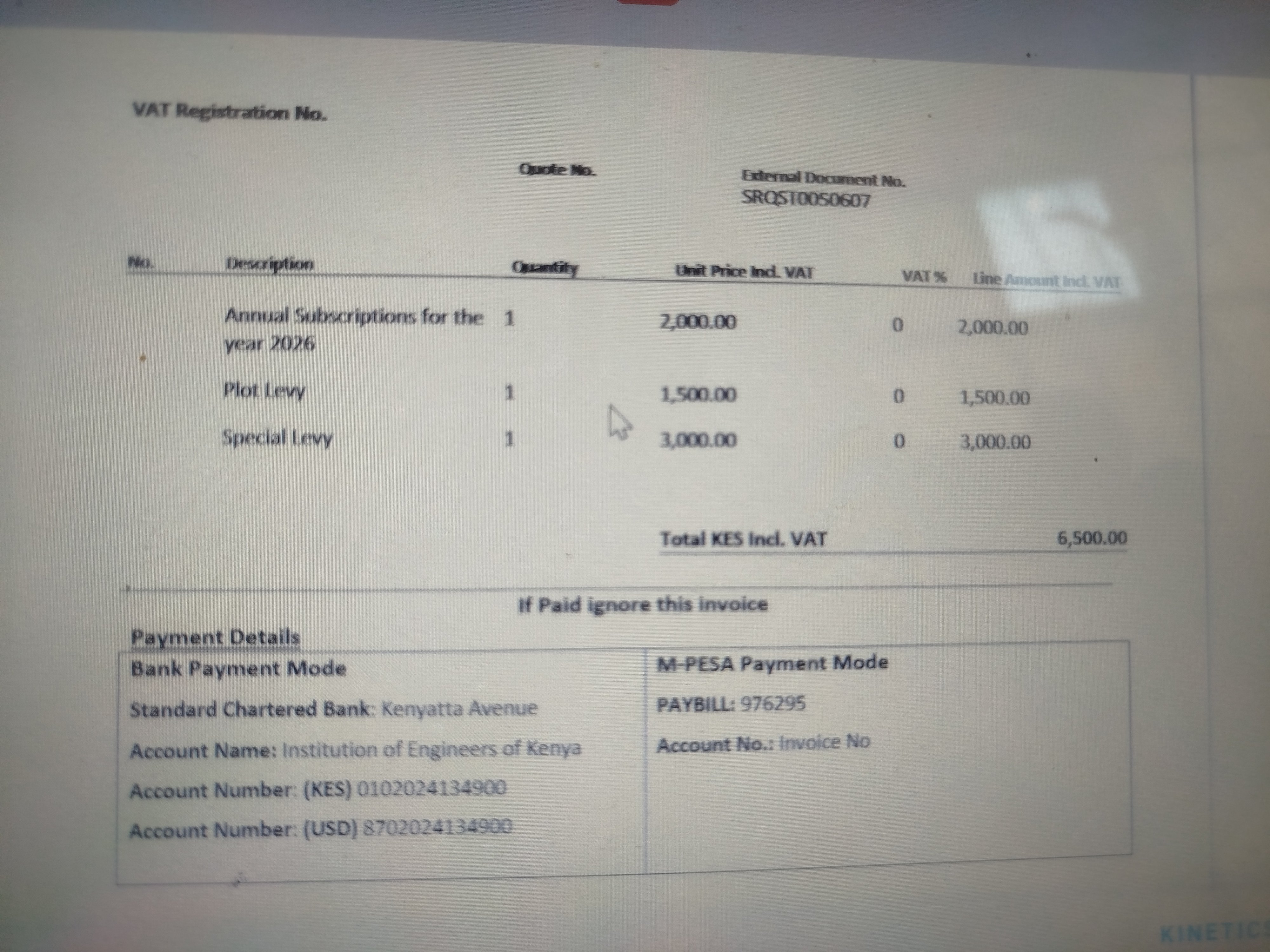
These payments feature across membership categories. Corporate members pay KSh5,000 annually while fellows pay KSh10,000. The extra levies stay the same regardless of grade. The institution urges settlement early each year.
The plot levy supports acquisition and development of the institution’s physical assets, primarily toward purchasing land and building a permanent Engineers House headquarters. IEK has long operated from rented spaces and views member contributions as an investment in owning its own premises. Discussions with partners such as Konza Technopolis have explored related land options.
The special levy funds strategic activities outside the regular budget, including legislative advocacy, promotion of the engineering profession to government, and international representation through bodies like the World Federation of Engineering Organizations. It helps address emerging issues such as updates to scales of fees or policies affecting engineers’ welfare.
Engineers often question these levies because official explanations remain brief. The combined cost surprises many young graduates early in their careers.
Active membership draws ongoing concern. Committee documents target higher percentages in good standing. One concerned member urged the membership committee to revise approaches and find alternatives to lift active members from around 33 percent to about 85 percent. Reminders and outreach support retention efforts.
The IEK represents professionals in civil, mechanical, electrical and other disciplines. It works on standards, policy and development. Membership aids registration with the Engineers Board of Kenya and infrastructure discussions, yet fees surface as a possible barrier.
Graduate intake grows yearly after university programmes. The institution has waived some application fees to encourage joining, but recurring charges demand commitment.
Benevolent funds operate voluntarily via M-Pesa for welfare support. Medical options have also been promoted.
The IEK runs membership systems and reminder processes under its 2024-2029 strategic plan to grow numbers and participation. Revenue funds operations and events. To address retention challenges, the institution needs to consider payment staggering as one solution, allowing members to spread dues over several instalments rather than paying the full amount upfront. Other ideas include enhanced communication on levy usage and targeted outreach to inactive members.
New engineers balance IEK dues with board licensing. Costs can weigh on modest starting salaries. Talks sometimes focus on clearer reporting of levy use to improve willingness to pay.
No levy changes appear for the current cycle. The fees page shows the same figures. Clarification comes via secretariat channels.
With Kenya advancing infrastructure, strong IEK engagement matters. Questions on plot and special levies linger as members seek better understanding of their role.