
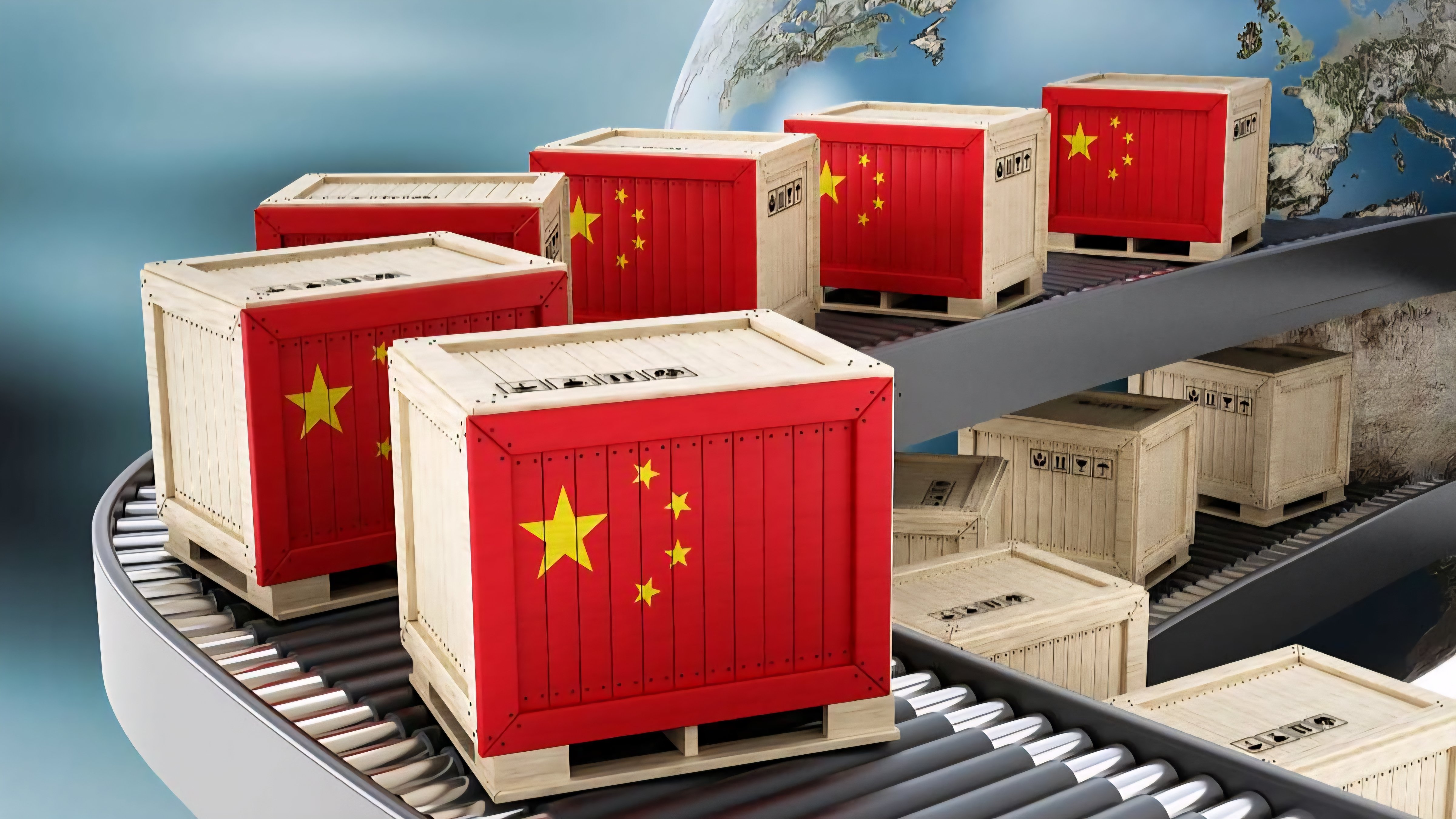

Latin American steel producers are urging regional governments to implement coordinated trade defense mechanisms as the influx of cheap steel from China reaches record levels. According to data released by the Latin American Steel Association (Alacero) during its most recent summit in Cartagena, imports accounted for 40.3% of the region's steel consumption in late 2025. This figure represents the highest level on record for the industry.
The surge is largely attributed to China's persistent oversupply, which is being redirected toward Latin American ports following the implementation of strict tariffs in the United States and Europe. While domestic demand for building materials remains stable in several major economies, local mills are struggling to compete with imported products that are often sold below production costs.
In Brazil, the region's largest crude steel producer, the industry has warned of a potential collapse if current trends persist. The Brazilian government has already responded by implementing a 25% tariff on several steel categories, which is set to remain in place through 2026. However, industry executives argue that these measures are often undermined by special tax regimes and exemptions that bring the effective tariff rate down to roughly 7.2%, far below the levels seen in other global markets.
The situation has already led to significant industrial shifts. In Chile, the Huachipato steel plant, formerly the country's largest, was forced to cease operations in August 2024 after years of financial losses linked to import competition. Alacero estimates that roughly 1.4 million direct and indirect jobs across the regional value chain are now at risk as manufacturing capacity erodes.
Mexico has taken some of the most aggressive steps in the region to counter the trend. The administration recently approved a sweeping package of tariffs ranging from 25% to 50% on more than 1,400 imported products, including 249 categories of steel. These protections are intended to stabilize a domestic industry that supports an estimated 320,000 jobs.
In Argentina, the downturn is compounded by a broader decline in economic activity. The Metalworkers' Union reported the loss of approximately 20,000 jobs since late 2023, citing both the influx of Chinese material and a reduction in demand from the automotive and construction sectors. While imports of Chinese steel in Argentina exceeded $248 million by October 2025, the local industry continues to operate with significant unused capacity.
Looking toward the remainder of 2026, steel producers are advocating for a shift from "soft" quotas to "hard" quotas and definitive anti-dumping duties. Brazil's foreign trade secretariat recently concluded an investigation into pre-painted steel from China and India, resulting in five-year tariffs. Similar probes into cold-rolled coils and wire rod are expected to conclude in the coming months, signaling a broader regional move toward protectionist trade policies.
Comments (0)
Leave a Comment
No comments yet. Be the first to share your thoughts!