
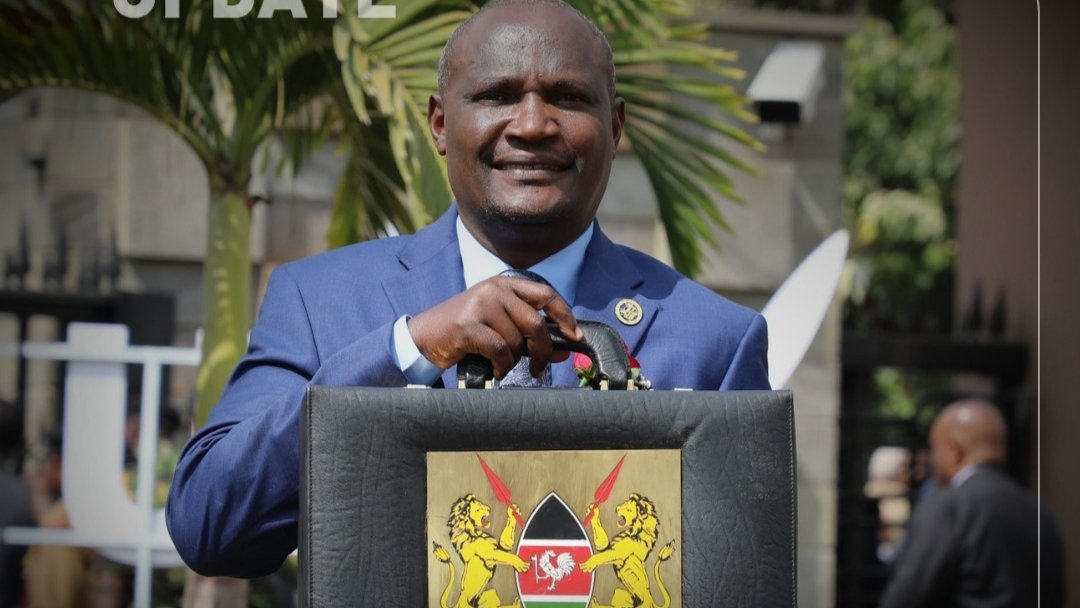

Treasury Cabinet Secretary John Mbadi used his budget speech to highlight shifts in infrastructure financing. He pointed to the Rironi-Nakuru Mau Summit Expressway as proof of new approaches.
Mbadi noted that construction of the expressway is now underway. Kenyans can expect a modern four-to-six-lane highway upon completion. The project features participation of the National Social Security Fund as both debt and equity investor alongside international partners.
This structure exemplifies public-private partnership (PPP) arrangements. Mbadi declared that the era of financing every road, power line and dam solely through government borrowing and taxation is over.
He cited lessons from past debt-heavy models. Those approaches increased obligations and crowded out essential spending. The CS stressed the need for alternative financing to sustain sector ambition.
On procurement, Mbadi set a firm deadline. From July 1, 2026, no procurement will occur outside the Electronic Government Procurement system.
The platform enables suppliers, contractors and consultants to access tenders, register businesses, manage contracts and receive payments. It aims to boost transparency and efficiency in public projects.
Mbadi also tackled pending bills. The Treasury plans to settle Sh155.3 billion in verified amounts over two years through allocations and securitisation.
This promises cash flow relief for contractors who completed work but await payment. For the construction industry, these announcements carry immediate weight.
PPP models like the Rironi corridor could ease fiscal strain on roads and energy projects. Contractors will watch how the eGP mandate and bill settlements affect bidding and liquidity.
Implementation details in the coming months will shape real impact. The statements reflect efforts to balance ambition with fiscal reality in Kenya's built environment.
Comments (0)
Leave a Comment
No comments yet. Be the first to share your thoughts!