
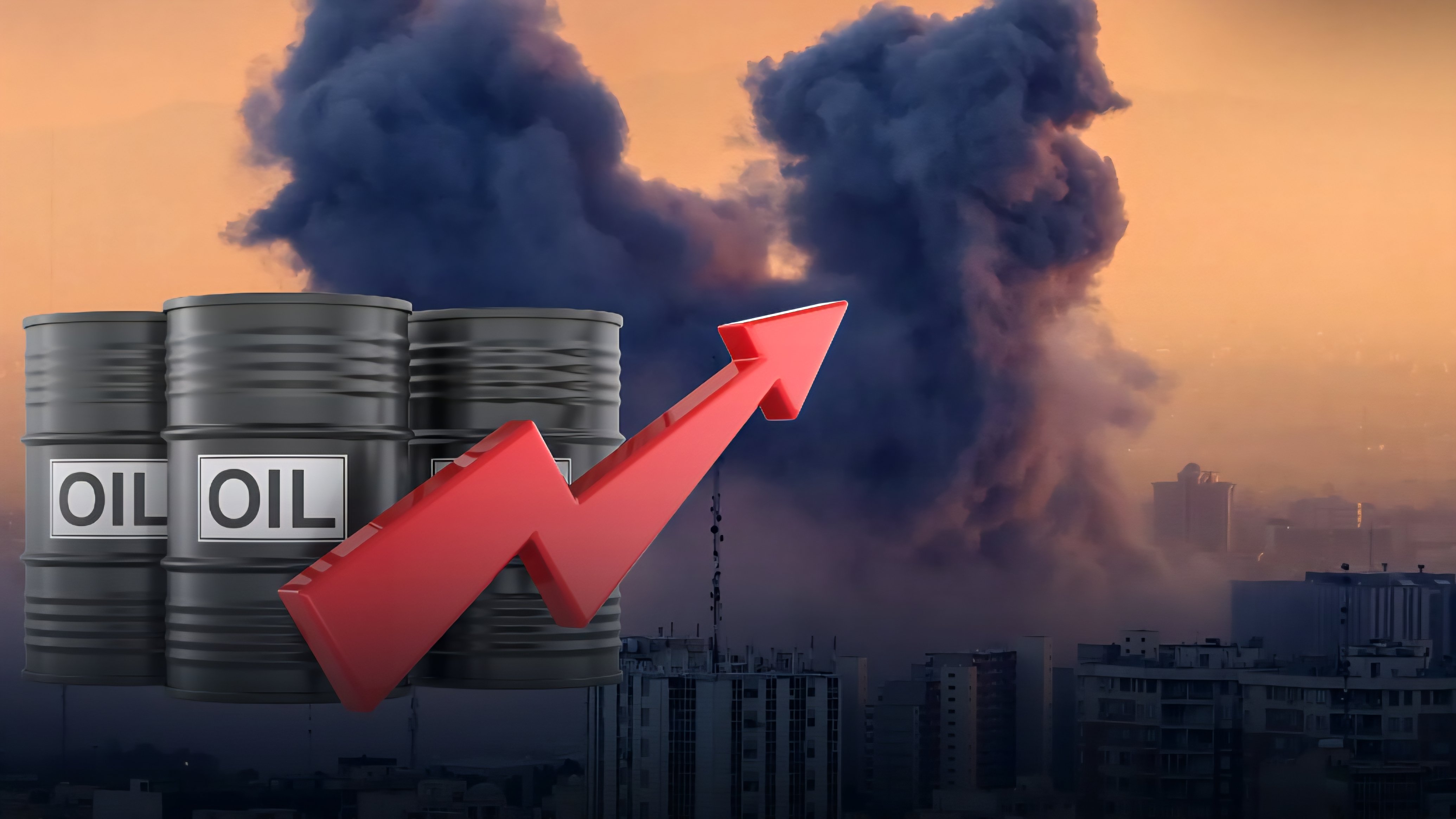

Global oil prices surged past $110 per barrel on Monday, marking the first time the commodity has hit this level in nearly four years. The price spike follows an escalation in the US-Israeli conflict with Iran, which has severely disrupted energy supplies and transit routes across the Middle East.
Brent crude futures rose by more than 16 percent to trade at approximately $111 by midday, while West Texas Intermediate followed a similar trajectory. Markets have reacted sharply to reports of strikes on oil depots and the effective closure of the Strait of Hormuz, a critical chokepoint where roughly 20 percent of the world's oil supply usually passes.
For the Kenyan construction sector, the jump to Sh14,200 per barrel presents an immediate threat to project budgets and equipment operation costs. Heavy machinery, which relies heavily on diesel, and the transport of bulk materials such as cement and steel, are sensitive to any upward movement in the energy market.
Industry analysts warn that while Kenya currently has fuel reserves expected to last through April, the international rally will likely be reflected in the next retail price reviews. If the conflict persists, the cost of refined petroleum products used in manufacturing and site logistics is expected to rise by May.
The timing is particularly difficult for local contractors. The Energy and Petroleum Regulatory Authority (EPRA) had lowered pump prices in the February to March cycle, with diesel retailing at Sh166.54 in Nairobi. A sustained global price of $110 per barrel could wipe out these gains and force a return to record highs.
Logistics firms have already indicated that a prolonged crisis may necessitate a revision of haulage rates. For major infrastructure projects, including the recently announced Kenya-Uganda SGR construction, rising energy costs could lead to requests for price variations from contractors facing higher input expenses.
The Strait of Hormuz remains the focal point of the crisis. Military operations, code-named Operation Epic Fury by the White House, have led to a near-halt of tanker traffic. This bottleneck is driving a speculative premium as traders hedge against the risk of long-term shortages in global supply.
Kenyan officials maintain that the country's fuel supply chain remains stable under existing government contracts. However, the National Treasury has previously noted that every $10 increase in the price of crude puts significant pressure on the purchasing power of the Kenyan Shilling and increases the cost of industrial growth.
As the conflict enters its second week, the G7 finance ministers are reportedly discussing the release of strategic oil reserves to calm the markets. Until such measures take effect, the construction industry in East Africa remains on high alert for a new wave of inflationary pressure on essential materials and transport.
Comments (0)
Leave a Comment
No comments yet. Be the first to share your thoughts!