
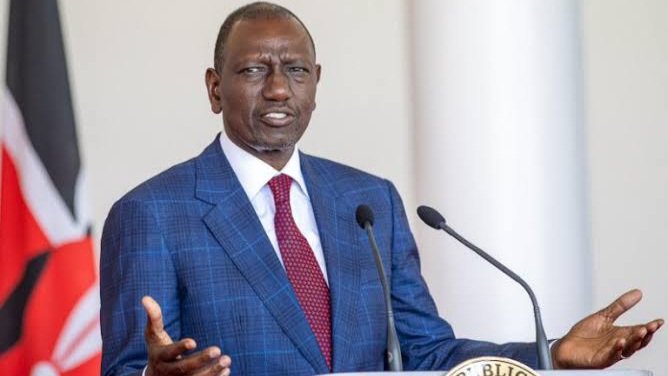

President William Ruto has confirmed that the government will bring the Road Maintenance Levy Fund securitisation bond to the market this year. The move follows the successful raising of Ksh175 billion through the fund, which has already been deployed to address the pending bills crisis that halted numerous infrastructure works.
The listing of the bond will allow for public trading, a step intended to broaden the financing base for the nation's road network. This financial strategy involves the sale of rights to future levy collections, specifically a portion of the Ksh25 per litre fuel levy, to an independent entity that raises upfront capital.
For years, the construction sector has struggled with billions in unpaid certificates, leading to the suspension of over 580 projects. By securitising the levy, the state has managed to unlock immediate liquidity, paying contractors and allowing heavy machinery to return to sites that had been silent for months.
Speaking on the development, the President noted that the fund has already enabled the government to tackle the backlog of verified arrears. The strategy effectively converts future tax revenue into current cash, bypassing traditional debt instruments that often weigh down the national balance sheet.
The Kenya Roads Board has been instrumental in this process, ensuring that the Ksh7 per litre portion of the levy is directed toward settling these liabilities. Verified payments have been flowing to contractors since the deal was structured, with several major corridors now seeing a resumption of activity.
The market listing is expected to provide a transparent mechanism for investors to participate in infrastructure development. It marks a shift in how Kenya manages its construction debt, moving away from short-term bank loans toward more structured capital market solutions.
Contractors have expressed relief as the settlement of bills eases financial pressure, allowing for the re-employment of staff and the servicing of equipment loans. The government maintains that this model does not constitute new public debt but is a structured sale of revenue rights to clear existing obligations.
As the bond moves toward the listing stage, the focus remains on ensuring the continued maintenance of the existing road network. The remaining portion of the levy continues to support the regular activities of the Kenya National Highways Authority and other road agencies.
This market entry arrives at a time when the infrastructure sector is seeking sustainable funding models to keep pace with national development goals. The successful trading of the bond would provide a blueprint for other revenue-generating agencies to address their own funding gaps.
Comments (0)
Leave a Comment
No comments yet. Be the first to share your thoughts!