
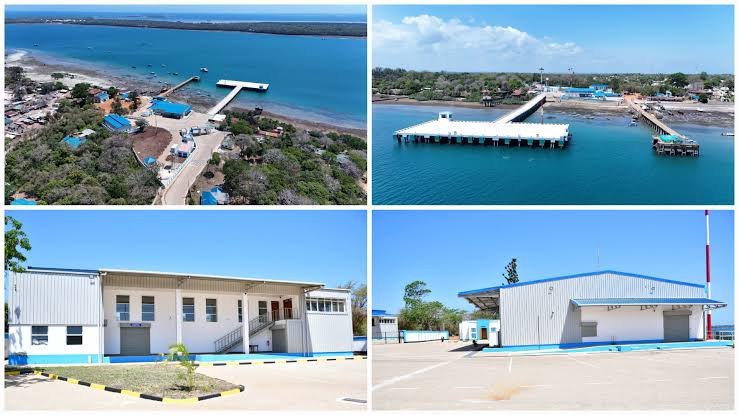

The Kenyan government has officially commenced the process of bringing private operators into the Shimoni Fish Port located in Kwale County. This transition is being executed under a Public-Private Partnership (PPP) model, which aims to leverage commercial expertise to run the facility while the state maintains full ownership of the land and the permanent infrastructure.
Located on the shores of the Indian Ocean, the Shimoni facility is the first dedicated fish port of its kind in the country. The move to privatise its operations follows a broader strategy to revitalise the blue economy, which has long been hampered by limited industrial-scale processing and storage facilities along the coast.
Under the agreed framework, the private sector will be responsible for the day-to-day management, maintenance, and commercialisation of the port. This includes overseeing the landing of catches, cold storage management, and the logistics of distributing fish products to both local and international markets.
By bringing in private partners, the government expects to bridge the funding and technical gaps that often hinder large-scale maritime projects. The partnership is structured to ensure that the risk of operation is shifted to the private entity, although the Kenya Ports Authority remains a central stakeholder in the project’s long-term oversight.
Construction at the site has focused on creating a modern jetty and high-capacity storage units. The project is designed to handle large fishing vessels that previously had no choice but to dock in neighboring countries, resulting in a loss of revenue and employment opportunities for the local Kwale community.
For the construction sector, this PPP model provides a blueprint for how future maritime assets might be managed. It signals a shift away from traditional state-run models toward more agile, investor-led operations. This approach is increasingly seen in major infrastructure across the continent, where governments provide the space and the initial capital works, but look to the private sector for sustainable service delivery.
Local stakeholders have kept a close eye on the development, particularly regarding how the transition will affect small-scale fishermen who have used the Shimoni waters for generations. The government has maintained that the industrialisation of the port will create a more structured market for these local players, even as the scale of operations increases under private management.
The successful implementation of this PPP at Shimoni is likely to influence similar decisions for other coastal facilities. With the government facing tight fiscal constraints, the reliance on private capital to operationalise multi-billion-shilling infrastructure is becoming a standard move in Kenya's development agenda.
As the private investors move in, the focus will shift to the performance metrics of the port. The efficiency of the new management will be measured by the volume of fish processed and the overall increase in maritime traffic at the Shimoni site, which remains a cornerstone of the national maritime strategy.
Comments (0)
Leave a Comment
No comments yet. Be the first to share your thoughts!