
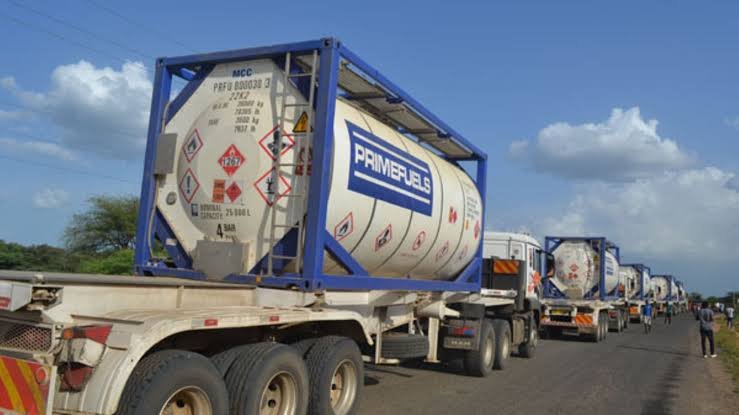

Kenya is staring at a potential energy crisis following reports that petroleum importers are holding just 21 days of buffer stock. The current reserves are under heavy pressure, as the country consumes an average of 100,000 barrels of fuel every single day, all of which is sourced from the international market.
Industry data suggests that the narrow margin of safety has already begun to impact the local distribution chain. Several major suppliers have reportedly started limiting sales to smaller retailers and independent outlets, a move intended to preserve their own inventory for longer periods.
The tightening of supply is being felt most acutely in the outskirts of the country. Reports from various rural regions indicate that fuel stations are running dry, forcing motorists and businesses to seek alternative sources or travel long distances to major towns where supply remains relatively stable.
This supply chain strain comes at a time when the logistics of fuel importation are under intense scrutiny. Without a domestic refinery, Kenya remains entirely dependent on the efficiency of the Port of Mombasa and the pipeline infrastructure managed by the Kenya Pipeline Company. Any delay in the docking of tankers or a breakdown in the distribution network could further deplete the remaining three-week supply.
Construction firms and heavy machinery operators, who rely heavily on diesel for site works, are beginning to monitor the situation closely. A sustained shortage would likely lead to delays in major infrastructure projects, as transport costs rise and machinery remains idle due to empty tanks.
Economic analysts warn that the 21-day window is a dangerously thin margin for a nation that powers its entire transport and manufacturing sectors on imported refined petroleum. If new shipments do not arrive and clear the port on schedule, the rationing currently seen at the wholesale level may soon transition into widespread pump closures in urban centers like Nairobi and Mombasa.
While the government has previously implemented measures to stabilize the sector through the petroleum pump price cycle, the physical availability of the product remains the primary concern for the immediate future. The reliance on a just-in-time delivery model for such a critical commodity leaves little room for error in the face of global supply chain volatility.
The situation is further complicated by the financial requirements of the import process. Oil marketing companies must secure significant credit lines to facilitate the entry of 100,000 barrels daily, and any friction in the banking sector or currency fluctuations can lead to a slowdown in the procurement cycle.
As it stands, the 21-day countdown puts the energy sector on high alert, with stakeholders calling for a more robust strategic reserve to prevent recurring threats of a total shutdown.
Comments (0)
Leave a Comment
No comments yet. Be the first to share your thoughts!