
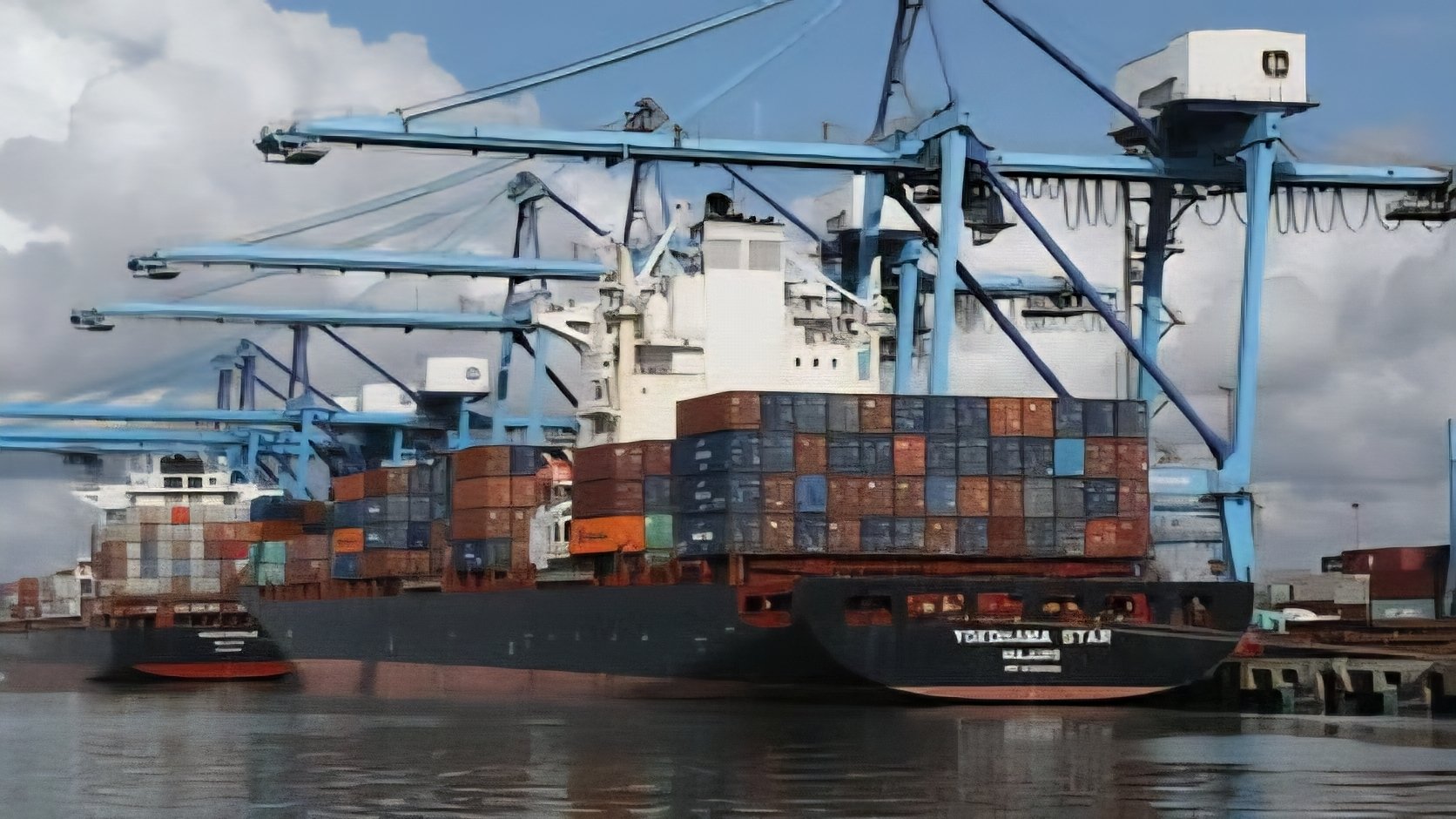

The Ministry of Trade and Industry is moving to address a looming supply chain crisis that has left more than 600 ships destined for or departing from Kenya stranded. These vessels are currently caught in a global maritime bottleneck triggered by escalating military tensions in the Middle East, specifically affecting the Strait of Hormuz and the Red Sea.
Trade Cabinet Secretary Lee Kinyanjui confirmed that the disruption is already impacting the flow of essential goods. Speaking on Tuesday, the CS noted that the situation points toward significant supply constraints within the next two to three weeks. If the impasse persists, it will likely drive up the cost of living for Kenyans.
The logistics deadlock has forced major global shipping lines to reroute vessels around the Cape of Good Hope. This detour adds approximately 10 to 14 days to standard transit times, significantly increasing fuel consumption and operational costs for carriers. To offset these expenses, shipping companies have introduced emergency war-risk surcharges and increased freight rates.
Kenya is particularly vulnerable to these disruptions due to its heavy reliance on imports from the Middle East. Essential commodities such as petroleum products, industrial chemicals, and fertilizers are among the most affected. For the construction sector, delays in specialized machinery and chemical inputs could lead to project timelines being pushed back and overall budget adjustments.
The Shippers Council of Eastern Africa has expressed concern over the timing of the crisis, noting that export sectors are equally under pressure. Perishable goods, including avocados and flowers, are at risk of spoilage due to the extended transit times. Traditionally, shipments from Mombasa reach European markets in 20 days, but the current rerouting has pushed that duration to over 40 days.
While the Energy and Petroleum Ministry has assured the public that current fuel stocks are sufficient to last through April, the long-term impact on pump prices remains a concern. Higher insurance premiums and freight costs are expected to be passed down to consumers, affecting the transport of construction materials and heavy equipment across the country.
Ministry officials are currently exploring diplomatic and logistical alternatives to mitigate the impact on the domestic economy. The government is also monitoring the situation at the Port of Mombasa, where the accumulation of delayed cargo could lead to further berth congestion and increased storage fees for importers.
Comments (0)
Leave a Comment
No comments yet. Be the first to share your thoughts!