
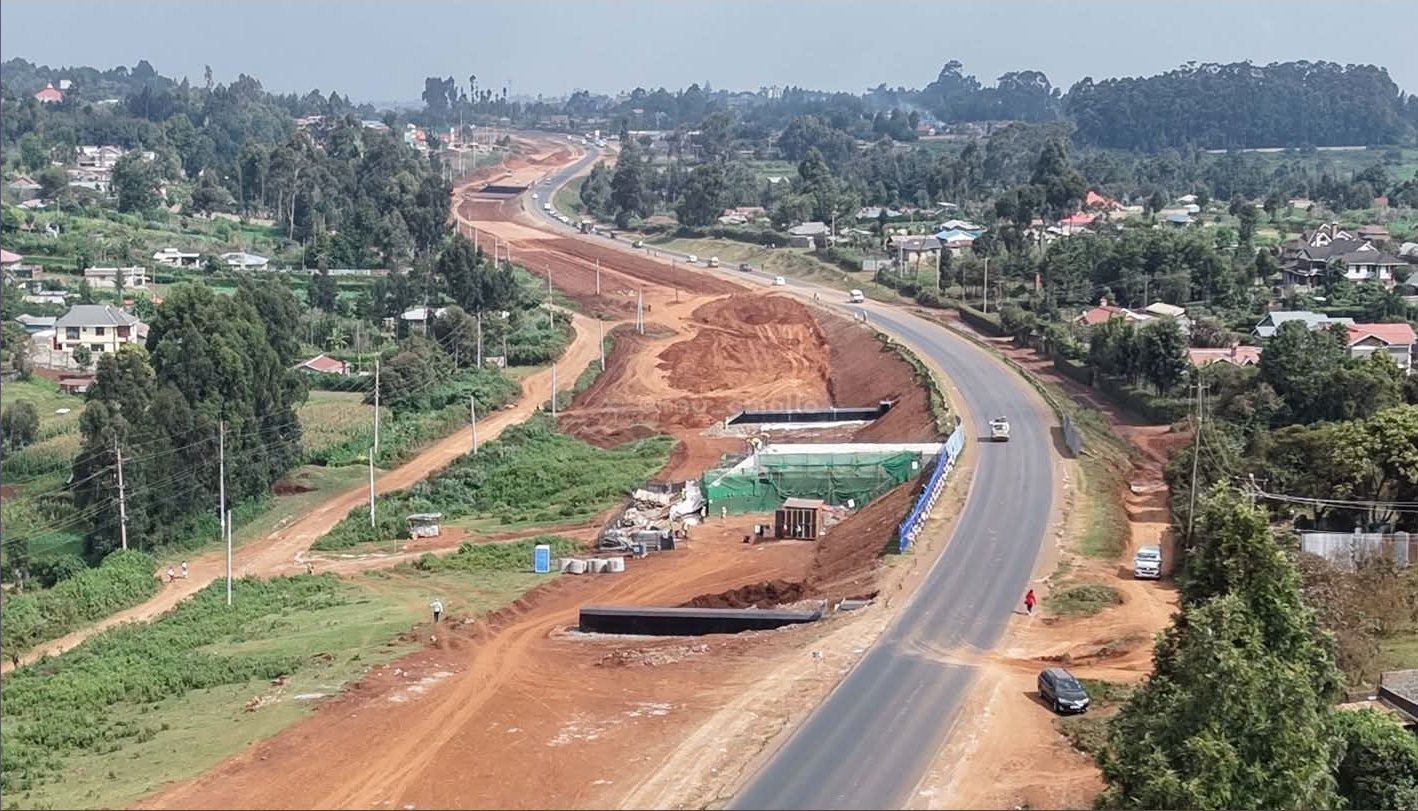

The National Treasury has confirmed a major restructuring of the Nairobi-Nakuru-Mau Summit Highway Public Private Partnership (PPP) project, eliminating the government's original commitment to pay approximately Sh23 billion annually to the project company.
In a press statement dated July 9, 2026, the Treasury said the original Project Agreement had been reassessed following macroeconomic shifts between 2020 and 2022. Sustained global inflation, depreciation of the Kenya Shilling, tighter fiscal space and rising public debt service obligations were cited as factors undermining the deal's original assumptions.
That reassessment found the original agreement no longer aligned with the fiscal objectives needed to support sustainable infrastructure financing. Officials examined the long-term financial obligations tied to the concession, how commercial risk was allocated, and whether the financing structure remained affordable under current conditions.
The findings were stark. Under the original agreement, government carried demand and revenue risk throughout the concession period, while facing a projected cumulative funding deficit of up to Sh200 billion during the first fifteen years alone.
Those findings prompted government to enter a structured commercial restructuring process with the project company, aimed at improving affordability. When that process failed to produce a workable commercial framework, the original Project Agreement was terminated.
During the same period, the Kenya National Highways Authority (KeNHA) received an unsolicited proposal built around a revised commercial framework. That proposal went through the statutory processes required under the Public Private Partnerships Act, culminating in new Project Agreements signed in May and June 2026.
The shift in commercial model is substantial. The original deal was structured as an availability payment PPP, guaranteeing the project company roughly Sh23 billion a year regardless of actual road usage, subject to inflation and foreign exchange indexation.
The new agreements instead adopt a user-pay toll PPP model. Under this structure, annual government availability payments drop to zero, while demand and revenue risk shifts from government to the private sector entirely.
The financial comparison between the two frameworks is significant. The terminated concession carried a comparable investment cost of USD1.93 billion (Sh249.7 billion) at June 2026 prices, against USD1.342 billion (Sh173.5 billion) under the current agreements, a reduction of USD588 million (Sh76.2 billion).
Government has also secured a revenue-sharing mechanism absent from the original deal. Under the new framework, government receives 60 percent of project revenues once returns exceed an agreed 16 percent equity internal rate of return (IRR) threshold, a measure of the annualised return an investor earns on their capital.
The Treasury described the restructured agreements as strengthening the government's broader infrastructure financing policy, citing reduced long-term fiscal exposure and preserved fiscal space for other national development priorities.
Lessons from the terminated concession, according to the statement, will continue to inform how government appraises future strategic infrastructure investments, with an emphasis on financing structures that uphold fiscal sustainability while mobilising private capital.
Comments (0)
Leave a Comment
No comments yet. Be the first to share your thoughts!