
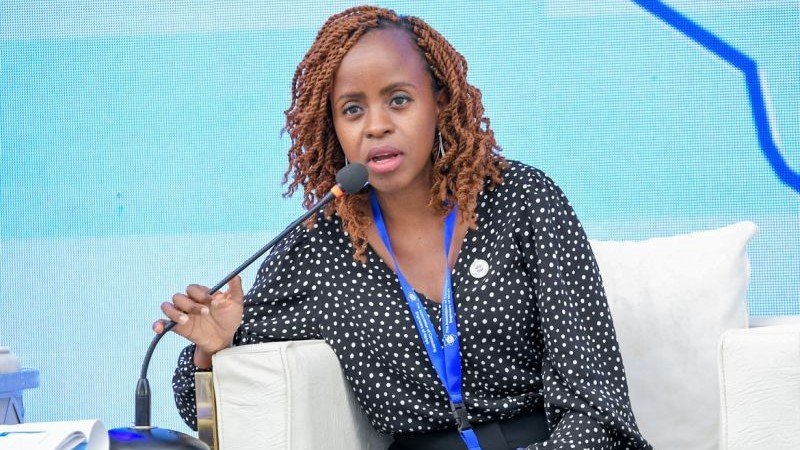

The National Treasury has taken a definitive step toward operationalizing Kenya's most ambitious infrastructure financing vehicle. This follows the formal appointment of the six-member National Infrastructure Fund Board.
National Treasury Cabinet Secretary John Mbadi appointed the team for a three-year term. He exercised powers conferred by Section 13(1) of the National Infrastructure Fund Act, 2026, through a Special Gazette Notice dated July 8, 2026.
The board is legally mandated to provide strategic oversight. They will approve multi-trillion-shilling investment directions. Furthermore, they must identify commercially sustainable avenues to finance the country's massive development pipeline over the next decade.
The gazetted lineup marks a deliberate shift toward blending aggressive private-sector capital mobilization strategies. It also incorporates robust engineering contract governance and sovereign compliance.
Here is an in-depth breakdown of the six elite professionals tasked with managing Kenya's Sh5 trillion infrastructure transformation wagon.
1. James Mworia Mwirigi (Independent Director)
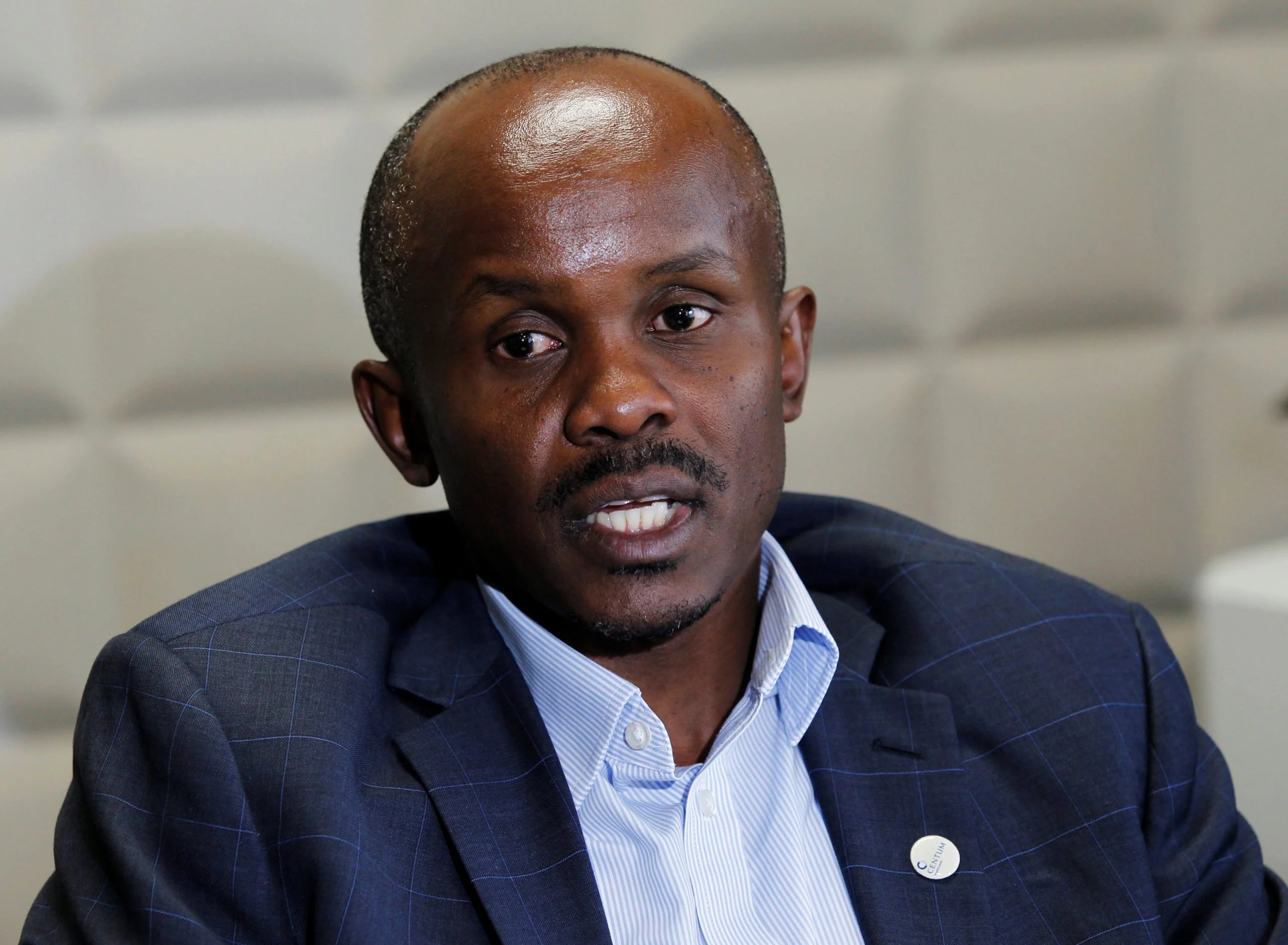
Photo: The Africa Report
James Mworia brings a deep corporate and private equity profile to the board. He is the long-serving Chief Executive Officer of Centum Investment Company Plc.
He is a multidisciplinary expert with a background spanning corporate law, accounting, and investment management. Mworia has spearheaded some of East Africa's largest private-sector real estate and infrastructure rollouts.
His extensive corporate finance acumen will be vital in structuring complex Public-Private Partnerships. This experience will help draw in long-term institutional and international capital for national development.
2. Eng. Latoya Ouna (Independent Director)
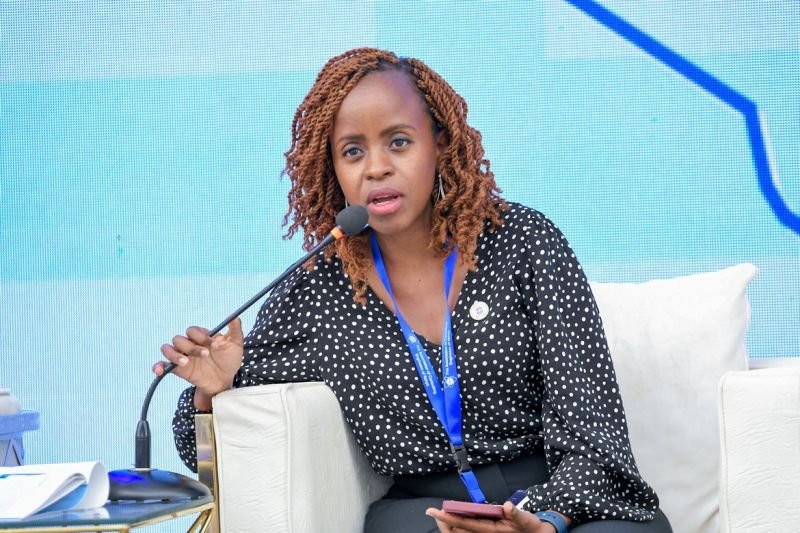
Photo: Ouna/LinkedIn
Eng. Latoya Ouna joins the board as a crucial technical and contractual anchor. She is a highly distinguished professional within the built environment.
She is a consulting Civil and Structural Engineer registered with the Engineers Board of Kenya. She is also a Corporate Member of the Institution of Engineers of Kenya.
Ouna specializes in infrastructure procurement, contract management, and alternative dispute resolution. She holds an MSc in Construction Law and Dispute Resolution from the University of Central Lancashire.
She is a member of the FIDIC Future Leaders Advisory Council. She heavily champions climate-resilient construction frameworks to safeguard the technical risk-allocation profiles of mega-projects.
3. Fahima Ali Ahmed Zein (Independent Director)
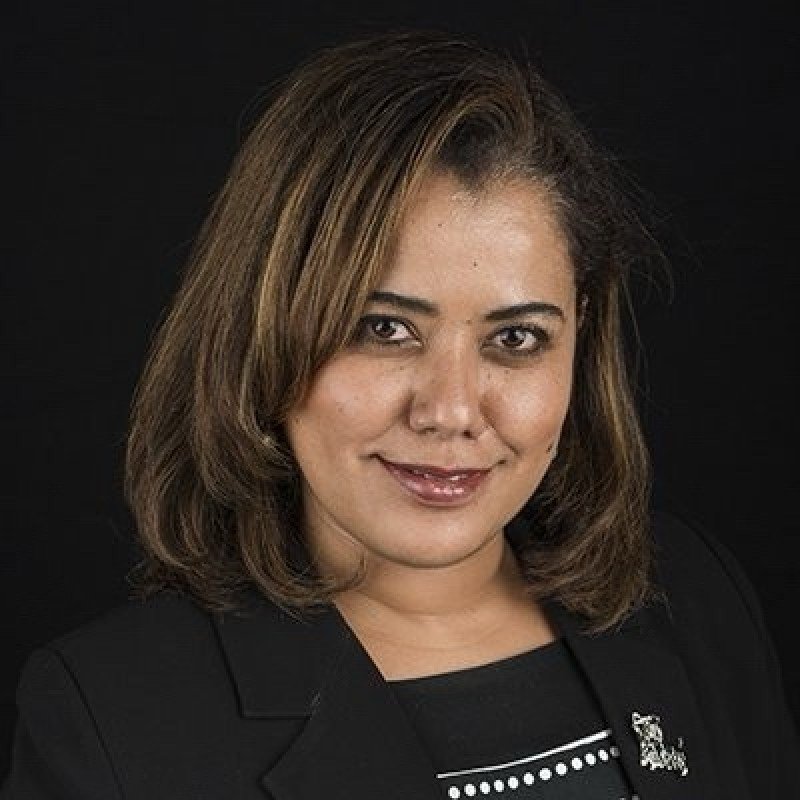
Photo: Fahima/LinkedIn
Fahima Zein brings over 30 years of elite experience in private equity, corporate governance, and investment banking. She offers a seasoned eye for institutional asset management.
Zein has served as a non-executive director across multiple prominent corporate boards. Her appointment equips the board with rigorous oversight capacity regarding commercial viability and risk mitigation.
4. Christopher Kibui Maranga (Independent Director)

Photo: BoardlotAfrica/Substack
Christopher Kibui Maranga is the Africa Director at Acumen, a world-renowned impact investment organization. Maranga boasts more than 25 years of experience in building, structuring, and financing early-stage ventures.
His deep exposure to alternative capital structures and sustainable financing models positions him perfectly. He will help move Kenya away from traditional public debt structures toward high-impact asset development.
5. Lawrence Kibet (Public Officer Portfolio Expert)
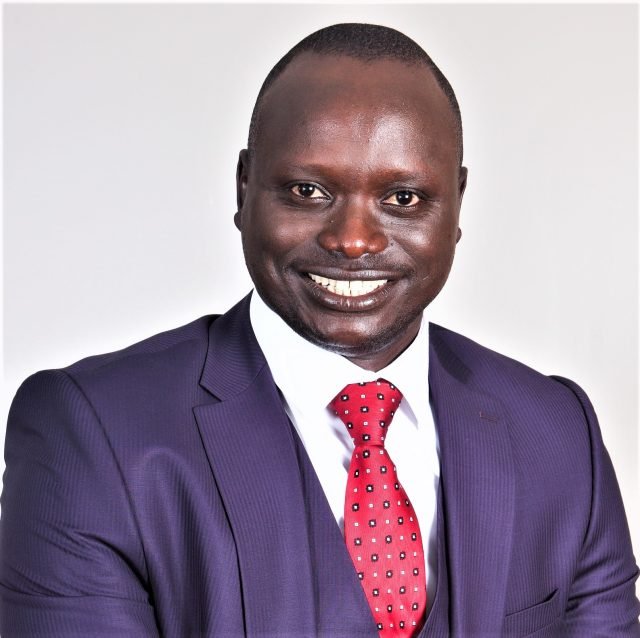
Photo: The National Treasury
Lawrence Kibet provides a direct administrative link to the country's fiscal nerve center. He is a public officer selected for specific institutional expertise.
Kibet currently serves as the Director General for Public Investments and Portfolio Management at the National Treasury. His understanding of state asset management ensures alignment with state fiscal strategies.
6. Mohammed Abdirahman Hassan (Public Officer Portfolio Expert)
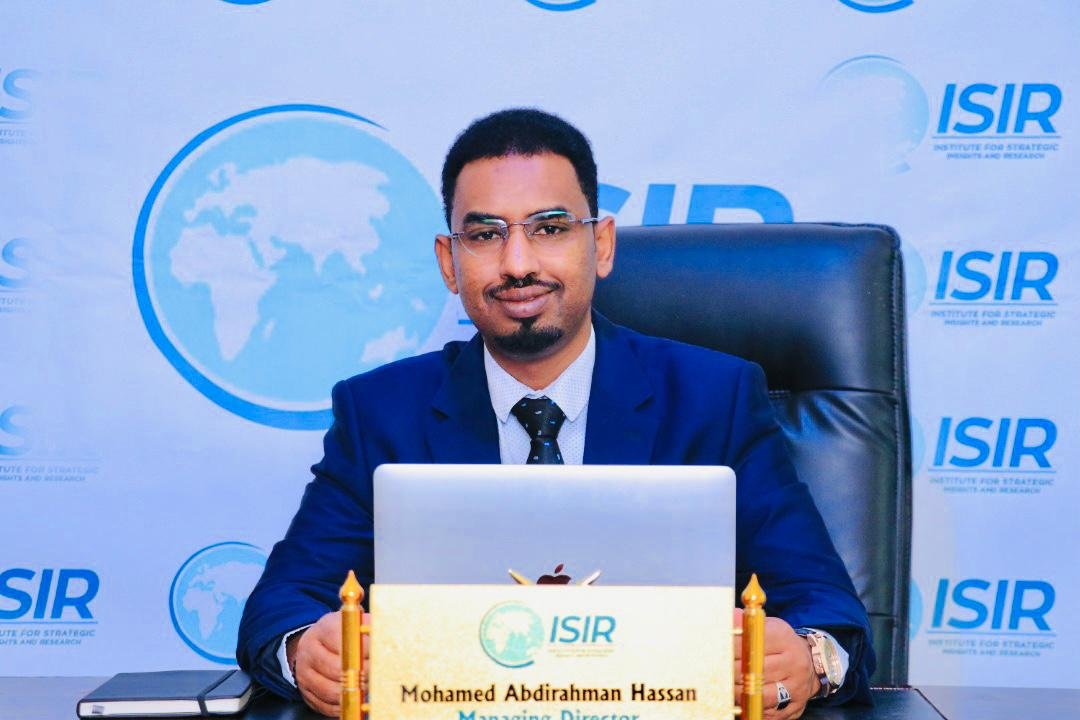
Photo: OTT School
Mohammed Abdirahman Hassan completes the public-sector and institutional governance lineup. He is a seasoned financial veteran and former Chairman of the National Bank of Kenya.
Hassan brings extensive market experience and institutional corporate governance history to the table. His background in banking offers the board critical insight into the mechanics of local financial markets.
The Task Ahead
The NIF Board arrives at a critical juncture as the state shifts from debt-dependent development to an investment-led model. The fund has already secured an initial capital base.
This capital includes a Ksh103.45 billion injection derived from selling a 65 percent stake in the Kenya Pipeline Company. Additional funding will follow from other strategic state asset divestitures such as the recently completed sale of Safaricom shares.
The six board members will work alongside the NIF Governing Council. This council is chaired by CS John Mbadi and features Central Bank of Kenya Governor Kamau Thugge.
Primary mega-projects immediately awaiting the board's structural and financial intervention include the modernization of Jomo Kenyatta International Airport (JKIA). They will also look at the Standard Gauge Railway (SGR) expansion to Malaba, where works have already started.
The team will also handle the development of 10,000 megawatts of clean energy capacity, and oversee the dualing of approximately 2,500 kilometers of high-traffic transit corridors.
The board's first major internal assignment will be the recruitment of a substantive Chief Executive Officer. This official will handle daily executive operations for the multi-trillion fund.
Mjengo Hub wishes them all the best.
Comments (0)
Leave a Comment
No comments yet. Be the first to share your thoughts!