

Every new AI data centre announcement tends to come with a headline jobs figure, but the gap between what gets promised and what a facility actually employs once running has become one of the most disputed claims in the industry. The construction phase and the operational phase tell very different stories.
Construction is where most of the temporary employment sits. Associated Builders and Contractors projected nearly half a million construction workers would be needed for data centre projects in 2025 alone, work that typically lasts three years to a decade depending on a project's size, according to CBRE's Global Data Center Solutions unit.
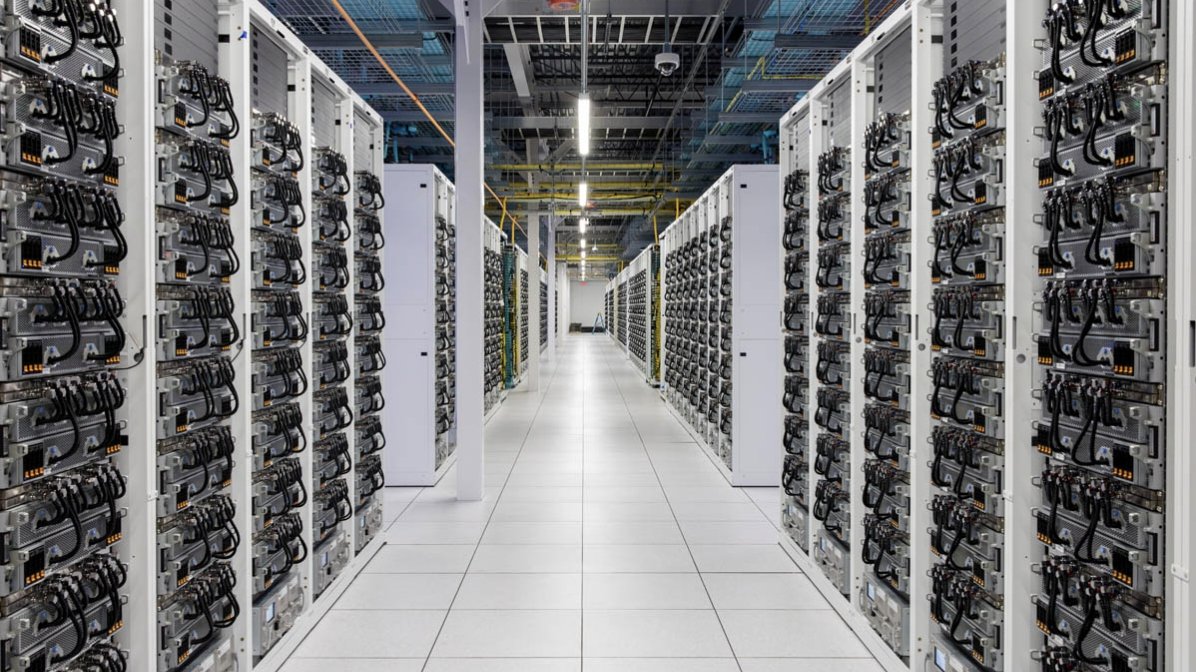
Once a facility opens, staffing drops sharply. John Dinsdale, chief analyst at Synergy Research Group, said a large hyperscale facility typically needs only 50 to 150 workers to run, since automation and software handle much of the day-to-day operation rather than people.
Research from Brookings backs up that pattern while adding nuance. Counties that receive their first large data centre see total private employment rise by 4 to 5 percent over five to six years, evidence that the facilities do generate real local economic activity beyond their own payrolls.
Even so, Brookings researchers note that data centres remain among the least labour-intensive structures in the economy, with large projects often promising only dozens to a few hundred permanent workers while the bulk of associated jobs are temporary construction roles that end once the building is finished.
Disputes over jobs figures have already surfaced publicly. In Northumberland, England, a Labour MP questioned government claims that a proposed AI data centre would create around 4,000 jobs, after House of Commons library figures suggested large data centres typically employ about 1,600 people during construction but only roughly 150 once operational.
Officials in that case had cited 1,200 construction jobs and 400 direct operational roles, with the remaining figure attributed to an estimated 2,700 indirect jobs whose nature and location were not detailed, illustrating how headline numbers often blend direct, indirect and construction-phase employment into a single figure.
Labour economist Ben Zweig of workforce intelligence firm Revelio Labs described the direct job gains from data centre construction as pretty sparsely populated once building activity winds down, even as blue-collar hiring booms in the short term.
The pattern is not universal. Some newer facilities, particularly those built for AI training rather than standard cloud computing, have projected higher operational headcounts, with one Alberta-based developer estimating 200 to 300 permanent roles per site across multiple planned campuses.
For communities weighing whether to welcome a data centre, the clearest lesson from the research is that job creation depends heavily on facility type, location and how a project's promoters define a job in the first place, making it worth asking whether a headline figure reflects permanent operational roles or a blend that includes temporary construction and loosely defined indirect employment.
Comments (0)
Leave a Comment
No comments yet. Be the first to share your thoughts!