

A version of this article appeared on The Kenyan Wall Street.
Walk through any major Nairobi suburb and the signs are already there. The large regional mall that anchored commercial real estate investment for a decade is being overtaken by something smaller, more targeted and considerably less glamorous.
According to the Africa Report 2026/27 by Knight Frank, Kenya's real estate sector is entering what the firm describes as a more selective, performance-driven cycle. The era of speculative mega mall development is ending. What is replacing it is a mix of neighbourhood retail, logistics infrastructure, data centres and flexible office space, each driven by specific demand rather than the build-it-and-they-will-come logic that characterised the previous decade.
At the centre of the shift is the collapse of the large shopping mall as a default real estate bet. Developers are now focusing on smaller neighbourhood retail centres anchored by supermarkets, pharmacies, food outlets and essential services. The driver is consumer behaviour. E-commerce, convenience shopping and last-mile delivery have permanently changed how Kenyans buy, and the retail formats being built reflect that reality. A mall designed around discretionary leisure spending is a harder proposition in a market where fuel prices are high, household incomes are under pressure and online delivery is faster and cheaper than a parking lot.
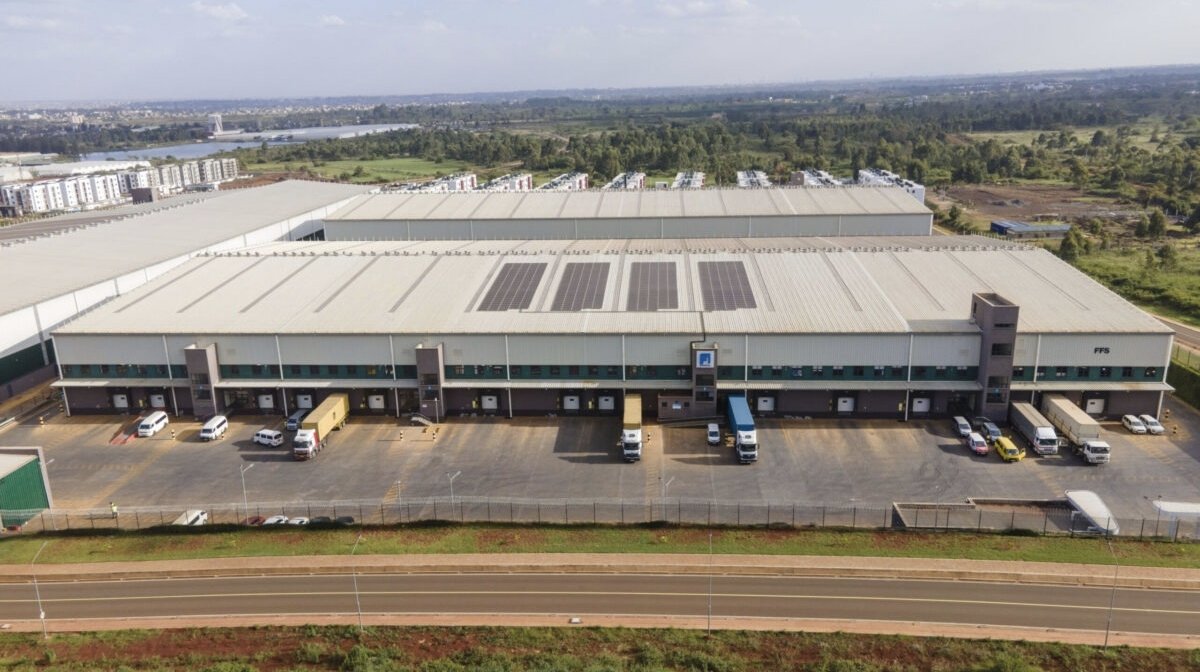
The replacement is not purely retail. Knight Frank identifies logistics parks, distribution centres and specialised industrial facilities as the fastest-growing segment of Kenya's commercial real estate pipeline. Regional trade integration, urbanisation and the expansion of manufacturing within Special Economic Zones (SEZs) are driving demand for modern warehousing. Prime serviced industrial land within strategic logistics corridors is becoming increasingly scarce as investor appetite intensifies. Kenya is positioning itself as East Africa's logistics gateway, and the real estate market is responding to that positioning with its capital.
Data centres are the other significant story. Knight Frank estimates that Africa's data centre demand could increase between three and five times by 2030, requiring between USD 10 billion and USD 20 billion in fresh investment. Kenya is one of the continent's key target markets, supported by multiple subsea cable landings in Mombasa, a strong technology ecosystem in Nairobi, policy support through SEZs, and increasing demand from cloud computing, fintech and artificial intelligence companies. Double-digit growth in Kenya's installed data centre capacity is forecast through 2030.
The office market is also being reshaped. Prime office occupancy in Nairobi has risen to approximately 80 percent this year, while rents for premium space have stabilised at roughly USD 13 per square metre per month. Older office developments are struggling with elevated vacancy levels. When nearly 2.5 million square feet of additional office supply arrives between 2027 and 2028, the pressure on ageing stock will intensify further, triggering refurbishments, mixed-use conversions and repurposing of obsolete buildings.
At the upper end of the residential market, prime sales prices rose 6.17 percent in the year to December 2025 and prime rental prices increased 4.05 percent. Diaspora investment, expatriate demand and wealthy buyers seeking integrated gated communities are sustaining that segment. Developers are increasingly pivoting toward master-planned mixed-use communities that combine housing, retail, schools and lifestyle amenities within SEZ-linked zones.
For Kenya's construction industry, the direction is clear. The next decade of commercial building work will look less like a retail atrium and more like a warehouse, a server room or a flexible office floor. Whether the industry's procurement, design and delivery capacity is ready to serve that shift at scale is a question worth asking now rather than after the pipeline fills up.
Comments (0)
Leave a Comment
No comments yet. Be the first to share your thoughts!