

The ongoing construction of the Ngong Road-Naivasha Road viaduct represents a significant engineering effort to de-bottleneck one of Nairobi’s most congested intersections. While the KSh 3.58 billion project is designed to separate express commuters from local traffic near Junction Mall, long-term urban planning suggests that road expansion alone cannot keep pace with induced demand.
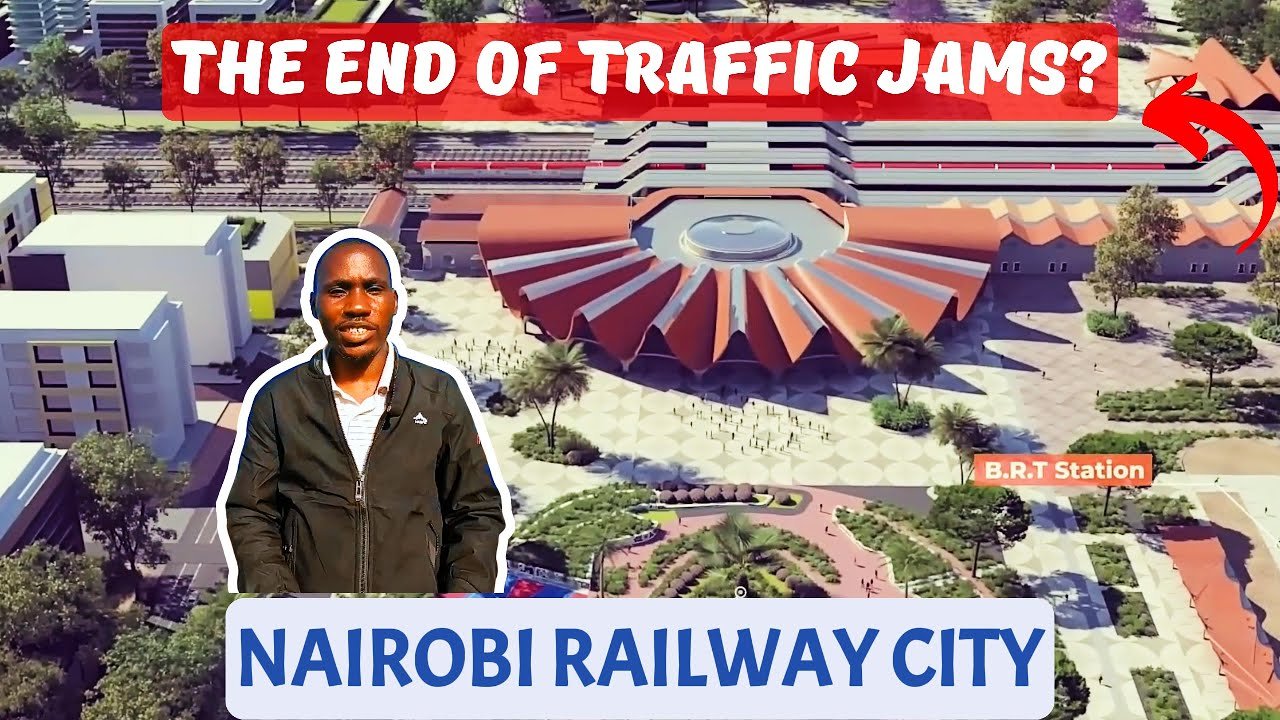
As the city evolves, the necessity for a gazetted Mass Rapid Transit (MRT) network has become central to the conversation regarding sustainable urban mobility. The current corridor is already part of this planned network, with the Nairobi-Ngong commuter rail service nearing full operation. Experts indicate that high-capacity light rail systems offer a more efficient alternative to private vehicles by moving tens of thousands of people per hour on segregated, scheduled tracks.
The immediate focus remains on the completion of the viaduct, which uses steel girders to navigate complex curves and reduce the dead load on its foundations. This project is being accelerated to support the 60,000-seater Talanta Stadium, recently renamed the Raila Odinga International Stadium, which is located less than a kilometer away. The stadium is expected to be ready by early 2026, serving as a primary venue for the AFCON 2027 tournament.
Engineers are currently pushing for an early handover of the viaduct in 2026, well ahead of the official July 2027 completion target. This timeline is critical for managing the massive crowds expected during international match days. However, the ultimate objective for the city remains a transition where rail does the heavy lifting, reducing the reliance on individual volumes of vehicles to move the population.
Comments (0)
Leave a Comment
No comments yet. Be the first to share your thoughts!