
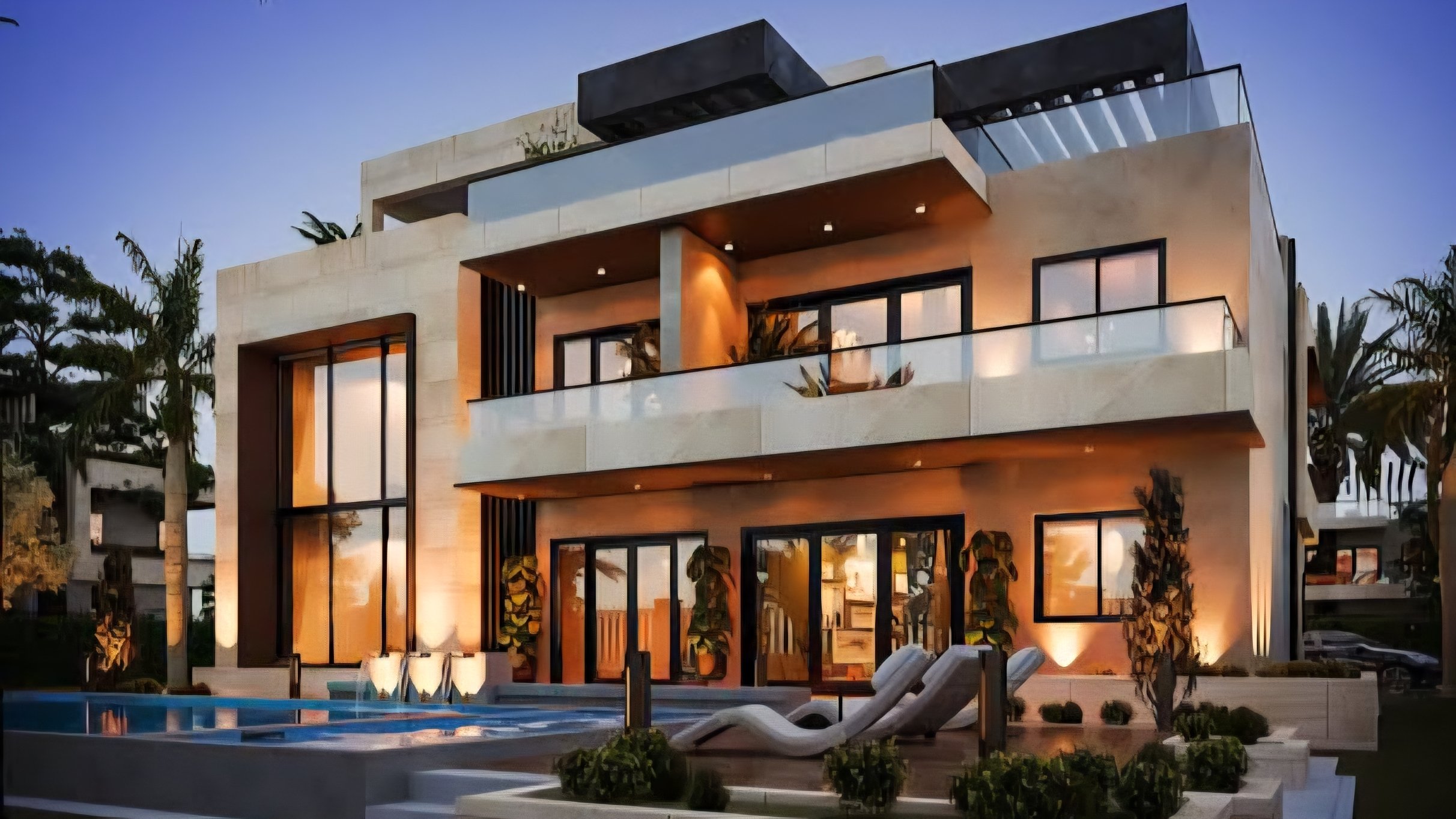

The landscape of the Kenyan housing market is undergoing a rapid transition as the 2026 calendar year begins, with a distinct preference emerging for integrated living environments over traditional standalone residences. According to the latest market data from Knight Frank Kenya, the sector is currently defined by a concentration of capital into specialized, large-scale hubs. This shift is most visible in the Sh65 billion that flowed into master-planned projects throughout 2025, even as broader residential building approvals in Nairobi faced a sharp contraction.
Data from the Nairobi City County indicates that the value of approved residential plans fell by approximately 27 percent during the previous cycle. This decline in general approvals highlights a market that is increasingly selective, focusing on consolidation rather than speculative expansion. The divergence in the market shows that while small-scale or uncoordinated developments are struggling to navigate the current funding and approval environment, integrated developments that offer pre-planned infrastructure are thriving.
The concept of the 2026 dream home is now largely defined by its presence within these master-planned communities. Buyers are increasingly favoring apartments and large-scale projects that integrate residential, commercial, and social amenities. This trend is driven by a desire for better-managed environments and high-quality Grade A spaces. In the luxury segment, demand remains resilient, particularly from high-net-worth individuals and diaspora buyers who are seeking high-quality residences that align with international standards.
Macroeconomic stabilization in late 2025, characterized by a steadier shilling and lower interest rates, has provided a firmer foundation for this strategic positioning. However, the market is also reacting to the upcoming 2027 general elections. Historically, periods leading up to elections in Kenya are associated with subdued private investment as developers wait for political certainty. Consequently, the current phase of the construction cycle is focused on the absorption of existing stock and the completion of ongoing projects rather than a rush of new launches.
Infrastructure investment continues to be the primary catalyst for growth in these emerging residential hubs. With government spending on infrastructure reaching over KSh 217 billion in the recent period, accessibility has improved for satellite towns and metropolitan corridors. This connectivity has made integrated developments in areas like Tatu City and other mixed-use zones more attractive to the growing middle class. These locations provide the "live-work-play" lifestyle that has become a priority for modern professionals.
Knight Frank Kenya Chief Executive Officer, Mark Dunford, noted that 2026 will be characterized by disciplined execution. Developers are now responding to past oversupply issues by limiting new projects to formats with clear, proven demand fundamentals. As the market moves forward, the focus is clearly on quality and sustainability. Projects that offer modern amenities such as green building features, reliable water harvesting, and solar power are reporting stronger demand from the millennial demographic and expatriate community.
The commercial and retail sectors are also showing signs of recovery, with prime office occupancy in Nairobi climbing above 81 percent by the end of 2025. This "flight to quality" mirrors the residential sector, where tenants and buyers are moving away from older, secondary stock. In the 2026 market, the winners are those who align their projects with the infrastructure-led growth of integrated communities, leaving the era of the isolated standalone house behind in favor of a more connected urban experience.
Comments (0)
Leave a Comment
No comments yet. Be the first to share your thoughts!