

A version of this article appeared on LinkedIn by Dr Apollo Buregyeya.
Infrastructure longevity requires more than initial construction excellence. While the public often focuses on the iconic nature of large-scale projects, the functional life of a bridge depends heavily on the maintenance of unseen technical systems.
Dr. Apollo Buregyy, a civil engineer, highlights that structural integrity is not a static state. Concrete and steel remain subject to the laws of physics, requiring constant engineering attention to ensure ongoing safety.
A primary challenge involves managing thermal effects on structural elements. As daily temperatures fluctuate, stay cables on bridges expand and contract. Engineers must ensure these movements remain strictly within the design parameters to prevent structural degradation.
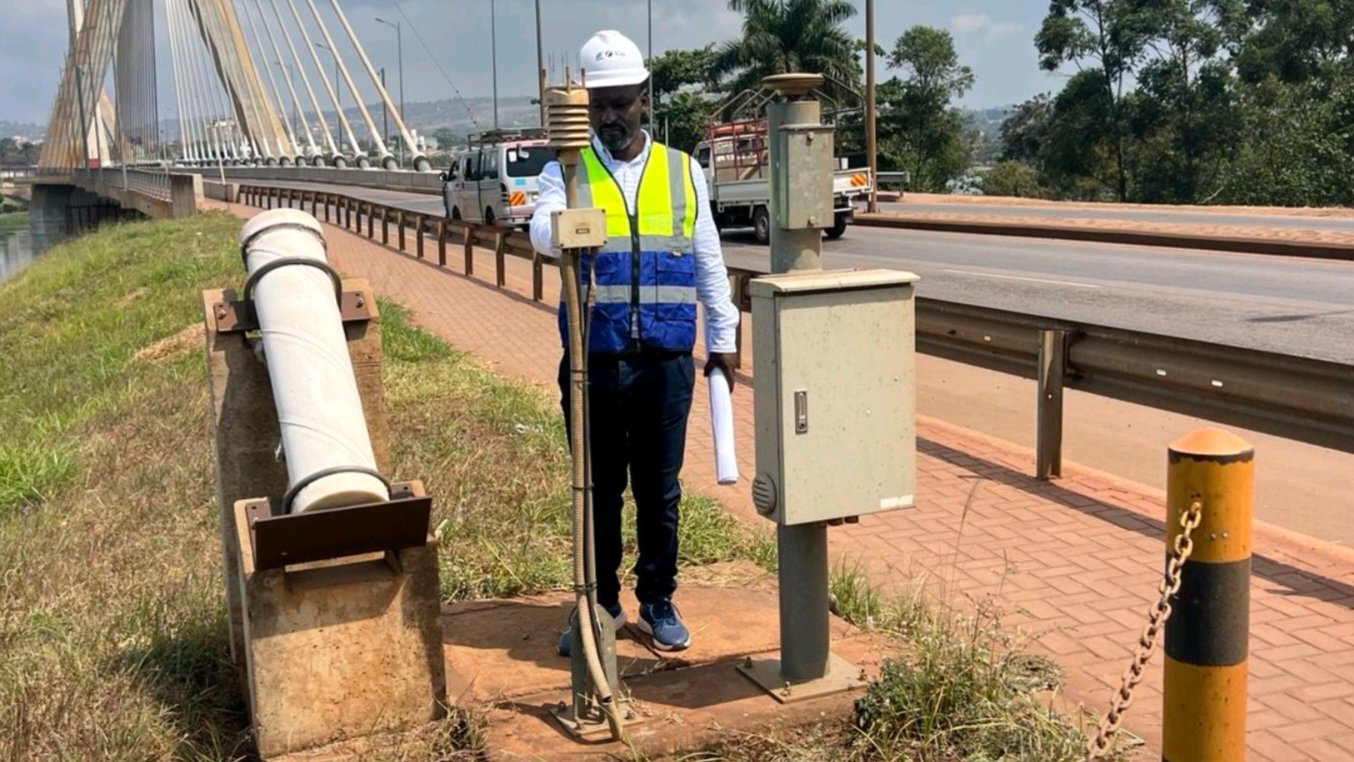
To manage this, engineers employ sophisticated monitoring technology. These systems include weather stations, Global Positioning System (GPS) receivers, and load cells that collect data continuously.
Dummy cables are also utilized to provide comparative data. These components experience the same thermal conditions as the active stay cables, allowing the automated system to monitor and adjust for temperature-induced stress.
Data from these components informs the automated monitoring and tension-control system. This integration allows the bridge to compensate for environmental changes in real-time, maintaining stability.
This approach differentiates how various nations manage their assets. While some regions prioritize the inauguration and visual impact of projects, others dedicate equal focus to robust systems for preservation.
Infrastructure success is ultimately measured by the discipline applied to its maintenance. Without active monitoring, the silent forces of nature can compromise even the most well-designed structures over time.
Effective stewardship requires shifting the focus from initial project completion to long-term operational health. By integrating automated sensors and tension-control mechanisms, engineers can extend the service life of major transport assets.
This technical necessity underscores the importance of ongoing investment in infrastructure management. Maintenance regimes must reflect the complexity of modern engineering if these structures are to support future generations as intended.
Professional monitoring provides the data needed for evidence-based decision-making. When engineers understand how a bridge behaves under specific conditions, they can prioritize interventions before issues escalate.
This disciplined approach ensures that critical transport links remain safe for public use. It emphasizes that engineering responsibility does not end when the construction phase concludes.
Comments (0)
Leave a Comment
No comments yet. Be the first to share your thoughts!